
For a long time, expensive tuition has been treated as a safety net. Parents believe higher fees mean better outcomes. Students believe daily classes mean they are “doing enough.”
In reality, many students attending tuition in 2026 are working hard but improving slowly.
They attend classes, complete assignments, and still:
- make the same mistakes in tests
- struggle with accuracy
- feel unsure despite months of preparation
At the same time, AI-powered self-study systems are becoming common. These systems don’t teach for hours. They focus on practice, feedback, and correction.
This creates a real question — not an emotional one:
Is expensive tuition still worth the time and cost, or has the learning equation changed?
This blog answers that honestly. It is not anti-tuition. It is not pro-AI. It is about what actually improves results in 2026.
How Learning Has Quietly Changed by 2026
Tuition Has Not Changed Much
Most expensive tuition setups still work the same way they did years ago:
- Long classroom hours
- Fixed pace for everyone
- Large batches
- Tests followed by brief reviews
This model assumes that:
More teaching automatically leads to better performance.
That assumption is no longer true for most students.
What Has Changed for Students
Today, students are not short of explanations. They are short of feedback.
Most students already know:
- what the chapter is about
- which formula applies
- how a solution looks
What they don’t know is:
- why they lose marks repeatedly
- which mistakes are killing their scores
- whether the problem is understanding or execution
This is where learning has shifted — from content consumption to error correction.
When Expensive Tuition Still Makes Sense
Let’s be clear. Expensive tuition is not useless.
It still helps when:
- a student is at an early stage and feels lost
- basic concepts are genuinely weak
- discipline is impossible without supervision
- batch size is small and feedback is real
For beginners, structure matters.
But once a student has covered the basics, tuition often turns into a comfort zone rather than a growth zone.
Where Expensive Tuition Stops Adding Value

This is uncomfortable, but important.
For students who already know the syllabus at least once, expensive tuition usually fails in one key area:
It does not fix mistakes.
Common patterns seen repeatedly:
- Students attend class, but practice very little independently
- Tests are given, but mistakes are not tracked properly
- The same errors appear again after weeks
Many students sit in class thinking:
- “I understand this.”
But understanding does not guarantee correct answers under pressure.
Results improve only when:
- mistakes are identified
- patterns are noticed
- corrections are repeated until they stick
Classrooms are not designed for this level of personalization.
What AI-Powered Self-Study Actually Changes

AI-powered self-study is often misunderstood.
It is not about replacing teachers.
It is about replacing guesswork.
In practice, these systems:
- show where accuracy drops consistently
- separate careless errors from conceptual gaps
- track time spent on questions
- push students back to weak areas repeatedly
Earlier, this required a very involved teacher or manual effort. Most students never did it properly.
Now, feedback is immediate and specific.
That changes behavior.
Why Practice + Feedback Beats More Teaching
This is a hard truth many students realize late:
Listening more does not fix execution errors.
High-performing students improve because:
- they practice daily
- they review mistakes honestly
- they reduce errors systematically
AI-based systems suit this reality because they:
- force attention on weak areas
- prevent overconfidence
- reduce emotional decision-making
Learning becomes less about “feeling prepared” and more about measurable improvement.
A Common Mistake Students Make When Leaving Tuition
Many students leave tuition and then fail for a different reason.
They assume:
“Now I’ll study freely.”
What actually happens:
- no fixed routine
- too many resources
- irregular practice
- zero tracking
Self-study without structure is worse than average tuition.
The advantage of AI-based self-study appears only when discipline is non-negotiable.
A Daily Study Structure That Actually Works in 2026

Most improving students follow a simple rule.
Time Split That Delivers Results
- 40% practice
- 30% mistake analysis
- 20% revision
- 10% concept fixing
For a 5-hour study day:
- 2 hours solving questions
- 1.5 hours reviewing errors
- 1 hour revising notes
- 30 minutes fixing weak areas
Notice what dominates: analysis, not content
Why Analysis Matters More Than Solving More Questions
Students often say:
“I solved 100 questions today.”
But can’t explain:
- which mistakes were repeated
- which errors were careless
- what must be avoided next time
But can’t explain:
- which mistakes were repeated
- which errors were careless
- what must be avoided next time
Progress happens when:
- mistakes become fewer
- accuracy improves
- confidence stabilizes
AI tools help highlight patterns, but improvement happens only when students act on them.
7-Day vs 30-Day Reality Check
Unstructured Learning
After 7 days
- random topics
- multiple sources
- no tracking
After 30 days
- syllabus feels heavy
- accuracy unchanged
- confidence unstable
Structured Practice-First Learning
After 7 days
- fixed topics
- daily practice + review
- weak areas revisited
After 30 days
- mistakes reduce
- scores stabilize
- clarity improves
The difference is not effort.
It is how feedback is used.
Which Students Gain the Most from AI-Based Self-Study
The Passive Attender
Attends everything, practices little, scores poorly.
What helps: Reduce listening. Increase solving and reviewing.
The Hard Worker with Low Accuracy
Studies long hours but loses easy marks.
What helps: Error tracking and correction loops.
The Independent Learner
Understands concepts, needs performance improvement.
What helps: Structured practice and feedback.
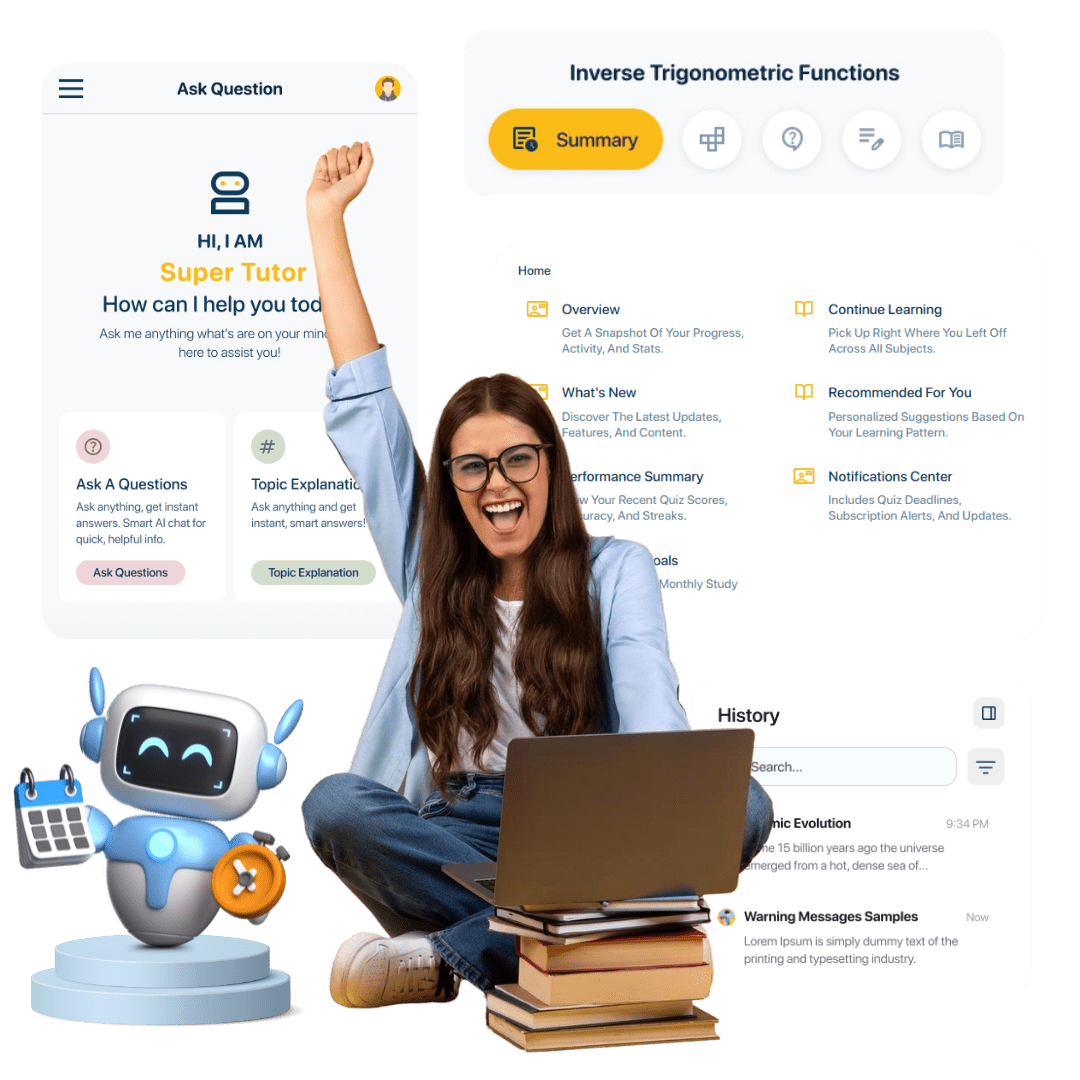
Some students use platforms like Super Tutor simply to track accuracy and mistake patterns while keeping self-study central.
Mistakes That Kill Progress (And Are Very Common)
- Treating AI tools as shortcuts
- Ignoring revision
- Giving too many tests too early
- Changing systems every month
- Judging progress emotionally
Improvement is slow, visible only in hindsight.
What You Should Do Before Paying for Tuition
Ask yourself honestly:
- Do I lack concepts or accuracy?
- How many mistakes repeat every week?
- How much time goes into solving vs listening?
- Have my last 5 tests improved meaningfully?
If accuracy is the issue, more classes rarely help.

Conclusion
In 2026, expensive tuition is no longer the default answer.
For some students, it provides structure.
For many, it delays the real work — practice and correction.
AI-powered self-study alternatives change the focus:
- from teaching to doing
- from attendance to accuracy
- from coverage to correction
Results come from systems, not slogans.
Consistency beats intensity.
Method beats motivation.
Frequently Asked Questions (FAQs)
Is expensive tuition still worth it in 2026?
It can be, but only when a student genuinely needs structure or concept-building. For students who already know the basics, tuition often adds limited value compared to structured practice.
Can AI-powered self-study replace tuition?
It can replace large parts of it, especially practice, analysis, and feedback. Some students may still need teaching support, but full-time expensive tuition is no longer necessary for everyone.
Why do many students not improve despite attending tuition?
Because mistakes are not tracked or corrected systematically. Improvement depends more on accuracy control than teaching hours.
Is self-study effective without coaching?
Yes, when it is structured. Random self-study fails, but disciplined practice with feedback works consistently.
What matters more: classes or practice?
For most learners, practice with proper analysis matters far more than additional classes.