Memories of Childhood — Chapter Summary
Gujarat Board · Class 12 · English
Summary of Memories of Childhood for Gujarat Board Class 12 English. Key concepts: Zitkala, Among her people and Bama.
Interactive on Super Tutor
Studying Memories of Childhood? Get the full interactive chapter.
Quizzes, flashcards, AI doubt-solver and a step-by-step study plan — built for chapter summary and more.
Free trial, no card needed.
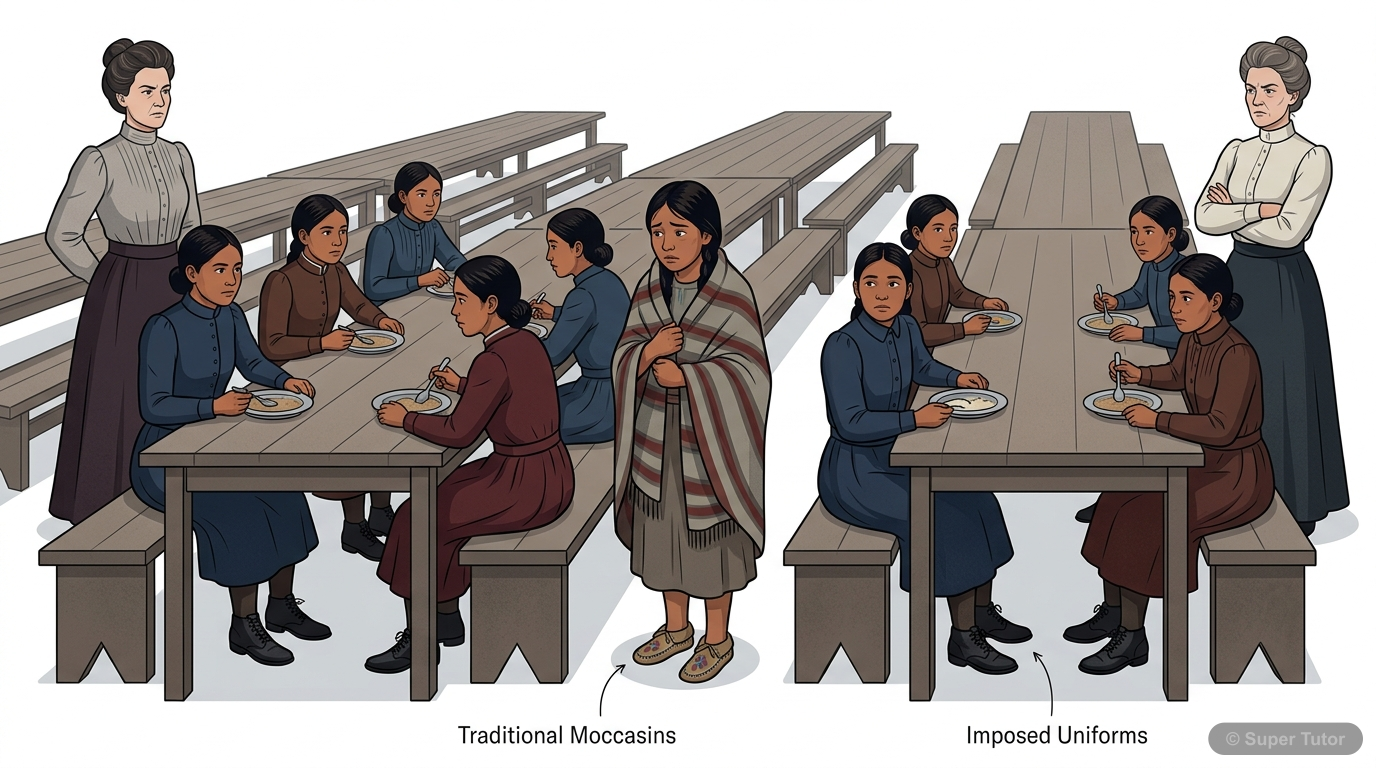
Learn better with visuals Super Tutor pairs illustrations like this with notes and quizzes for Memories of Childhood.
Overview
Memories of Childhood presents two autobiographical episodes from marginalised communities: one by Zitkala-Sa and one by Bama. Both accounts show childhood encounters with discrimination, humiliation, and the early stirrings of protest. Zitkala-Sa’s episode focuses on racial and cultural oppression
Key Concepts
Zitkala
Zitkala-Sa, born Gertrude Simmons Bonnin in 1876, describes her first day at a boarding school where Native American children are forced into a foreig
Among her people
Among her people, short hair was worn by mourners and shingled hair by cowards. Unskilled captured warriors had their hair shingled by the enemy. For
Bama
Bama, a Tamil Dalit writer from a Roman Catholic family, recalls being in third class when she first personally experienced untouchability. While walk
Bama is shocked by the way
Bama is shocked by the way caste prejudice denies human dignity to her community. Her angry response, 'But we too are human beings,' expresses her pro
Annan
Annan, Bama’s elder brother and a university student, explains the caste basis of the incident and advises her to study hard. He tells her that educat
Learning Objectives
- Understand how autobiographical writing reveals personal experiences of social discrimination.
- Identify the nature of oppression faced by Zitkala-Sa and Bama.
- Recognise the role of culture, identity, and dignity in both narratives.
- Analyse how childhood experiences shape protest, self-respect, and future action.
- Recall the meaning of key events, symbols, and dialogues in both episodes.
Frequently Asked Questions
What are the important topics in Memories of Childhood for Gujarat Board Class 12 English?
How should I revise Memories of Childhood for the Gujarat Board Class 12 board exam?
Sources & Official References
Content is aligned to the official syllabus. Refer to the board website for the latest curriculum.
More resources for Memories of Childhood
Practice Quiz
Test yourself with a quick quiz
Important Questions
Exam-style questions with answers
Revision Notes
Key points for last-minute revision
Concept Maps
See how topics connect
Study Plan
Step-by-step plan for this chapter
Flashcards
Quick-fire cards for active recall
Syllabus
What topics to cover
NCERT Solutions
Every textbook question solved step by step
For serious students
Get the full Memories of Childhood chapter — start free.
Quizzes, flashcards, an AI doubt solver and a study plan for Gujarat Board Class 12 English. Free to start, no card needed.