Microorganisms: Friend and Foe — Important Questions
Gujarat Board · Class 8 · Science
44 important questions from Microorganisms: Friend and Foe for Gujarat Board Class 8 Science, with answers. Includes multiple choice questions.
Interactive on Super Tutor
Studying Microorganisms: Friend and Foe? Get the full interactive chapter.
Quizzes, flashcards, AI doubt-solver and a step-by-step study plan — built for important questions and more.
Free trial, no card needed.
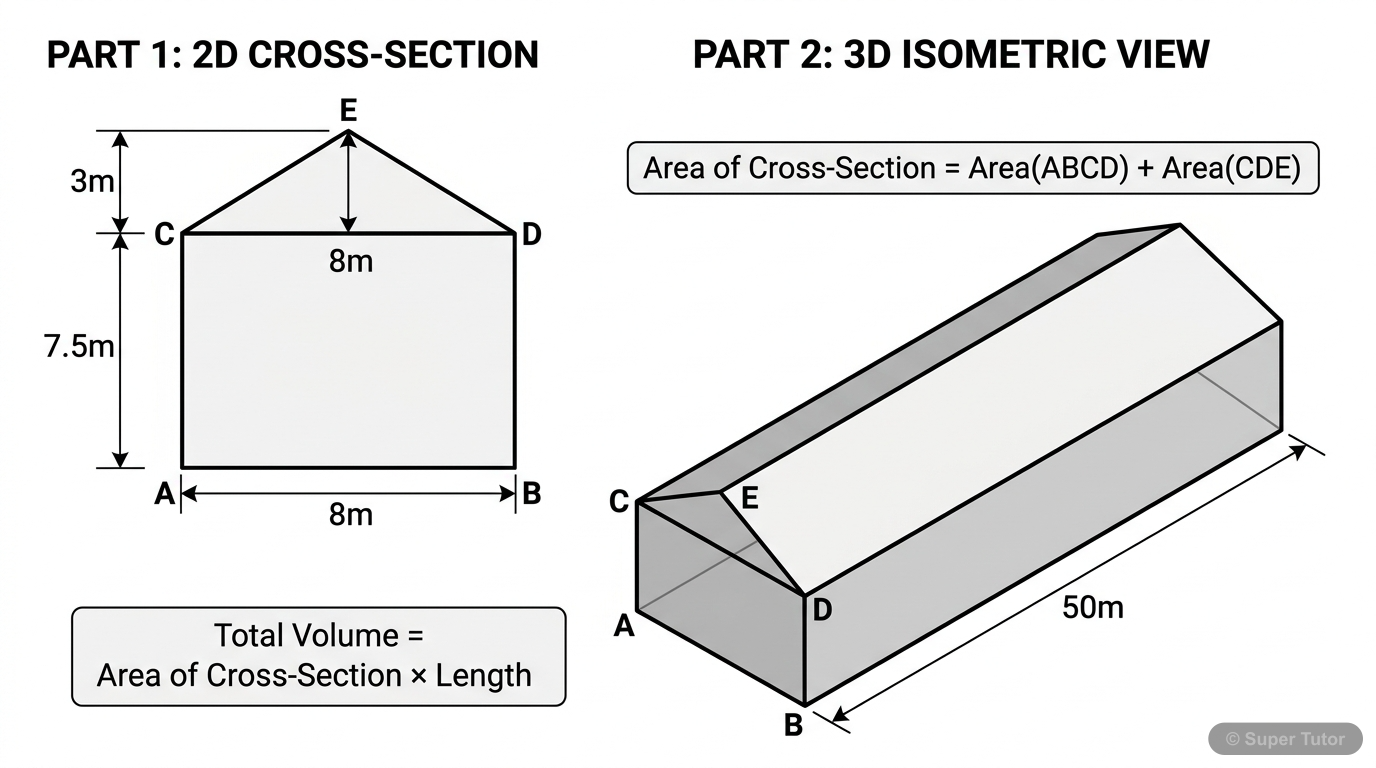
Learn better with visuals Super Tutor pairs illustrations like this with notes and quizzes for Microorganisms: Friend and Foe.
Important Questions from Microorganisms: Friend and Foe
Pasteurisation of milk involves heating it to about 70°C for 15–30 seconds and then suddenly chilling it. What is the main purpose of this process?
Show answer
To prevent the growth of harmful microbes in milk
Step 1: Raw milk contains various microorganisms, some of which can cause diseases in humans. Step 2: Louis Pasteur developed the process of pasteurisation to make milk safe for consumption without changing its nutritional properties. Step 3: Heating milk to about 70°C kills harmful microbes, and sudden chilling prevents the surviving ones from multiplying. Step 4: Pasteurised milk can be consumed without boiling because it is already free from harmful microbes. The process does NOT increase nutrition, change taste, or make curd — it simply makes milk safe by killing microbes.
Which of the following diseases is caused by a virus?
Show answer
Chicken pox
Step 1: It is important to know which type of microorganism causes which disease. Step 2: Chicken pox is caused by a virus — specifically the Varicella-zoster virus. It spreads through air and direct contact. Step 3: Tuberculosis (TB) is caused by bacteria (Mycobacterium tuberculosis); Typhoid is caused by bacteria (Salmonella typhi); Malaria is caused by a protozoan (Plasmodium). Step 4: Viruses are different from other microorganisms — they can only reproduce inside the cells of a host organism. Other viral diseases include polio, measles, influenza, and hepatitis A.
Rhizobium bacteria live in the root nodules of leguminous plants like beans and peas. What is the main benefit they provide to the plant and the soil?
Show answer
They fix atmospheric nitrogen into usable compounds, increasing soil fertility
Step 1: The atmosphere contains about 78% nitrogen, but most plants cannot use this nitrogen directly from the air. Step 2: Rhizobium bacteria live in root nodules of leguminous plants (like peas, beans, lentils) in a symbiotic relationship — both organisms benefit. Step 3: These bacteria fix atmospheric nitrogen (N₂) by converting it into nitrogen compounds that plants can absorb through their roots. Step 4: This increases soil fertility because more nitrogen compounds become available in the soil. This is why farmers rotate crops and grow leguminous plants — to naturally enrich the soil with
Which of the following is NOT a method of food preservation?
Show answer
Placing food in direct sunlight for a long time
Step 1: Food preservation methods work by preventing or slowing down the growth of microorganisms. Step 2: Salt and sugar reduce moisture in food, which inhibits bacterial growth. Refrigeration uses low temperatures to slow microbial activity. Airtight sealed packets prevent microbes from entering the food. Step 3: Placing food in direct sunlight for a long time does NOT reliably preserve food — in fact, warm and moist conditions promote faster microbial growth and spoilage. Step 4: While drying food (removing moisture) in sunlight can preserve some foods like papad or fish, simply leaving foo
+40 more questions on Microorganisms: Friend and Foe (Gujarat Board Class 8 Science)
Practise AllFrequently Asked Questions
What are the important topics in Microorganisms: Friend and Foe for Gujarat Board Class 8 Science?
How many important questions are there in Microorganisms: Friend and Foe?
Sources & Official References
Content is aligned to the official syllabus. Refer to the board website for the latest curriculum.
More resources for Microorganisms: Friend and Foe
For serious students
Get the full Microorganisms: Friend and Foe chapter — start free.
Quizzes, flashcards, an AI doubt solver and a study plan for Gujarat Board Class 8 Science. Free to start, no card needed.