Life Processes — Flashcards
Meghalaya Board · Class 10 · Science
90 flashcards for Life Processes (Meghalaya Board Class 10 Science) to test yourself on key terms and facts. Sample: "What are life processes?"
Interactive on Super Tutor
Studying Life Processes? Get the full interactive chapter.
Quizzes, flashcards, AI doubt-solver and a step-by-step study plan — built for flashcards and more.
Free trial, no card needed.
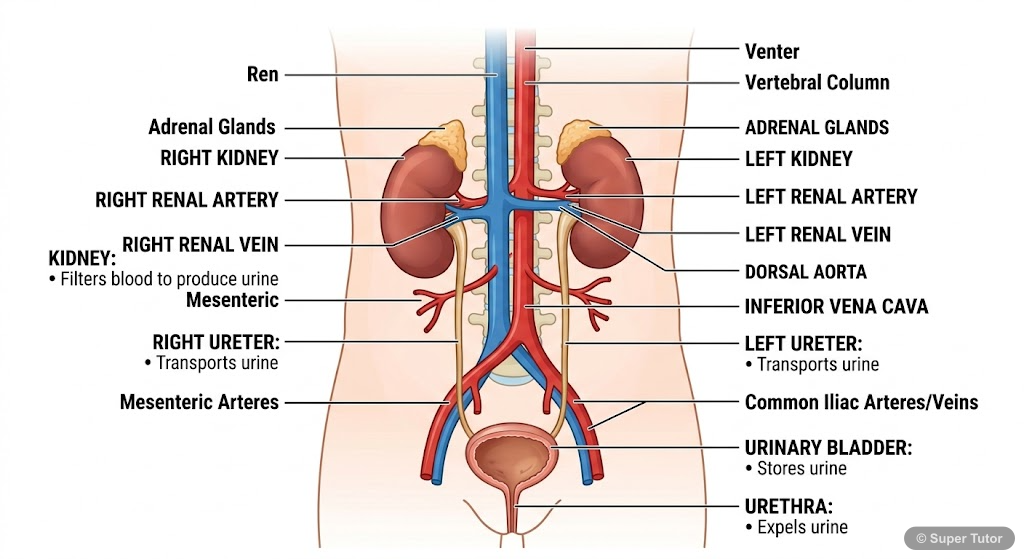
Learn better with visuals Super Tutor pairs illustrations like this with notes and quizzes for Life Processes.
What are life processes?
Answer
Life processes are the maintenance functions that go on in living organisms even when they are resting or asleep. They include nutrition, respiration, transport of materials, and excretion.
जीवन क्रियाएं क्या हैं?
Answer
जीवन क्रियाएँ (Life processes) जीवों में उनके विश्राम या निद्रा के समय भी चलने वाले अनुरक्षण कार्य हैं। इनमें पोषण, श्वसन, पदार्थों का परिवहन और उत्सर्जन शामिल हैं।…
Why is visible movement alone not enough to prove that something is alive?
Answer
Some living things may not show visible movement at a given time, but life also depends on invisible molecular movement inside cells. Living organisms must keep repairing and maintaining their structu…
किसी चीज़ को जीवित साबित करने के लिए केवल दृश्यमान गति ही क्यों पर्याप्त नहीं है?
Answer
कुछ जीव किसी समय पर दिखाई देने वाली गति नहीं दिखा सकते हैं, लेकिन जीवन कोशिकाओं के अंदर अदृश्य आणविक गति पर भी निर्भर करता है। जीवित जीवों को अपनी संरचनाओं की मरम्मत और रखरखाव करते रहना चाहिए।…
Why are viruses considered controversial as living things?
Answer
Viruses do not show molecular movement on their own until they infect a cell. That is why their living status is not clear-cut.
जीवित चीजों के रूप में वायरस को विवादास्पद क्यों माना जाता है?
Answer
वायरस तब तक स्वयं आणविक गति नहीं दिखाते जब तक कि वे किसी कोशिका को संक्रमित नहीं कर देते। यही कारण है कि उनकी जीवित स्थिति स्पष्ट नहीं है।…
How do autotrophs make their food?
Answer
Autotrophs use simple inorganic materials such as carbon dioxide and water to synthesise food by photosynthesis. Green plants and some bacteria are autotrophs.
स्वपोषी जीव अपना भोजन कैसे बनाते हैं?
Answer
ऑटोट्रॉफ़ प्रकाश संश्लेषण द्वारा भोजन को संश्लेषित करने के लिए कार्बन डाइऑक्साइड और पानी जैसी सरल अकार्बनिक सामग्रियों का उपयोग करते हैं। हरे पौधे और कुछ बैक्टीरिया स्वपोषी होते हैं।…
+82 more flashcards
Practise AllFrequently Asked Questions
What are the important topics in Life Processes for Meghalaya Board Class 10 Science?
How many flashcards are available for Life Processes?
How should I revise Life Processes for the Meghalaya Board Class 10 board exam?
Sources & Official References
Content is aligned to the official syllabus. Refer to the board website for the latest curriculum.
More resources for Life Processes
Practice Quiz
Test yourself with a quick quiz
Important Questions
Exam-style questions with answers
Revision Notes
Key points for last-minute revision
Chapter Summary
Understand the chapter at a glance
Concept Maps
See how topics connect
Study Plan
Step-by-step plan for this chapter
Syllabus
What topics to cover
NCERT Solutions
Every textbook question solved step by step
For serious students
Get the full Life Processes chapter — start free.
Quizzes, flashcards, an AI doubt solver and a study plan for Meghalaya Board Class 10 Science. Free to start, no card needed.