Andhayug — Chapter Summary
NIOS · Class 12 · English
Summary of Andhayug for NIOS Class 12 English. Andhayug, meaning 'The Age of Blindness', is a contemporary Indian verse drama written by Dharamvir Bharati.
Interactive on Super Tutor
Studying Andhayug? Get the full interactive chapter.
Quizzes, flashcards, AI doubt-solver and a step-by-step study plan — built for chapter summary and more.
Free trial, no card needed.
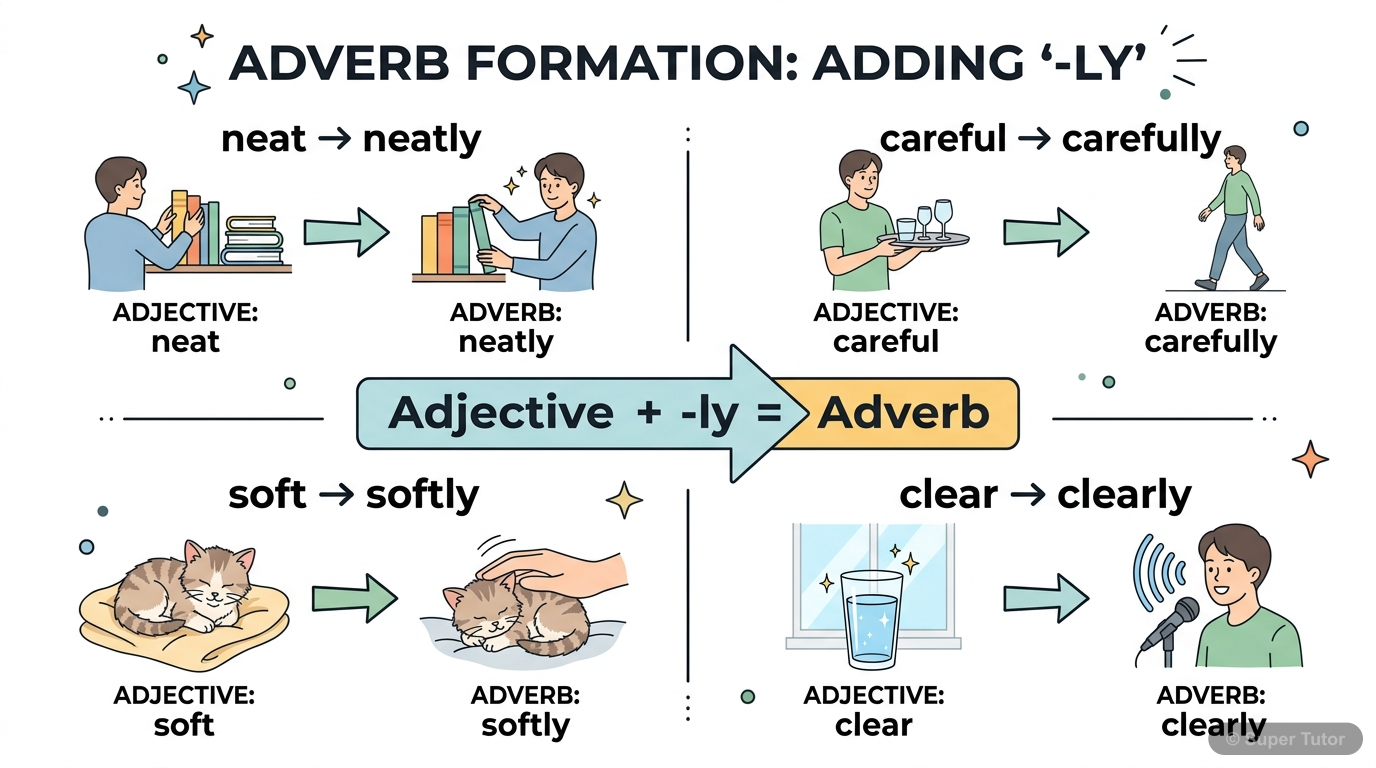
Learn better with visuals Super Tutor pairs illustrations like this with notes and quizzes for Andhayug.
Overview
Andhayug, meaning 'The Age of Blindness', is a contemporary Indian verse drama written by Dharamvir Bharati and published in 1953. This powerful play draws from the ancient Sanskrit epic Mahabharata and presents a profound exploration of the aftermath of war, focusing on the final day of the Kuruksh
Key Concepts
The central metaphor of the play
The central metaphor of the play referring to an era characterized by moral and spiritual darkness. This blindness is both literal (Gandhari's covered
The protagonist and narrator of
The protagonist and narrator of the interlude who serves as an observer and philosopher. He is described as murdered by Ashwatthama, yet continues as
Yuyutsu
Yuyutsu, Sanjaya, and Vidura appear as specters or ghosts on stage, representing souls trapped between life and death. They walk in a trance-like stat
The wheel is a recurring symbol
The wheel is a recurring symbol representing fate, destiny, and the cycle of life. Yuyutsu describes himself as a firm wheel that lost its bearings, s
The peacock feather
The peacock feather, believed to come from Krishna's crown, represents divine grace and spiritual power. However, it is juxtaposed with the chariot of
Learning Objectives
- Recognize the richness and depth of literary texts in modern Indian literature written in Hindi
- Understand how traditional epic narratives are reinterpreted through contemporary dramatic perspectives
- Analyze drama as a literary genre through close reading, textual interpretation, and critical analysis
- Examine and justify the role of morality and ethical consciousness in addressing social crises
- Develop critical thinking skills to interpret symbolic language, metaphors, and literary devices
Frequently Asked Questions
What are the important topics in Andhayug for NIOS Class 12 English?
How should I revise Andhayug for the NIOS Class 12 board exam?
Sources & Official References
Content is aligned to the official syllabus. Refer to the board website for the latest curriculum.
More resources for Andhayug
For serious students
Get the full Andhayug chapter — start free.
Quizzes, flashcards, an AI doubt solver and a study plan for NIOS Class 12 English. Free to start, no card needed.