The Crow and the Deer — Practice Quiz
NIOS · Class 12 · English
Try a 4-question quiz on The Crow and the Deer for NIOS Class 12 English: tap an answer to check it and see why. 43 questions in the full chapter test.
Interactive on Super Tutor
Studying The Crow and the Deer? Get the full interactive chapter.
Quizzes, flashcards, AI doubt-solver and a step-by-step study plan — built for practice quiz and more.
Free trial, no card needed.
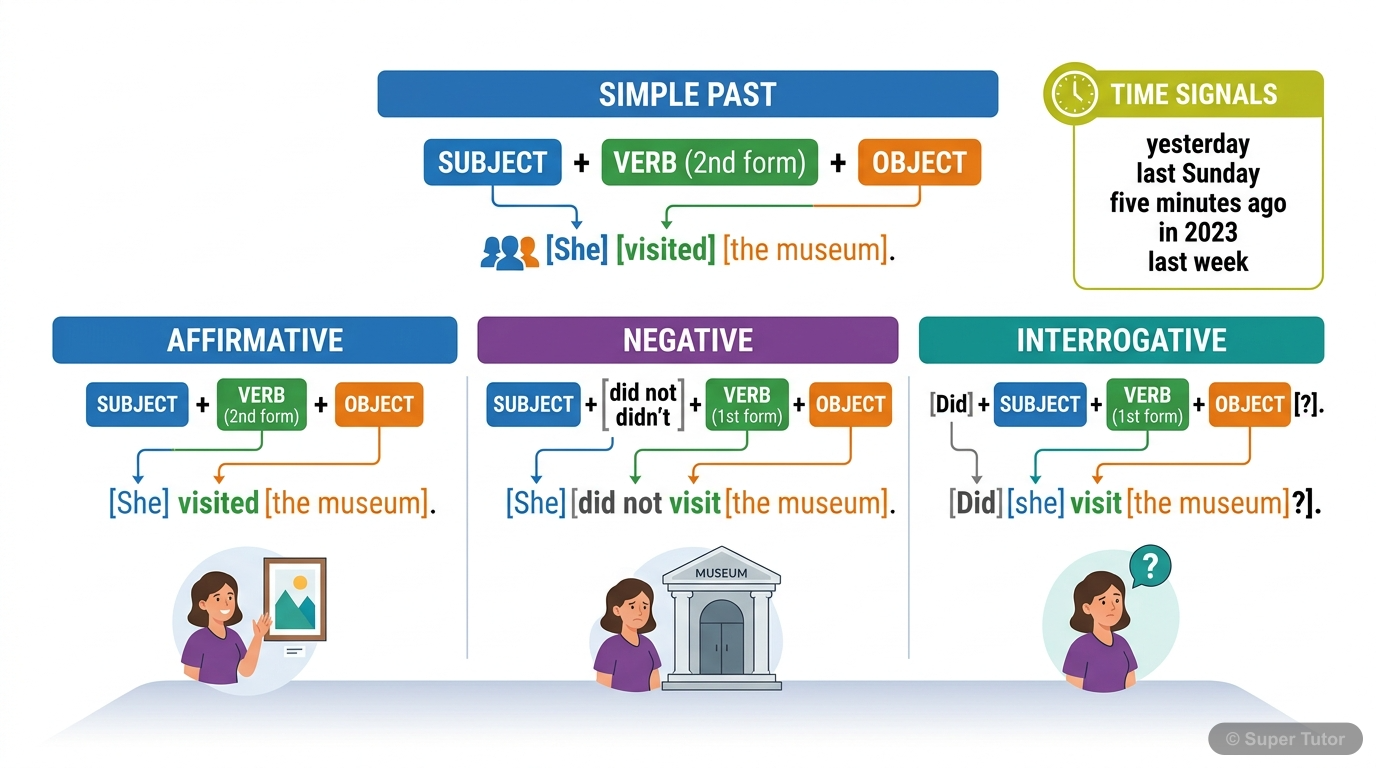
Learn better with visuals Super Tutor pairs illustrations like this with notes and quizzes for The Crow and the Deer.
Quick Quiz: The Crow and the Deer
0/4Tap an answer to check it instantly. No sign-up needed for these 4.
What is the name of the forest in Magadh Desh where the story 'The Crow and the Deer' takes place?
What is the Sanskrit meaning of the name 'Kshudra-buddhi', which is the jackal's name in the story?
Why did the crow, Su-buddhi, warn the deer against befriending the jackal when they first met?
In the inner story told by the crow, what had the vulture Jaradgave lost due to misfortune?
Sample Questions
What was the real intention of the cat Dirghakarna when he arrived at the fig tree near the Ganges?
Show answer
To eat the young birds (nestlings) living on the tree
Step 1: The text says: 'Once it happened that a cat named Dirghakarna reached there with the intention of eating the nestlings.' Step 2: Nestlings are young birds that are too small to leave the nest – they are easy prey for a cat. Step 3: However, when the cat saw the vulture, he got frightened and quickly changed his strategy. Step 4: He decided to deceive the vulture by pretending to be a pious and non-violent follower of dharma. Step 5: This deception allowed the cat to stay on the tree and eventually carry out his original plan of eating the young birds. Options A, B, and D describe what
How did the cat Dirghakarna convince the vulture Jaradgave to allow him to stay on the tree?
Show answer
By claiming to be a pious vegetarian who follows dharma and nonviolence
Step 1: When the vulture threatened to kill the cat, the cat remained calm and used clever arguments. Step 2: He claimed to bathe daily in the Ganges, practise celibacy, and observe chandrayan-vrats (fasting rituals). Step 3: He quoted scriptures about nonviolence being the highest form of righteousness: 'Marked by nonviolence, tolerance and lending a helping hand.' Step 4: He also quoted sayings about hospitality, saying guests should always be welcomed. Step 5: By quoting holy scriptures and presenting himself as deeply religious and harmless, he won the vulture's trust completely. This is a
What happened to the innocent old vulture Jaradgave in the end of the inner story?
Show answer
He was killed by all the birds who blamed him for the missing nestlings
Step 1: After gaining the vulture's trust, the cat began secretly eating the young birds and hiding their bones in the vulture's hollow. Step 2: When the birds noticed their young ones were missing, they searched frantically. Step 3: The cat then fled the hollow before being discovered. Step 4: The distressed birds found the bones of their chicks inside the vulture's hollow. Step 5: Believing the blind and helpless vulture had eaten their young ones, 'all the birds killed the old vulture.' This tragic ending shows how an innocent person can suffer due to misplaced trust – the very lesson the c
After the crow's warning, the jackal challenged the crow's logic. What argument did the jackal use to defend his friendship with the deer?
Show answer
He pointed out that even the crow was a stranger to the deer when they first met
Step 1: After the crow narrated the tale of the vulture and the cat, the jackal responded with anger. Step 2: His key argument was: 'Even your family and character were not known to the deer on the very first day you met him.' Step 3: This was actually a clever counter-argument – the jackal highlighted the crow's own hypocrisy in warning against unknown friendships. Step 4: The jackal also quoted a saying about broad-mindedness: 'The whole Earth is a family for benevolent and broad minds.' Step 5: This argument is logically challenging but ignores the difference in behaviour – the crow genuine
+39 more questions on The Crow and the Deer (NIOS Class 12 English)
Practise AllFrequently Asked Questions
What are the important topics in The Crow and the Deer for NIOS Class 12 English?
How many practice questions are there for The Crow and the Deer?
Sources & Official References
Content is aligned to the official syllabus. Refer to the board website for the latest curriculum.
More resources for The Crow and the Deer
For serious students
Get the full The Crow and the Deer chapter — start free.
Quizzes, flashcards, an AI doubt solver and a study plan for NIOS Class 12 English. Free to start, no card needed.