Early Humans and Beginning of Civilisation — Flashcards
CBSE · Class 9 · Social Science
112 flashcards for Early Humans and Beginning of Civilisation (CBSE Class 9 Social Science) to test yourself on key terms and facts.
Interactive on Super Tutor
Studying Early Humans and Beginning of Civilisation? Get the full interactive chapter.
Quizzes, flashcards, AI doubt-solver and a step-by-step study plan — built for flashcards and more.
Free trial, no card needed.
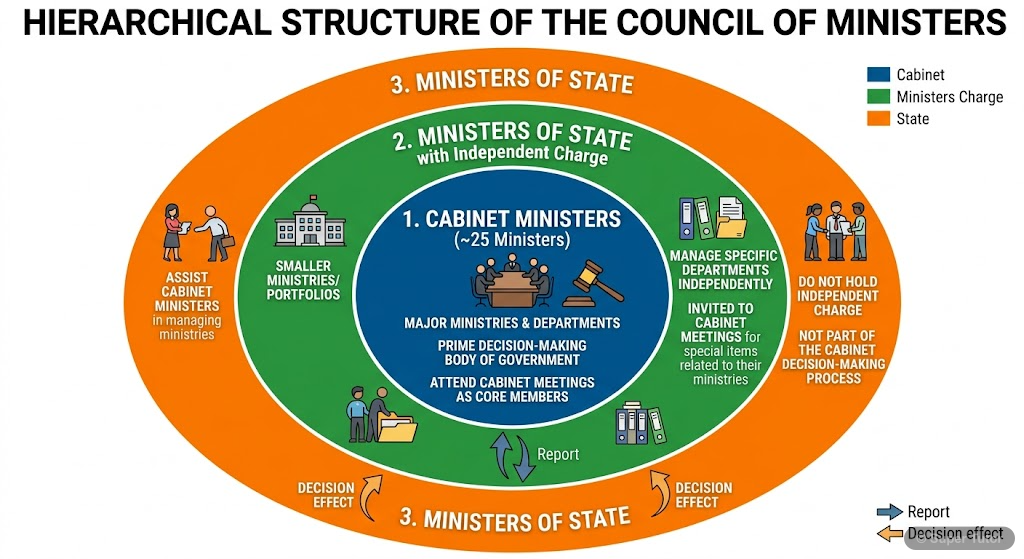
One of 2 illustrations for Early Humans and Beginning of Civilisation in Super Tutor — alongside flashcards, concept maps and practice questions.
What does early human history study?
Answer
Early human history studies the long period before writing was invented. It is reconstructed mainly from tools, fossils, cave art, and other material remains. It helps explain how humans lived, moved,…
प्रारंभिक मानव इतिहास किसका अध्ययन करता है?
Answer
प्रारंभिक मानव इतिहास उस लंबी अवधि का अध्ययन करता है जब लेखन का आविष्कार नहीं हुआ था। इसका पुनर्निर्माण मुख्यतः औज़ारों, जीवाश्मों, गुफा कला, और अन्य भौतिक अवशेषों से किया जाता है। यह समझने में मदद कर…
इतिहास में लेखन से पहले की अवधि इतनी महत्वपूर्ण क्यों है?
Answer
यह मानव इतिहास का 99% से अधिक भाग समेटे हुए है, लगभग 3 million वर्ष पहले से 5000 वर्ष पहले तक। इस लंबे समय में, मनुष्यों ने औज़ार विकसित किए, अलग-अलग वातावरणों में जीवित रहना सीखा, और धीरे-धीरे शिकार …
Why is the period before writing so important in history?
Answer
It covers more than 99% of human history, from about 3 million years ago to 5000 years ago. During this long period, humans developed tools, learnt to survive in different environments, and slowly mov…
What changes after writing was invented?
Answer
After writing began, people could record events, laws, trade, and social life more accurately. Written records and material remains together help historians understand the past. This period is less th…
लेखन के आविष्कार के बाद क्या बदलता है?
Answer
लेखन शुरू होने के बाद, लोग घटनाओं, कानूनों, व्यापार, और सामाजिक जीवन को अधिक सटीक रूप से दर्ज कर सकते थे। लिखित अभिलेख और भौतिक अवशेष मिलकर इतिहासकारों को अतीत समझने में मदद करते हैं। यह अवधि मानव इति…
चतुर्थक काल क्या है?
Answer
चतुर्थक काल अंतिम 26 lakh वर्ष हैं, जिसमें वर्तमान भी शामिल है। यह वह काल है जिसमें प्रारंभिक मानव विकसित हुए और बदलती जलवायु तथा पर्यावरण के अनुसार अनुकूलित हुए।…
What is the Quaternary Period?
Answer
The Quaternary Period is the last 26 lakh years, including the present. It is the period during which early humans evolved and adapted to changing climate and environment.
+104 more flashcards
Practise AllFrequently Asked Questions
What are the important topics in Early Humans and Beginning of Civilisation for CBSE Class 9 Social Science?
How many flashcards are available for Early Humans and Beginning of Civilisation?
How should I revise Early Humans and Beginning of Civilisation for Class 9 exams?
Sources & Official References
- NCERT Official — ncert.nic.in
- CBSE Academic — cbseacademic.nic.in
- CBSE Official — cbse.gov.in
- National Education Policy 2020 — education.gov.in
Content is aligned to the official syllabus. Refer to the board website for the latest curriculum.
More resources for Early Humans and Beginning of Civilisation
Practice Quiz
Test yourself with a quick quiz
Important Questions
Exam-style questions with answers
Revision Notes
Key points for last-minute revision
Chapter Summary
Understand the chapter at a glance
Concept Maps
See how topics connect
Study Plan
Step-by-step plan for this chapter
Syllabus
What topics to cover
NCERT Solutions
Every textbook question solved step by step
For serious students
Get the full Early Humans and Beginning of Civilisation chapter — start free.
Quizzes, flashcards, an AI doubt solver and a study plan for CBSE Class 9 Social Science. Free to start, no card needed.