The West Wind — Study Plan
ICSE · Class 10 · English Literature-Treasure Chest ( Poems and Short Stories)
A step-by-step study plan for The West Wind, ICSE Class 10 English Literature-Treasure Chest: what to learn first, what to practise and when to revise.
Interactive on Super Tutor
Studying The West Wind? Get the full interactive chapter.
Quizzes, flashcards, AI doubt-solver and a step-by-step study plan — built for study plan and more.
Free trial, no card needed.
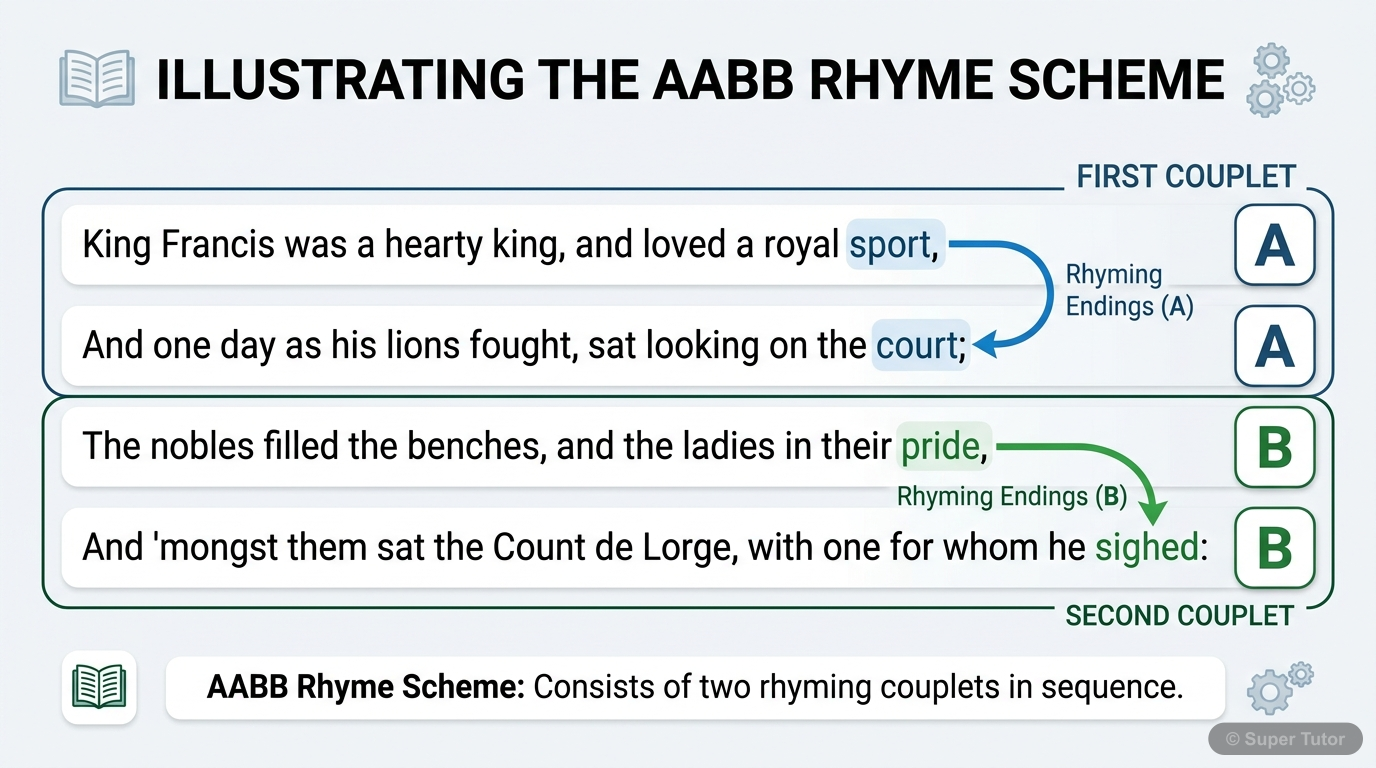
One of 4 illustrations for The West Wind in Super Tutor — alongside flashcards, concept maps and practice questions.
See them allStudy Plan
Learn the Theory
Read the textbook chapter carefully. Note down definitions, formulas and key ideas. Focus on: Poet and Poem Overview, Summary of the Poem, Theme and Message.
Practise
Solve the textbook exercises and extra practice questions. There are 49 questions available for this chapter.
Revise & Test
Revise key points without looking at your notes. Take a practice quiz and mark weak areas for another pass.
Spaced Revision
Come back to The West Wind after a week. Use flashcards for quick recall and try past exam questions on this chapter.
What to Focus On
- John Masefield was a British poet.
- The poem is a nostalgic poem expressing love and yearning for homeland.
- The west wind brings memories of the west lands and the old brown hills.
- The west wind acts like a messenger from home.
- The poem expresses nostalgia and longing.
- Home is linked with rest, peace, and healing.
- The poem begins with the speaker’s voice.
- The wind is then given human speech through personification.
- The repeated call "brother" creates intimacy.
Common Mistakes to Avoid
The narrator and the west wind are the same speaker throughout the poem.
The west wind is only a weather condition, so it has no deeper meaning.
'Brother' means the narrator and the wind are literal brothers.
Memory Tips
The west wind is warm and full of birds' cries
The narrator feels tears when he hears the west wind
The west wind comes from the west lands and old brown hills
April and daffodils travel with the west wind
Want a personalised study plan?
Super Tutor builds a day-by-day plan for ICSE Class 10 English Literature-Treasure Chest ( Poems and Short Stories) that fits your exam date and pace.
Create My Study PlanFrequently Asked Questions
What are the important topics in The West Wind for ICSE Class 10 English Literature-Treasure Chest ( Poems and Short Stories)?
How should I revise The West Wind for the ICSE Class 10 board exam?
Sources & Official References
Content is aligned to the official syllabus. Refer to the board website for the latest curriculum.
More resources for The West Wind
Practice Quiz
Test yourself with a quick quiz
Important Questions
Exam-style questions with answers
Revision Notes
Key points for last-minute revision
Chapter Summary
Understand the chapter at a glance
Concept Maps
See how topics connect
Flashcards
Quick-fire cards for active recall
Syllabus
What topics to cover
For serious students
Get the full The West Wind chapter — start free.
Quizzes, flashcards, an AI doubt solver and a study plan for ICSE Class 10 English Literature-Treasure Chest ( Poems and Short Stories). Free to start, no card needed.