Emotions and Motivation — Concept Maps
ICSE · Class 11 · Psychology
4 concept maps of Emotions and Motivation for ICSE Class 11 Psychology, each also written out as a text outline.
Interactive on Super Tutor
Studying Emotions and Motivation? Get the full interactive chapter.
Quizzes, flashcards, AI doubt-solver and a step-by-step study plan — built for concept maps and more.
Free trial, no card needed.
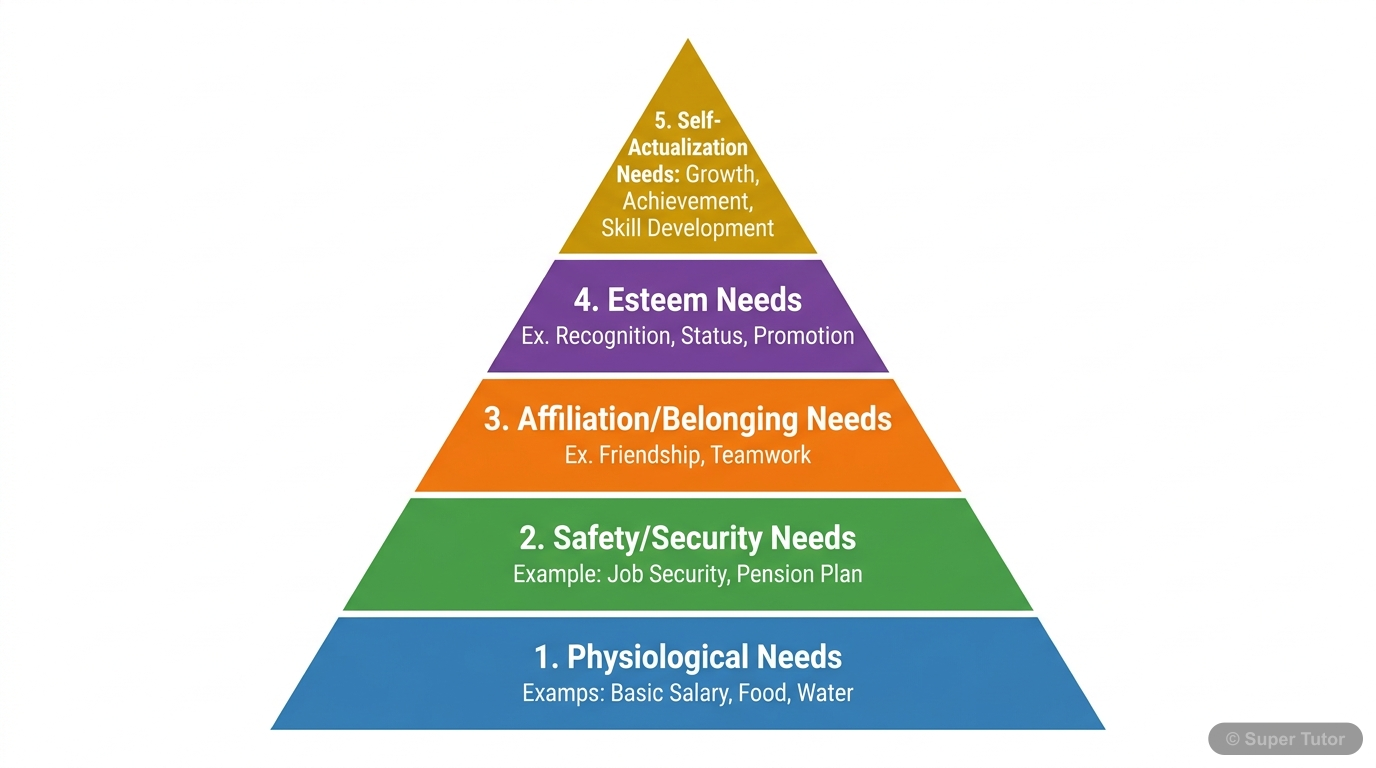
Learn better with visuals Super Tutor pairs illustrations like this with notes and quizzes for Emotions and Motivation.
Chapter 4: Emotions and Motivation – Complete Overview
The map in words
- Emotions and Motivation
- Emotion
- Meaning
- Latin emovere
- Woodworth Definition
- McDougall Instincts
- Three Elements
- Physiological Changes
- Subjective Cognitive States
- Expressive Behaviours
- Characteristics
- Subjective Nature
- Individual Differences
- Displacement Quality
- Inversely Related to Intelligence
- Types
- Anger
- Fear
- Affection
- Sorrow
- Joy
- Theories
- James Lange Theory
- Physiological Theory
- Stimulus then Physiology then Emotion
- Cannon Bard Theory
- Subjective Theory
- Simultaneous Emotion and Physiology
- Schachter Singer Theory
- Two Factor Theory
- Arousal plus Cognition
- James Lange Theory
- Meaning
- Motivation
- Meaning
- Activates Behaviour
- Components API
- Forces
- Needs and Drives
- Instincts
- Unconscious Motivation
- Intrinsic Motivation
- Extrinsic Motivation
- Theories
- Push Theory Drive Reduction
- Pull Theory Incentive
- Optimum Arousal Theory
- Yerkes Dodson Law
- Expectancy Theory Vroom
- Expectancy
- Instrumentality
- Valence
- Maslow Need Hierarchy
- Physiological Needs
- Safety Needs
- Belongingness Needs
- Esteem Needs
- Self Actualisation
- Social Motives
- Achievement Motivation
- Power Motivation
- Aggression
- Causes
- Control
- Meaning
- Frustration
- Internal Causes
- External Causes
- Responses
- Anger
- Loss of Confidence
- Withdrawal
- Stress
- Depression
- Conflict Types
- Approach Approach
- Avoidance Avoidance
- Approach Avoidance
- Multiple Approach Avoidance
- Emotion
Overview of Emotions and Motivation — Chapter Mind Map
The map in words
- Emotions and Motivation
- Emotion
- Definition
- Latin emovere
- Stirred up state
- Three Components
- Physiological changes
- Subjective experience
- Expressive behaviour
- Characteristics
- Subjective
- Universal
- Displacement
- Inverse relation with intelligence
- Types
- Anger
- Fear
- Affection
- Sorrow
- Joy
- Theories
- James-Lange
- Physiological first
- Then emotion
- Cannon-Bard
- Simultaneous
- Independent
- Schachter-Singer
- Cognitive label
- Two-factor theory
- James-Lange
- Definition
- Motivation
- Definition
- Activates behaviour
- Goal-directed
- Components
- Activation
- Persistence
- Intensity
- Forces
- Needs and Drives
- Instincts
- Unconscious motivation
- Intrinsic motivation
- Extrinsic motivation
- Theories
- Push and Pull
- Optimum Arousal
- Yerkes-Dodson Law
- Expectancy Theory
- Expectancy
- Instrumentality
- Valence
- Maslow Hierarchy
- Physiological
- Safety
- Belonging
- Esteem
- Self-actualisation
- Social Motives
- Achievement motivation
- Power motivation
- Aggression
- Definition
- Frustration
- Causes
- Internal
- External
- Reactions
- Anger
- Withdrawal
- Depression
- Stress
- Causes
- Conflict
- Approach-Approach
- Avoidance-Avoidance
- Approach-Avoidance
- Multiple Approach-Avoidance
- Emotion
Emotions and Motivation: Comprehensive Concept Overview
The map in words
- Emotions and Motivation
- Emotion Components
- Physiological Changes
- Heart rate increase
- Blood pressure changes
- Perspiration
- Hormonal changes
- Subjective Experience
- Personal feelings
- Cognitive interpretation
- Life satisfaction
- Overt Expression
- Facial expressions
- Body movements
- Vocal changes
- Physiological Changes
- Emotion Types
- Anger
- Mild to intense
- Disrupts relationships
- Fear
- Survival value
- Avoidance response
- Joy
- Pleasure feeling
- Lingering effect
- Affection
- Warmth feeling
- Supports coping
- Sorrow
- Loss response
- Prolonged duration
- Anger
- Emotion Theories
- James-Lange
- Physiology first
- Then emotion
- Cannon-Bard
- Simultaneous
- Independent
- Schachter-Singer
- Arousal plus
- Cognitive label
- James-Lange
- Motivation Basics
- Components
- Activation
- Persistence
- Intensity
- Types
- Intrinsic
- Extrinsic
- Forces
- Needs
- Drives
- Instincts
- Components
- Motivation Sources
- Physiological Drives
- Hunger
- Thirst
- Sleep
- Sexual
- Psychological Needs
- Achievement
- Power
- Affiliation
- Unconscious
- Hidden desires
- Repressed impulses
- Physiological Drives
- Motivation Theories
- Arousal Theory
- Optimal level
- Homeostasis
- Expectancy Theory
- Expectancy element
- Instrumentality
- Valence
- Maslow Hierarchy
- Physiological
- Safety
- Belonging
- Esteem
- Self-actualization
- Arousal Theory
- Frustration Conflict
- Frustration Causes
- Internal blocking
- External obstacles
- Time wasting
- Conflict Types
- Approach-Approach
- Avoidance-Avoidance
- Approach-Avoidance
- Multiple mixed
- Responses
- Anger
- Withdrawal
- Depression
- Stress
- Frustration Causes
- Emotion Components
Emotions and Motivation
The map in words
- Emotions and Motivation
- Emotion
- Theories of emotion
- Motivation
- Theories of motivation
- Social motives
- Frustration
- Conflict
- Aggression and control
Explore these maps interactively
Explore DiagramsFrequently Asked Questions
What are the important topics in Emotions and Motivation for ICSE Class 11 Psychology?
What do the concept maps for Emotions and Motivation show?
How should I revise Emotions and Motivation for Class 11 exams?
Sources & Official References
Content is aligned to the official syllabus. Refer to the board website for the latest curriculum.
More resources for Emotions and Motivation
Practice Quiz
Test yourself with a quick quiz
Important Questions
Exam-style questions with answers
Revision Notes
Key points for last-minute revision
Chapter Summary
Understand the chapter at a glance
Study Plan
Step-by-step plan for this chapter
Flashcards
Quick-fire cards for active recall
Syllabus
What topics to cover
For serious students
Get the full Emotions and Motivation chapter — start free.
Quizzes, flashcards, an AI doubt solver and a study plan for ICSE Class 11 Psychology. Free to start, no card needed.