Emotions and Motivation — Syllabus
ICSE · Class 11 · Psychology
What Emotions and Motivation covers in ICSE Class 11 Psychology: 4 topics, for the 2026-27 session. Part of the ICSE Class 11 Psychology syllabus.
Interactive on Super Tutor
Studying Emotions and Motivation? Get the full interactive chapter.
Quizzes, flashcards, AI doubt-solver and a step-by-step study plan — built for syllabus and more.
Free trial, no card needed.
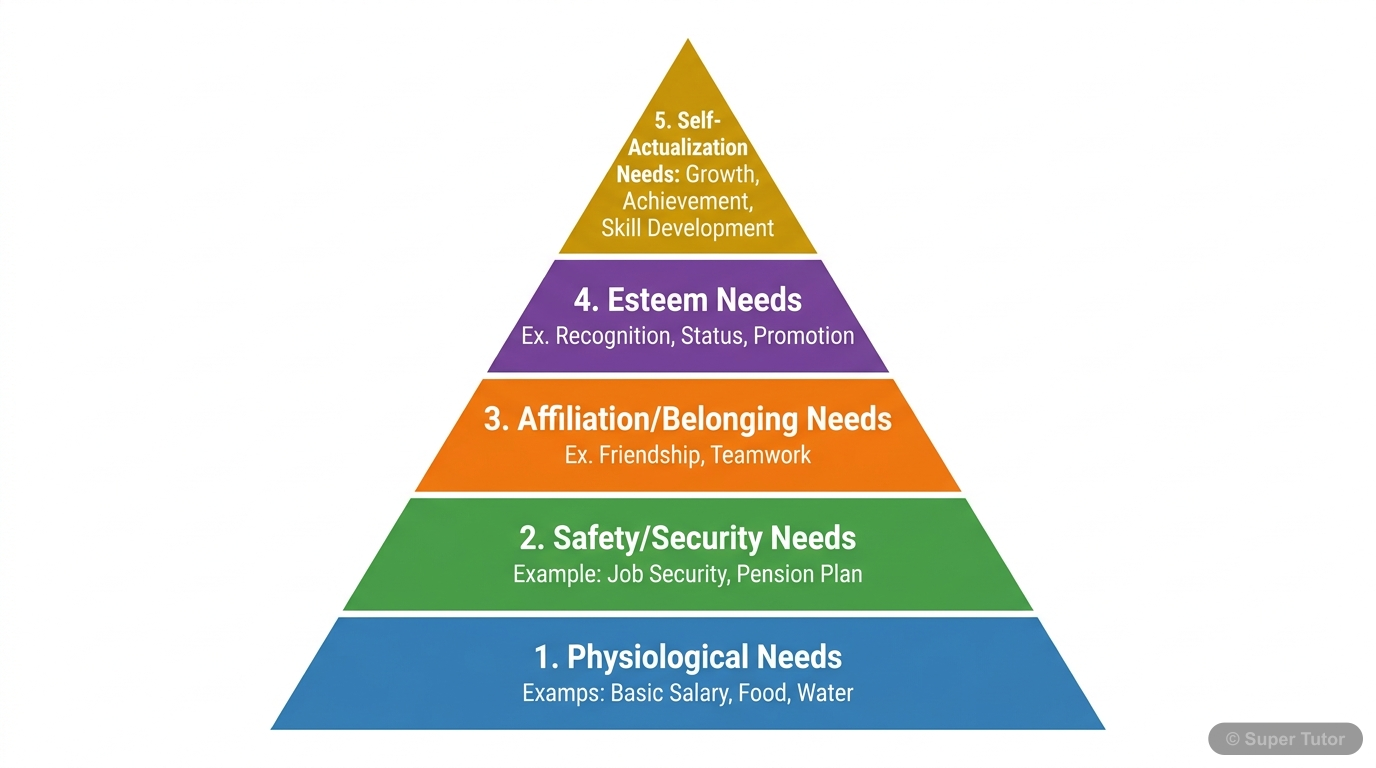
Learn better with visuals Super Tutor pairs illustrations like this with notes and quizzes for Emotions and Motivation.
Topics in Emotions and Motivation
Emotion: Meaning, Nature, and Characteristics
- Emotion means a stirred-up state of feeling and behaviour.
- The word emotion comes from the Latin word emovere, meaning to agitate, excite, or stir up.
- Common opinion holds that emotion has three foremost elements: physiological changes, subjective cognitive states, and associated expressive behaviours.
Theories of Emotion
- James-Lange theory says physiological arousal occurs first and then produces emotion; it is also called the physiological theory of emotion.
- William James and Carl Lange are associated with this theory.
- The famous idea linked with James-Lange theory is: We feel sorry because we cry; angry because we strike, afraid because we tremble.
Motivation, Drives, Needs, and Instincts
- Motivation is the mental process that activates and propels behaviour toward a goal.
- Motivation has three major components: activation, persistence, and intensity.
- Needs are wants or desires that create an unpleasant state and push a person to act.
Theories of Motivation
- Push theory is the drive reduction theory.
- Pull theory is the incentive theory.
- In push theory, internal drives push behaviour toward a goal.
Key Concepts
Central concept: Emotions and Motivation
Work through every topic in Emotions and Motivation with notes and quizzes
Start This ChapterFrequently Asked Questions
What are the important topics in Emotions and Motivation for ICSE Class 11 Psychology?
How should I revise Emotions and Motivation for Class 11 exams?
Sources & Official References
Content is aligned to the official syllabus. Refer to the board website for the latest curriculum.
More resources for Emotions and Motivation
Practice Quiz
Test yourself with a quick quiz
Important Questions
Exam-style questions with answers
Revision Notes
Key points for last-minute revision
Chapter Summary
Understand the chapter at a glance
Concept Maps
See how topics connect
Study Plan
Step-by-step plan for this chapter
Flashcards
Quick-fire cards for active recall
For serious students
Get the full Emotions and Motivation chapter — start free.
Quizzes, flashcards, an AI doubt solver and a study plan for ICSE Class 11 Psychology. Free to start, no card needed.