Reproductive Health — Study Plan
ICSE · Class 12 · Biology
A step-by-step study plan for Reproductive Health, ICSE Class 12 Biology: what to learn first, what to practise and when to revise.
Interactive on Super Tutor
Studying Reproductive Health? Get the full interactive chapter.
Quizzes, flashcards, AI doubt-solver and a step-by-step study plan — built for study plan and more.
Free trial, no card needed.
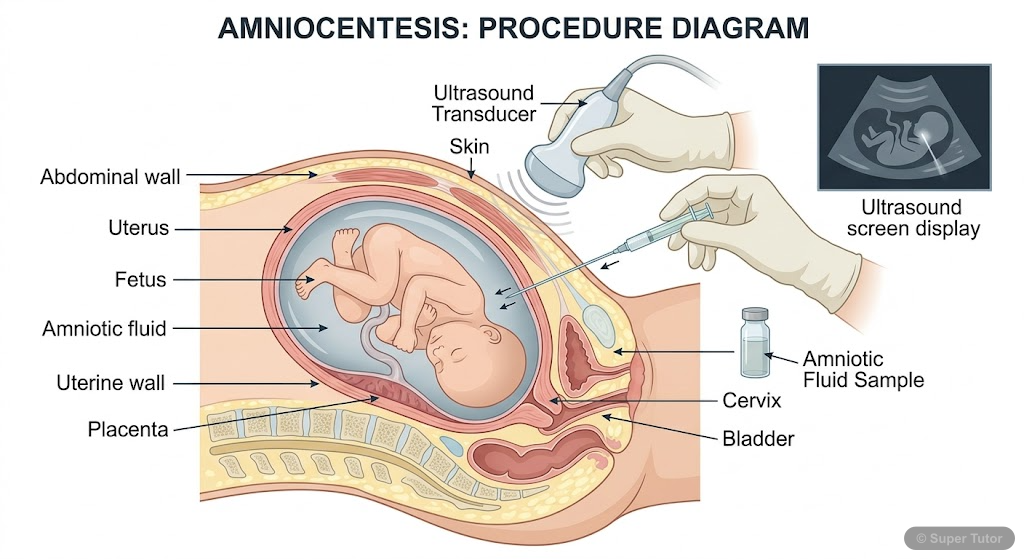
One of 19 illustrations for Reproductive Health in Super Tutor — alongside flashcards, concept maps and practice questions.
Study Plan
Learn the Theory
Read the textbook chapter carefully. Note down definitions, formulas and key ideas. Focus on: 1. Reproductive Health: Meaning and Need, 2. Population Explosion and Birth Control, 3. Natural Methods of Contraception.
Practise
Solve the textbook exercises and extra practice questions. There are 130 questions available for this chapter.
Revise & Test
Revise key points without looking at your notes. Take a practice quiz and mark weak areas for another pass.
Spaced Revision
Come back to Reproductive Health after a week. Use flashcards for quick recall and try past exam questions on this chapter.
What to Focus On
- Reproductive health includes physical, emotional, behavioural, and social well-being.
- Healthy reproductive organs alone are not enough; awareness and responsible behaviour are also important.
- Reproductive health helps prevent STDs, unwanted pregnancies, unsafe abortion, and infertility-related distress.
- Family Welfare Programme began in 1951.
- RCH programmes extend reproductive health care.
- Mass media and sex education are major tools of awareness.
- Population increase can strain food supply, health care, and employment.
- Marriageable age is 18 years for females and 21 years for males.
- Family planning helps stabilize population growth.
Common Mistakes to Avoid
Reproductive health means only the absence of disease in the reproductive organs.
Periodic abstinence means avoiding coitus throughout the whole menstrual cycle.
Lactational amenorrhea works for as long as breastfeeding continues, so it can be used indefinitely.
Memory Tips
WHO definition of reproductive health
Family Welfare Programme and RCH
Population growth figures
Marriageable age in India
Want a personalised study plan?
Super Tutor builds a day-by-day plan for ICSE Class 12 Biology that fits your exam date and pace.
Create My Study PlanFrequently Asked Questions
What are the important topics in Reproductive Health for ICSE Class 12 Biology?
How should I revise Reproductive Health for the ICSE Class 12 board exam?
Sources & Official References
Content is aligned to the official syllabus. Refer to the board website for the latest curriculum.
More resources for Reproductive Health
Practice Quiz
Test yourself with a quick quiz
Important Questions
Exam-style questions with answers
Revision Notes
Key points for last-minute revision
Chapter Summary
Understand the chapter at a glance
Concept Maps
See how topics connect
Flashcards
Quick-fire cards for active recall
Syllabus
What topics to cover
For serious students
Get the full Reproductive Health chapter — start free.
Quizzes, flashcards, an AI doubt solver and a study plan for ICSE Class 12 Biology. Free to start, no card needed.