The Parrot Who Wouldn't Talk — Practice Quiz
NIOS · Class 10 · English
Try a 4-question quiz on The Parrot Who Wouldn't Talk for NIOS Class 10 English: tap an answer to check it and see why.
Interactive on Super Tutor
Studying The Parrot Who Wouldn't Talk? Get the full interactive chapter.
Quizzes, flashcards, AI doubt-solver and a step-by-step study plan — built for practice quiz and more.
Free trial, no card needed.
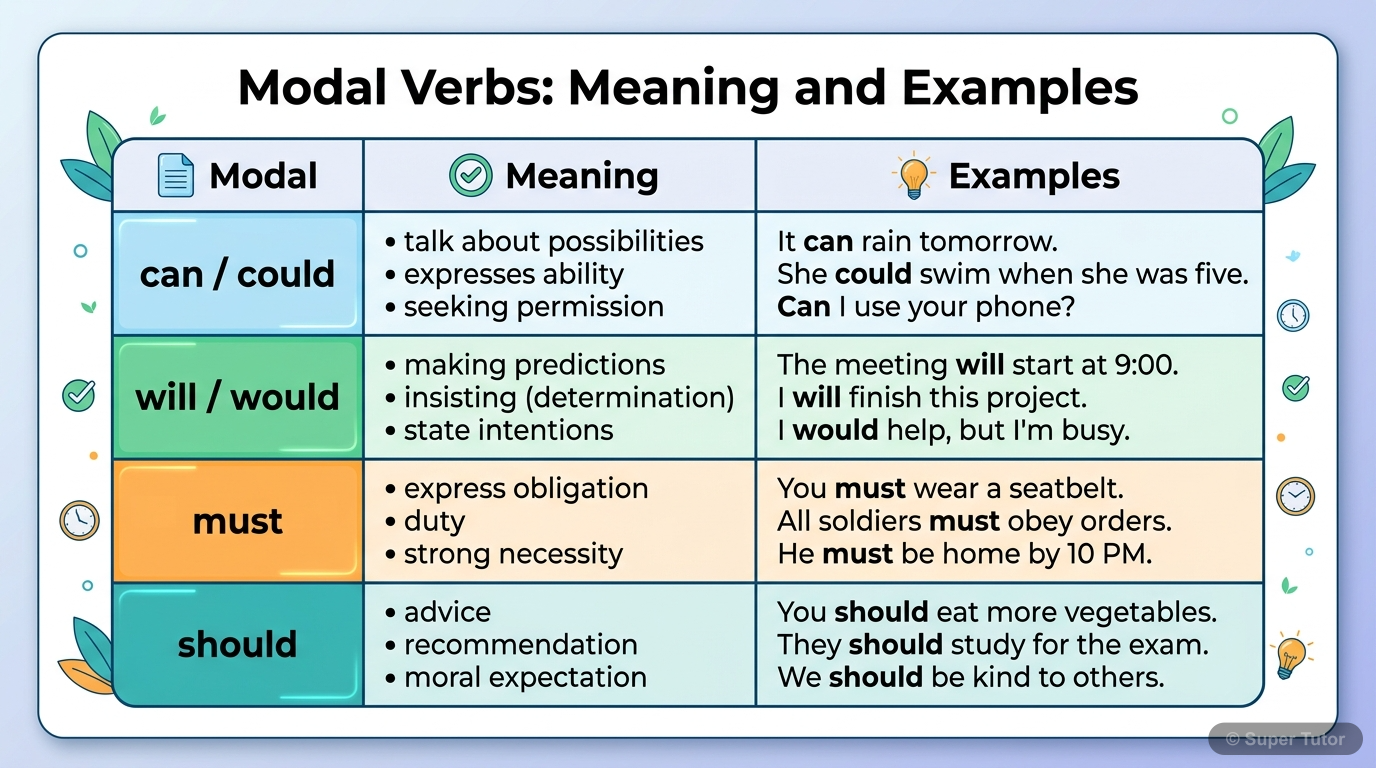
One of 3 illustrations for The Parrot Who Wouldn't Talk in Super Tutor — alongside flashcards, concept maps and practice questions.
Quick Quiz: The Parrot Who Wouldn't Talk
0/4Tap an answer to check it instantly. No sign-up needed for these 4.
Who is the author of 'The Parrot Who Wouldn't Talk'?
What was Aunt Ruby's pet?
Where was the parakeet's cage kept?
Why did the parakeet knock off Aunt Ruby's spectacles?
Sample Questions
Who took care of feeding the parrot after Aunt Ruby became hostile?
Show answer
The ten-year-old nephew (author)
Step 1: The story states, 'It fell upon me, then ten years old, to feed the parrot.' Step 2: This shows that the responsibility shifted to the young narrator after Aunt Ruby became hostile toward the bird. Step 3: The boy developed a caring relationship with the parrot, feeding it green chillies, ripe tomatoes, and mango slices. Step 4: This role reversal is important to the story as it shows the contrast between the boy's kindness and Aunt Ruby's hostility, and sets up the boy's later decision to free the bird.
How did the parrot escape from its cage?
Show answer
The boy deliberately left the cage door open
Step 1: The text clearly states: 'One afternoon, while everyone was indoors enjoying a siesta, I gave the parrot its lunch and then deliberately left the cage door open.' Step 2: The word 'deliberately' shows this was an intentional act by the boy, not an accident. Step 3: The boy chose the time when everyone was resting to ensure his action wouldn't be discovered immediately. Step 4: This deliberate act shows the boy's empathy for the caged bird and his understanding that it deserved freedom, making it a crucial moral decision in the story.
What did the family suggest as a replacement for the escaped parrot?
Show answer
A bowl of goldfish
Step 1: When Aunt Ruby was upset about the escaped parrot and threatened to buy another bird, the family intervened. Step 2: The text states: 'We put her off by promising to buy her a bowl of goldfish.' Step 3: When Aunt Ruby protested that goldfish don't talk, Grandfather cleverly responded that neither did her bird. Step 4: This suggestion shows the family's practical approach to solving the problem while also highlighting the irony that Aunt Ruby's original pet never talked anyway, making the goldfish equally suitable as a non-talking pet.
When the parrot returned, what did it say to Aunt Ruby?
Show answer
'You're no beauty! Can't talk, can't sing, can't dance!'
Step 1: The parrot repeated exactly the same harsh words that Aunt Ruby had said to it when she was frustrated. Step 2: The story states the parrot 'shrieked in my aunt's familiar tones: You're no beauty! Can't talk, can't sing, can't dance!' Step 3: This creates perfect poetic justice - the bird learned to talk, but used Aunt Ruby's own cruel words against her. Step 4: The irony is complete because the parrot did learn to talk (proving Aunt Ruby wrong), but used this ability to mirror her unkindness back to her, teaching her a lesson about treating others with respect.
+41 more questions on The Parrot Who Wouldn't Talk (NIOS Class 10 English)
Practise AllFrequently Asked Questions
What are the important topics in The Parrot Who Wouldn't Talk for NIOS Class 10 English?
How many practice questions are there for The Parrot Who Wouldn't Talk?
Sources & Official References
Content is aligned to the official syllabus. Refer to the board website for the latest curriculum.
More resources for The Parrot Who Wouldn't Talk
Important Questions
Exam-style questions with answers
Revision Notes
Key points for last-minute revision
Chapter Summary
Understand the chapter at a glance
Concept Maps
See how topics connect
Study Plan
Step-by-step plan for this chapter
Flashcards
Quick-fire cards for active recall
Syllabus
What topics to cover
For serious students
Get the full The Parrot Who Wouldn't Talk chapter — start free.
Quizzes, flashcards, an AI doubt solver and a study plan for NIOS Class 10 English. Free to start, no card needed.