Once Upon a Time — Study Plan
NIOS · Class 10 · English
A step-by-step study plan for Once Upon a Time, NIOS Class 10 English: what to learn first, what to practise and when to revise.
Interactive on Super Tutor
Studying Once Upon a Time? Get the full interactive chapter.
Quizzes, flashcards, AI doubt-solver and a step-by-step study plan — built for study plan and more.
Free trial, no card needed.
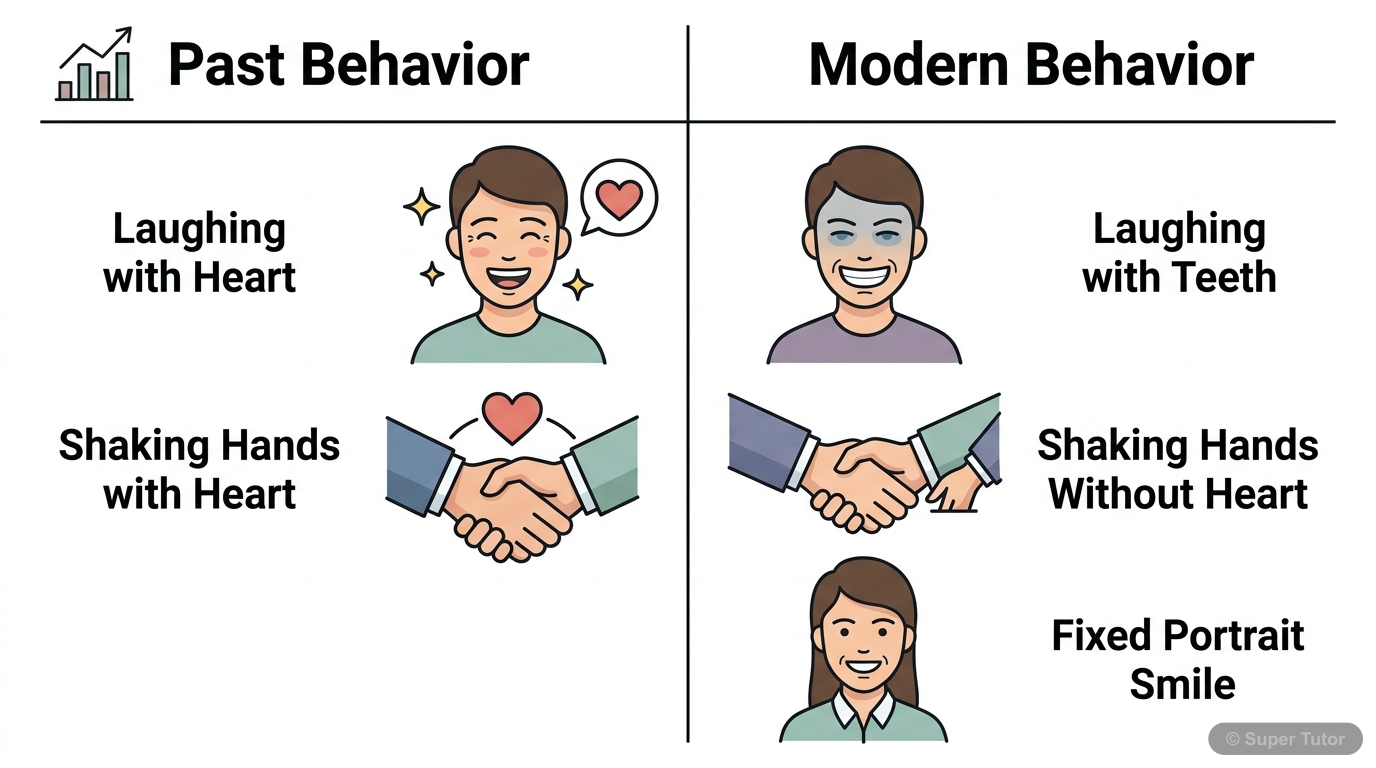
Learn better with visuals Super Tutor pairs illustrations like this with notes and quizzes for Once Upon a Time.
Study Plan
Learn the Theory
Read the textbook chapter carefully. Note down definitions, formulas and key ideas. Focus on: 1. Chapter Overview and Central Idea, 2. Stanza-wise Summary and Meaning, 3. Literary Devices and Poetic Techniques.
Practise
Solve the textbook exercises and extra practice questions. There are 44 questions available for this chapter.
Revise & Test
Revise key points without looking at your notes. Take a practice quiz and mark weak areas for another pass.
Spaced Revision
Come back to Once Upon a Time after a week. Use flashcards for quick recall and try past exam questions on this chapter.
What to Focus On
- The poem is a satire on modern society.
- The speaker is the father/poet, and the child addressed is the son.
- The son represents innocence, honesty, and natural behaviour.
- Childhood is associated with honesty and natural expression.
- Adulthood is associated with social masks and pretence.
- The father feels regret for becoming artificial.
- Modern people often do not mean what they say.
- Social greetings may hide selfish motives.
- Respect can depend on wealth or power.
Common Mistakes to Avoid
The poem is mainly a happy childhood story because it begins with 'Once upon a time'.
'They' refers to the son or to one specific person.
Laughing with the eyes and heart means laughing loudly or smiling widely.
Memory Tips
People in modern times who laugh without feeling
Insincere handshake
Searching the poet's empty pockets
Repeated visits are no longer welcome
Want a personalised study plan?
Super Tutor builds a day-by-day plan for NIOS Class 10 English that fits your exam date and pace.
Create My Study PlanFrequently Asked Questions
What are the important topics in Once Upon a Time for NIOS Class 10 English?
How should I revise Once Upon a Time for the NIOS Class 10 board exam?
Sources & Official References
Content is aligned to the official syllabus. Refer to the board website for the latest curriculum.
More resources for Once Upon a Time
Practice Quiz
Test yourself with a quick quiz
Important Questions
Exam-style questions with answers
Revision Notes
Key points for last-minute revision
Chapter Summary
Understand the chapter at a glance
Concept Maps
See how topics connect
Flashcards
Quick-fire cards for active recall
Syllabus
What topics to cover
For serious students
Get the full Once Upon a Time chapter — start free.
Quizzes, flashcards, an AI doubt solver and a study plan for NIOS Class 10 English. Free to start, no card needed.