Periodic Classification of Elements — Chapter Summary
Tamil Nadu Board · Class 10 · Science
Summary of Periodic Classification of Elements for Tamil Nadu Board Class 10 Science. Part of the Tamil Nadu Board Class 10 Science syllabus.
Interactive on Super Tutor
Studying Periodic Classification of Elements? Get the full interactive chapter.
Quizzes, flashcards, AI doubt-solver and a step-by-step study plan — built for chapter summary and more.
Free trial, no card needed.
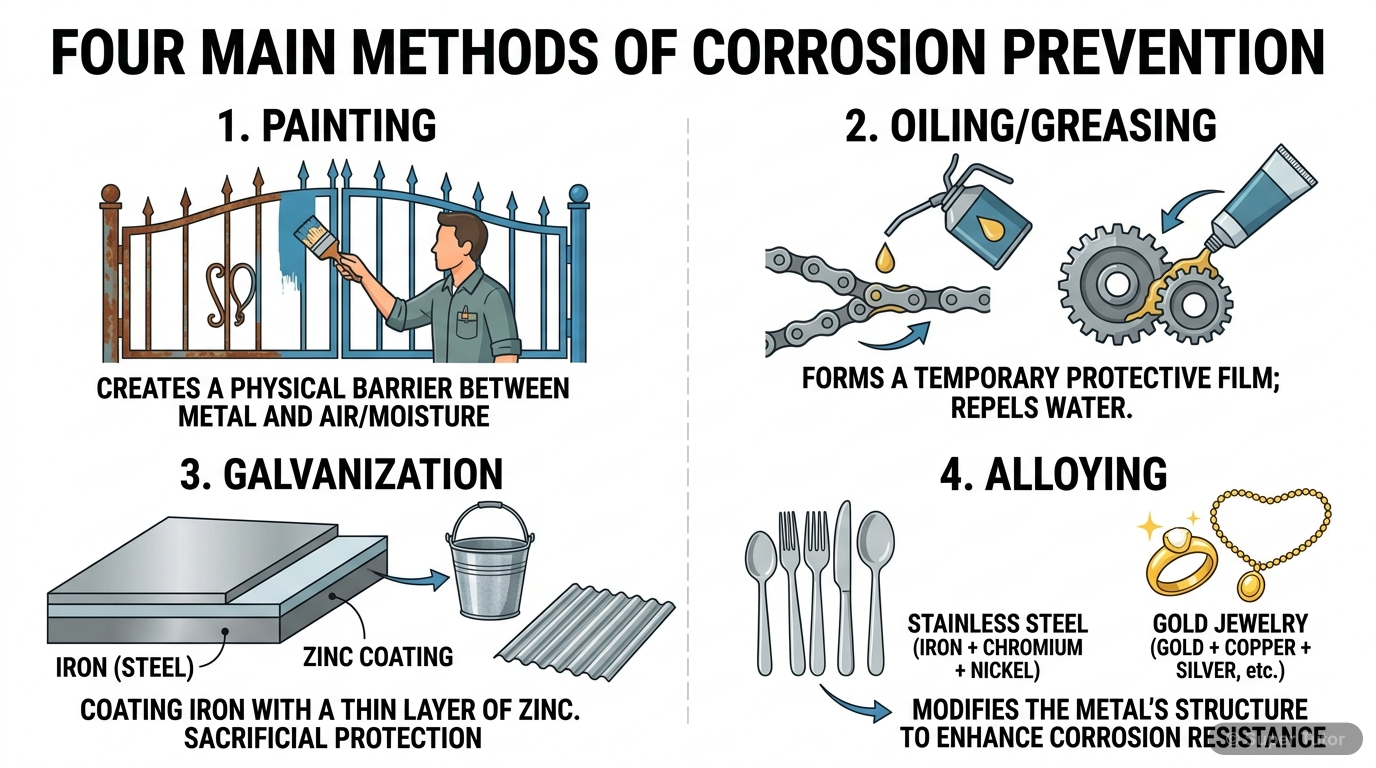
An illustration from Super Tutor's Periodic Classification of Elements chapter — alongside flashcards, concept maps and practice questions.
Overview
The Periodic Classification of Elements is one of the most important concepts in chemistry. It organizes all known elements into a systematic table based on their atomic numbers and recurring chemical properties. This chapter builds upon the foundation of atomic structure and introduces the modern p
Key Concepts
The modern periodic law states
The modern periodic law states that the physical and chemical properties of elements are periodic functions of their atomic numbers. This means that w
Periods are horizontal rows in
Periods are horizontal rows in the periodic table that represent the number of electron shells (or energy levels) in an atom. There are 7 periods: the
Atomic radius is the distance from
Atomic radius is the distance from the nucleus to the outermost electron shell containing valence electrons. Along a period (left to right), atomic ra
Ionization energy is the minimum energy
Ionization energy is the minimum energy required to remove an electron from an isolated gaseous atom to form a cation. It's measured in kJ/mol and ind
Electron affinity is the energy released
Electron affinity is the energy released when an isolated gaseous atom gains an electron to form an anion (A + e⁻ → A⁻ + energy). It measures how read
Learning Objectives
- Understand the development of the modern periodic law and its basis on atomic numbers
- Learn the structure and features of the modern periodic table with 7 periods and 18 groups
- Identify periodic trends in element properties such as atomic radius, ionization energy, and electronegativity
- Distinguish between minerals and ores and understand ore concentration methods
- Study the extraction and properties of important metals like aluminum, copper, and iron
Frequently Asked Questions
What are the important topics in Periodic Classification of Elements for Tamil Nadu Board Class 10 Science?
How should I revise Periodic Classification of Elements for the Tamil Nadu Board Class 10 board exam?
Sources & Official References
Content is aligned to the official syllabus. Refer to the board website for the latest curriculum.
More resources for Periodic Classification of Elements
For serious students
Get the full Periodic Classification of Elements chapter — start free.
Quizzes, flashcards, an AI doubt solver and a study plan for Tamil Nadu Board Class 10 Science. Free to start, no card needed.