Chapter 8 of 10
Revision Notes
Periodic Classification of Elements — Revision Notes
Tamil Nadu Board · Class 10 · Science
Periodic Classification of Elements revision notes for Tamil Nadu Board Class 10 Science: 4 topics in quick points.
45 questions33 flashcards5 concepts
Interactive on Super Tutor
Studying Periodic Classification of Elements? Get the full interactive chapter.
Quizzes, flashcards, AI doubt-solver and a step-by-step study plan — built for revision notes and more.
Free trial, no card needed.
Super Tutor
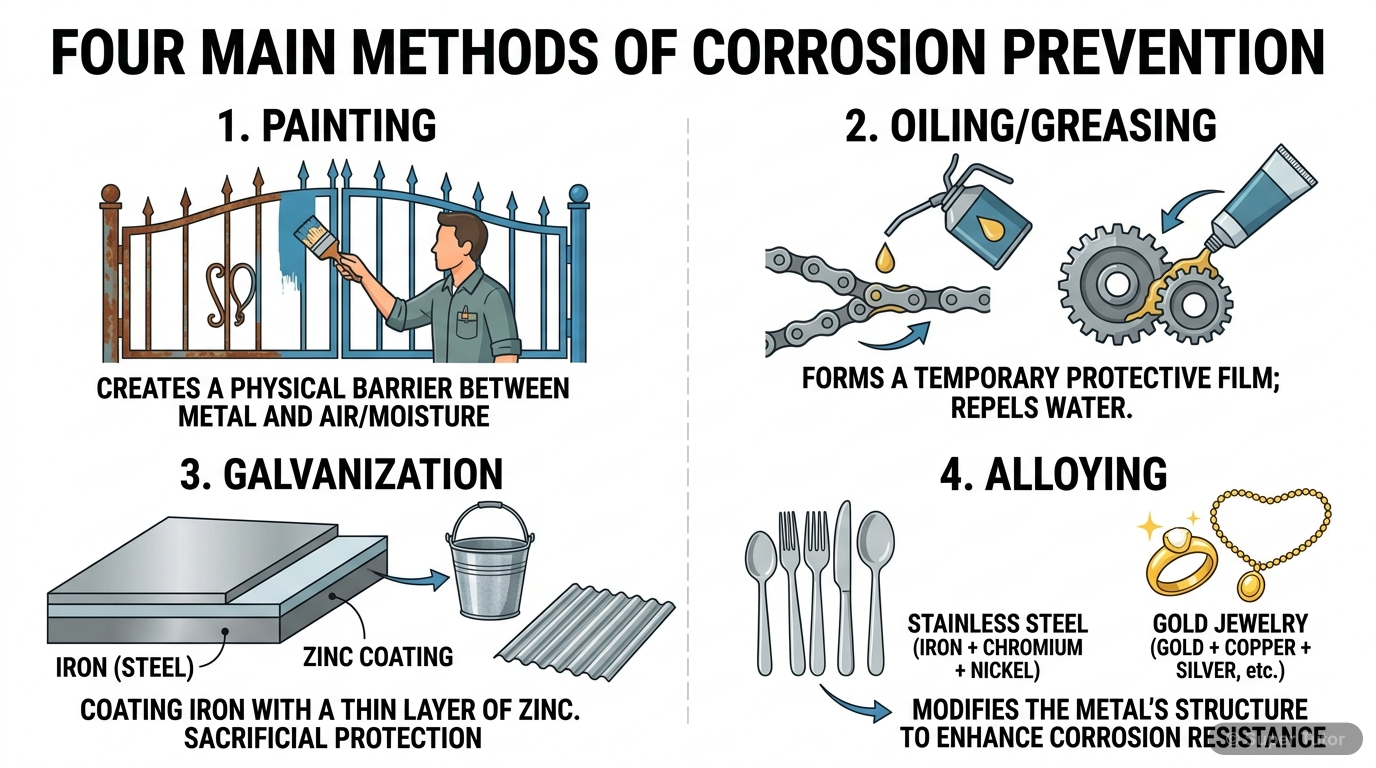
An illustration from Super Tutor's Periodic Classification of Elements chapter — alongside flashcards, concept maps and practice questions.
Key Topics to Revise
1
8.1 Development of Modern Periodic Law
- Mendeleev's periodic table arranged elements by increasing atomic mass but had discrepancies
- Argon (39.95 amu) appears before potassium (39.10 amu) in the modern table, contradicting the atomic mass arrangement
- Henry Moseley discovered atomic number as the fundamental property in 1912
2
8.2 Modern Periodic Table - Structure
- The modern periodic table contains 118 elements arranged in 7 periods (rows) and 18 groups (columns)
- Period 1: 2 elements (H, He) - shortest period
- Periods 2 & 3: 8 elements each - short periods
3
8.3 Periodic Trends in Properties
- Periodicity: Repetition of properties at regular intervals across the periodic table
- Atomic Radius: Distance from nucleus to outermost electron shell
- TREND IN PERIODS: Atomic radius DECREASES from left to right (increased nuclear charge, same number of shells)
4
8.4-8.5 Metallurgy Fundamentals and Ore Classification
- Metallurgy: Science of extracting metals from ores and modifying them into useful forms
- Three main steps in metallurgical processes: (1) Concentration of ore, (2) Production of metal, (3) Refining of metal
- Mineral: Single compound or mixture of metal compounds found naturally in Earth's crust
Get complete notes with diagrams and examples
Full NotesKey Concepts
The modern periodic law statesPeriods are horizontal rows inAtomic radius is the distance fromIonization energy is the minimum energyElectron affinity is the energy released
Frequently Asked Questions
What are the important topics in Periodic Classification of Elements for Tamil Nadu Board Class 10 Science?
Key topics in Periodic Classification of Elements include 1 Development of Modern Periodic Law, 2 Modern Periodic Table - Structure, 3 Periodic Trends in Properties, 4-8.5 Metallurgy Fundamentals and Ore Classification. Study these first, then practise questions on each for the Tamil Nadu Board Class 10 board exam.
How should I revise Periodic Classification of Elements for the Tamil Nadu Board Class 10 board exam?
Learn the core ideas first, then work through the 45 practice questions on Periodic Classification of Elements. Revise definitions regularly and use flashcards for quick recall before the exam.
Sources & Official References
Content is aligned to the official syllabus. Refer to the board website for the latest curriculum.
More resources for Periodic Classification of Elements
For serious students
Get the full Periodic Classification of Elements chapter — start free.
Quizzes, flashcards, an AI doubt solver and a study plan for Tamil Nadu Board Class 10 Science. Free to start, no card needed.