Reproductive System — Chapter Summary
ICSE · Class 10 · Biology
Summary of Reproductive System for ICSE Class 10 Biology. Part of the ICSE Class 10 Biology syllabus. Reproduction is a vital process common to all living.
Interactive on Super Tutor
Studying Reproductive System? Get the full interactive chapter.
Quizzes, flashcards, AI doubt-solver and a step-by-step study plan — built for chapter summary and more.
Free trial, no card needed.
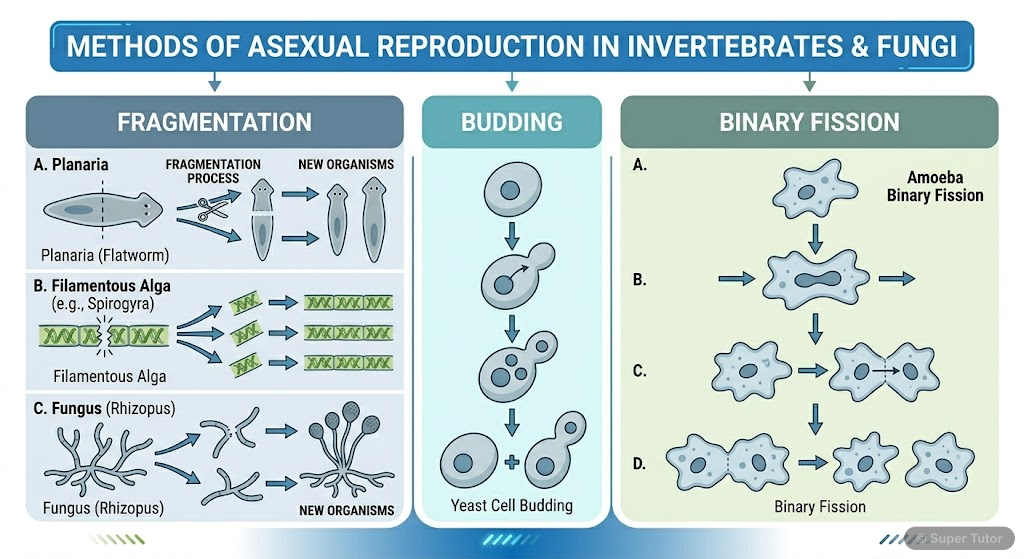
Learn better with visuals Super Tutor pairs illustrations like this with notes and quizzes for Reproductive System.
Get startedOverview
Reproduction is a vital process common to all living organisms. It helps living beings produce individuals of their own kind and continue the species. Human reproduction takes place through specialised reproductive organs, hormones, and a sequence of processes such as gamete formation, fertilization
Key Concepts
Reproduction is the process by
Reproduction is the process by which living organisms produce young ones of their own kind. It ensures continuity of the species and increases the num
Asexual reproduction produces an offspring from
Asexual reproduction produces an offspring from a single organism without the formation of gametes.
Sexual reproduction produces offspring by
Sexual reproduction produces offspring by the formation and fusion of gametes. The male and female gametes unite to form a zygote.
Testis and ovary are the primary
Testis and ovary are the primary reproductive organs, also called gonads. They produce gametes and secrete sex hormones.
Accessory reproductive organs help in
Accessory reproductive organs help in the transfer of gametes, fertilization, and development of the zygote. Examples include vas deferens, fallopian
Learning Objectives
- Understand the meaning and importance of reproduction
- Differentiate between asexual reproduction and sexual reproduction
- Identify the primary and accessory reproductive organs in males and females
- Explain the structure and functions of the male reproductive system
- Explain the structure and functions of the female reproductive system
Frequently Asked Questions
What are the important topics in Reproductive System for ICSE Class 10 Biology?
How should I revise Reproductive System for the ICSE Class 10 board exam?
Sources & Official References
Content is aligned to the official syllabus. Refer to the board website for the latest curriculum.
More resources for Reproductive System
For serious students
Get the full Reproductive System chapter — start free.
Quizzes, flashcards, an AI doubt solver and a study plan for ICSE Class 10 Biology. Free to start, no card needed.