Practical Chemistry — Study Plan
ICSE · Class 10 · Chemistry
A step-by-step study plan for Practical Chemistry, ICSE Class 10 Chemistry: what to learn first, what to practise and when to revise.
Interactive on Super Tutor
Studying Practical Chemistry? Get the full interactive chapter.
Quizzes, flashcards, AI doubt-solver and a step-by-step study plan — built for study plan and more.
Free trial, no card needed.
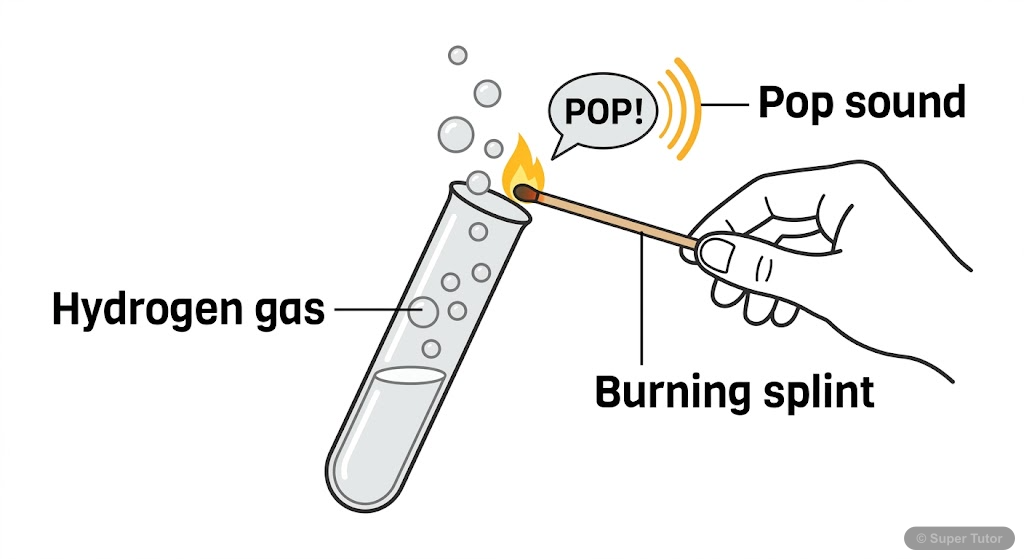
One of 18 illustrations for Practical Chemistry in Super Tutor — alongside flashcards, concept maps and practice questions.
See them allStudy Plan
Learn the Theory
Read the textbook chapter carefully. Note down definitions, formulas and key ideas. Focus on: 1. Basic Ideas in Practical Chemistry, 2. Identification Tests for Gases, 3. Tests for Cations Other Than Alkali Tests.
Practise
Solve the textbook exercises and extra practice questions. There are 44 questions available for this chapter.
Revise & Test
Revise key points without looking at your notes. Take a practice quiz and mark weak areas for another pass.
Spaced Revision
Come back to Practical Chemistry after a week. Use flashcards for quick recall and try past exam questions on this chapter.
What to Focus On
- A salt contains a cation and an anion.
- Original solution means the dissolved sample used for tests.
- Gases are identified by smell, colour, and confirmatory tests.
- Ammonia turns Nessler's reagent brown.
- Carbon dioxide makes lime water milky, but excess gas removes the milkiness.
- Chlorine bleaches litmus and turns starch iodide paper blue black.
- Carbonate salts give brisk effervescence with dilute acid.
- Sulphite salts give SO2 with dilute acid.
- Sulphide salts give H2S with dilute acid.
Common Mistakes to Avoid
Any white precipitate means calcium ion is present.
Ferrous ion and ferric ion can be identified by the same test with KCNS.
Zinc hydroxide and lead hydroxide behave the same way in excess alkali.
Memory Tips
Cation and anion
Original solution O.S.
Ammonium ion test with NaOH and Nessler's reagent
Lead ion tests
Want a personalised study plan?
Super Tutor builds a day-by-day plan for ICSE Class 10 Chemistry that fits your exam date and pace.
Create My Study PlanFrequently Asked Questions
What are the important topics in Practical Chemistry for ICSE Class 10 Chemistry?
How should I revise Practical Chemistry for the ICSE Class 10 board exam?
Sources & Official References
Content is aligned to the official syllabus. Refer to the board website for the latest curriculum.
More resources for Practical Chemistry
Practice Quiz
Test yourself with a quick quiz
Important Questions
Exam-style questions with answers
Revision Notes
Key points for last-minute revision
Chapter Summary
Understand the chapter at a glance
Concept Maps
See how topics connect
Flashcards
Quick-fire cards for active recall
Syllabus
What topics to cover
For serious students
Get the full Practical Chemistry chapter — start free.
Quizzes, flashcards, an AI doubt solver and a study plan for ICSE Class 10 Chemistry. Free to start, no card needed.