Physical Quantities and Measurement — Syllabus
ICSE · Class 8 · Physics
What Physical Quantities and Measurement covers in ICSE Class 8 Physics: 4 topics, for the 2026-27 session. Part of the ICSE Class 8 Physics syllabus.
Interactive on Super Tutor
Studying Physical Quantities and Measurement? Get the full interactive chapter.
Quizzes, flashcards, AI doubt-solver and a step-by-step study plan — built for syllabus and more.
Free trial, no card needed.
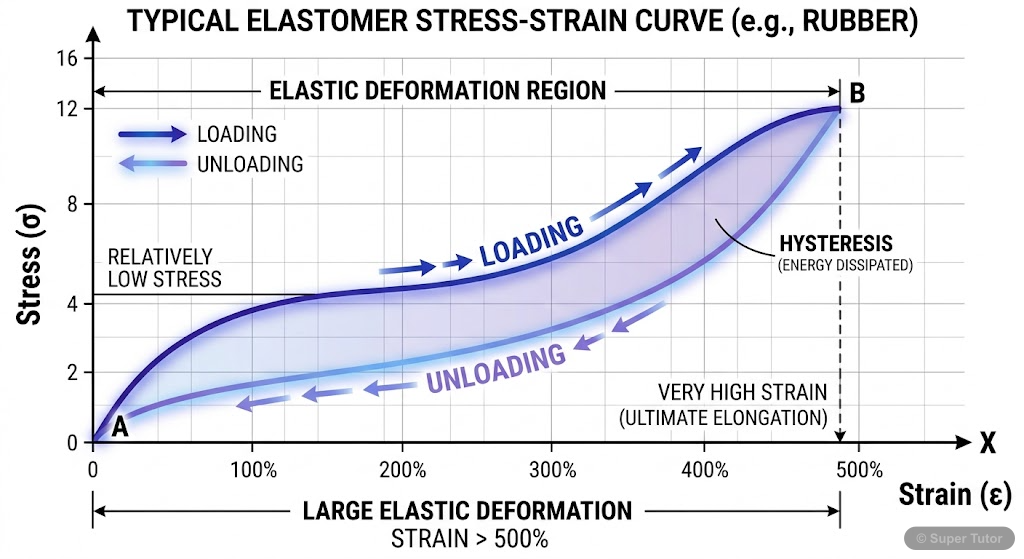
Learn better with visuals Super Tutor pairs illustrations like this with notes and quizzes for Physical Quantities and Measurement.
Topics in Physical Quantities and Measurement
Density and Its Units
- Density is mass per unit volume.
- Density is represented by the symbol d.
- Density does not change with change in shape or size of a substance.
Measurement of Density of Solids and Liquids
- Mass of a regular solid is measured using a beam balance.
- Volume of a cube = (one side)³.
- Volume of a cuboid = length × breadth × height.
Relative Density
- Relative density is the ratio of the density of a substance to the density of water.
- Relative density is represented by R.D.
- Relative density has no unit and no dimension.
Floatation, Buoyant Force, and Applications
- A body in a liquid experiences an upward force called buoyant force or upthrust.
- Buoyant force equals the weight of the liquid displaced by the immersed part of the body.
- Buoyant force depends on the volume of the body immersed and the density of the liquid.
Key Concepts
Central concept: Measurement of density, relative density, and floatation in solids and liquids
Work through every topic in Physical Quantities and Measurement with notes and quizzes
Start This ChapterFrequently Asked Questions
What are the important topics in Physical Quantities and Measurement for ICSE Class 8 Physics?
How should I revise Physical Quantities and Measurement for Class 8 exams?
Sources & Official References
Content is aligned to the official syllabus. Refer to the board website for the latest curriculum.
More resources for Physical Quantities and Measurement
Practice Quiz
Test yourself with a quick quiz
Important Questions
Exam-style questions with answers
Revision Notes
Key points for last-minute revision
Formula Sheet
The chapter's formulas in one place
Chapter Summary
Understand the chapter at a glance
Concept Maps
See how topics connect
Study Plan
Step-by-step plan for this chapter
Flashcards
Quick-fire cards for active recall
For serious students
Get the full Physical Quantities and Measurement chapter — start free.
Quizzes, flashcards, an AI doubt solver and a study plan for ICSE Class 8 Physics. Free to start, no card needed.