Chapter 2 of 14
Concept Maps
Alternative Dispute Resolution in India (ADR) — Concept Maps
CBSE · Class 12 · Legal Studies
4 concept maps of Alternative Dispute Resolution in India (ADR) for CBSE Class 12 Legal Studies, each also written out as a text outline.
5 concepts
Interactive on Super Tutor
Studying Alternative Dispute Resolution in India (ADR)? Get the full interactive chapter.
Quizzes, flashcards, AI doubt-solver and a step-by-step study plan — built for concept maps and more.
Free trial, no card needed.
Super Tutor
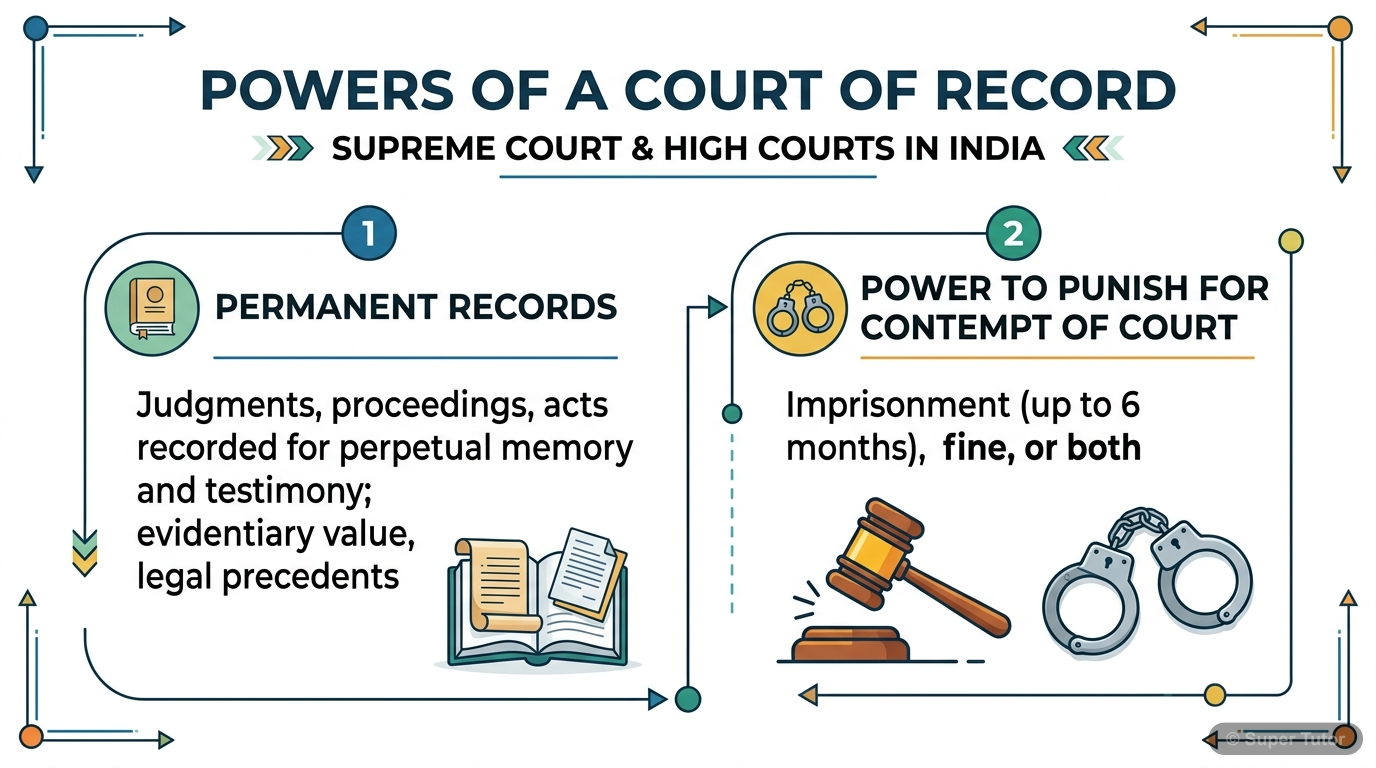
Learn better with visuals Super Tutor pairs illustrations like this with notes and quizzes for Alternative Dispute Resolution in India (ADR).
4 Concept Maps
ADR Ecosystem in India
The map in words
- Alternative Dispute Resolution
- Traditional Systems
- Panchayats
- Nyaya Panchayat
- Vedic Tribunals
- Kula
- Shreni
- Puga
- Modern ADR
- Arbitration
- Domestic
- International
- Ad-hoc
- Institutional
- Mediation
- Evaluative
- Facilitative
- Transformative
- Conciliation
- Industrial Disputes
- Civil Matters
- Lok Adalat
- Motor Accidents
- Family Disputes
- Banking Recovery
- Arbitration
- Specialized Bodies
- Ombudsman
- Banking
- Insurance
- CVC
- Anti-corruption
- Lokpal
- Lokayukta
- Ombudsman
- Legal Framework
- Arbitration Act 1996
- Section 89 CPC
- Legal Services Act 1987
- Lokpal Act 2013
- Traditional Systems
Comprehensive Overview of ADR in India
The map in words
- ADR in India
- Historical Background
- Ancient Panchayats
- Vedic Tribunals
- Colonial Courts
- Modern Evolution
- Legal Framework
- Arbitration Act 1996
- Legal Services Act 1987
- Section 89 CPC
- Industrial Disputes Act
- Types of ADR
- Arbitration
- Domestic
- International
- Ad-hoc
- Institutional
- Mediation
- Evaluative
- Facilitative
- Transformative
- Conciliation
- Lok Adalat
- Ombudsman
- Banking
- Insurance
- Lokpal
- Lokayukta
- Arbitration
- Benefits
- Cost Effective
- Time Saving
- Confidential
- Expert Resolution
- Relationship Preserving
- Historical Background
Alternative Dispute Resolution in India - Complete Concept Map
The map in words
- ADR in India
- Legal System Models
- Adversarial System
- Judge as Decision Maker
- Lawyer Driven Process
- Cross Examination
- Common Law Countries
- Inquisitorial System
- Judge as Investigator
- Active Judicial Role
- Continental Europe Model
- Less Lawyer Dependency
- Adversarial System
- Core ADR Methods
- Arbitration
- Binding Awards
- Private Adjudication
- Expert Arbitrators
- Confidential Process
- Mediation
- Facilitative Process
- Non Binding
- Neutral Third Party
- Voluntary Agreement
- Conciliation
- Interventionist Approach
- Settlement Suggestions
- Written Agreements
- Binding Outcomes
- Lok Adalat
- People's Court
- No Court Fees
- Traditional Concept
- Binding Decisions
- Arbitration
- Ombudsman System
- Lokpal
- National Level
- Anti Corruption
- Prime Minister Included
- Independent Body
- Lokayukta
- State Level
- Public Servants
- Investigation Powers
- Prosecution Wing
- Banking Ombudsman
- RBI Appointed
- Customer Complaints
- Banking Services
- Expeditious Forum
- Insurance Ombudsman
- Policy Disputes
- Claim Settlement
- Regulatory Body
- Consumer Protection
- Lokpal
- Legal Framework
- Arbitration Act 1996
- UNCITRAL Model
- Domestic and International
- Enforcement Provisions
- Amendment 2015
- Section 89 CPC
- Court Referrals
- Judicial Settlement
- Case Disposal
- Backlog Reduction
- Legal Services Authority Act
- Lok Adalat Framework
- Free Legal Aid
- Alternative Forums
- Access to Justice
- Arbitration Act 1996
- Benefits
- Cost Effective
- Time Saving
- Confidential
- Expert Knowledge
- Flexible Procedures
- Relationship Preservation
- Legal System Models
Alternative Dispute Resolution (ADR) provides non-adversarial, cost-effective, and time-efficient mechanisms for resolving disputes outside traditional court systems, including arbitration, mediation, conciliation, Lok Adalat, and various ombudsman institutions.
The map in words
- Alternative Dispute Resolution (ADR) provides non-adversarial, cost-effective, and time-efficient mechanisms for resolving disputes outside traditional court systems, including arbitration, mediation, conciliation, Lok Adalat, and various ombudsman institutions.
- Legal System Models
- Core ADR Methods
- Arbitration Framework
- Mediation and Conciliation
- Indigenous ADR Systems
- Ombudsman Institutions
- Legal Framework and Legislation
- Benefits and Advantages
Explore these maps interactively
Explore DiagramsFrequently Asked Questions
What are the important topics in Alternative Dispute Resolution in India (ADR) for CBSE Class 12 Legal Studies?
Key topics in Alternative Dispute Resolution in India (ADR) include Adversarial vs Inquisitorial Systems, Introduction to ADR and Court Problems, Benefits and Types of ADR, Arbitration. Study these first, then practise questions on each for the CBSE Class 12 board exam.
What do the concept maps for Alternative Dispute Resolution in India (ADR) show?
The 4 maps show how the ideas in Alternative Dispute Resolution in India (ADR) connect: ADR Ecosystem in India; Comprehensive Overview of ADR in India. Each map is also written out as an outline on this page.
Sources & Official References
- NCERT Official — ncert.nic.in
- CBSE Academic — cbseacademic.nic.in
- CBSE Official — cbse.gov.in
- National Education Policy 2020 — education.gov.in
Content is aligned to the official syllabus. Refer to the board website for the latest curriculum.
More resources for Alternative Dispute Resolution in India (ADR)
For serious students
Get the full Alternative Dispute Resolution in India (ADR) chapter — start free.
Quizzes, flashcards, an AI doubt solver and a study plan for CBSE Class 12 Legal Studies. Free to start, no card needed.