Alternative Dispute Resolution in India (ADR) — Study Plan
CBSE · Class 12 · Legal Studies
A step-by-step study plan for Alternative Dispute Resolution in India (ADR), CBSE Class 12 Legal Studies: what to learn first, what to practise and when.
Interactive on Super Tutor
Studying Alternative Dispute Resolution in India (ADR)? Get the full interactive chapter.
Quizzes, flashcards, AI doubt-solver and a step-by-step study plan — built for study plan and more.
Free trial, no card needed.
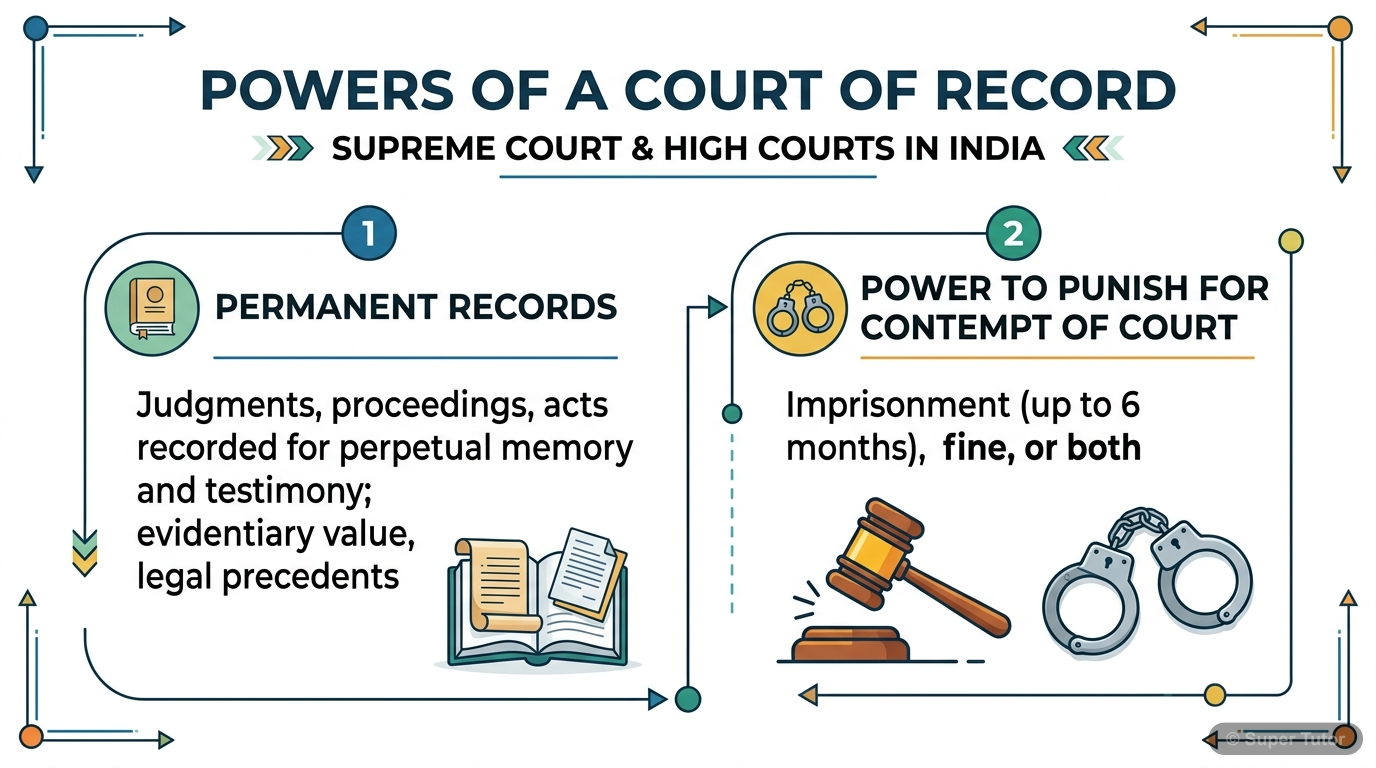
Learn better with visuals Super Tutor pairs illustrations like this with notes and quizzes for Alternative Dispute Resolution in India (ADR).
Study Plan
Learn the Theory
Read the textbook chapter carefully. Note down definitions, formulas and key ideas. Focus on: Adversarial vs Inquisitorial Systems, Introduction to ADR and Court Problems, Benefits and Types of ADR.
Practise
Solve the textbook exercises and extra practice questions.
Revise & Test
Revise key points without looking at your notes. Take a practice quiz and mark weak areas for another pass.
Spaced Revision
Come back to Alternative Dispute Resolution in India (ADR) after a week. Use flashcards for quick recall and try past exam questions on this chapter.
What to Focus On
- Adversarial system relies on party presentation of evidence
- Inquisitorial system features active judicial involvement
- India follows the adversarial model inherited from British colonial system
- Adversarial system faces challenges of cost and accessibility
- Inquisitorial system ensures equality but may compromise neutrality
- Both systems have trade-offs between efficiency and fairness
- ADR represents a return to India's traditional dispute resolution methods
- Modern ADR combines ancient wisdom with contemporary legal framework
- Statutory recognition through multiple legislative enactments
Common Mistakes to Avoid
Arbitration and mediation are the same thing because both involve a neutral third party
All ADR methods are always faster and cheaper than court litigation
Lok Adalat decisions are always binding on parties
Memory Tips
Adversarial vs Inquisitorial Systems
ADR Types - AMLOT
Benefits of ADR - 5 C's
Arbitration Process Steps
Want a personalised study plan?
Super Tutor builds a day-by-day plan for CBSE Class 12 Legal Studies that fits your exam date and pace.
Create My Study PlanFrequently Asked Questions
What are the important topics in Alternative Dispute Resolution in India (ADR) for CBSE Class 12 Legal Studies?
Sources & Official References
- NCERT Official — ncert.nic.in
- CBSE Academic — cbseacademic.nic.in
- CBSE Official — cbse.gov.in
- National Education Policy 2020 — education.gov.in
Content is aligned to the official syllabus. Refer to the board website for the latest curriculum.
More resources for Alternative Dispute Resolution in India (ADR)
For serious students
Get the full Alternative Dispute Resolution in India (ADR) chapter — start free.
Quizzes, flashcards, an AI doubt solver and a study plan for CBSE Class 12 Legal Studies. Free to start, no card needed.