Cell :The Building Block of Life — Flashcards
CBSE · Class 9 · Science
90 flashcards for Cell :The Building Block of Life (CBSE Class 9 Science) to test yourself on key terms and facts. Sample: "कोशिका क्या है?"
Interactive on Super Tutor
Studying Cell :The Building Block of Life? Get the full interactive chapter.
Quizzes, flashcards, AI doubt-solver and a step-by-step study plan — built for flashcards and more.
Free trial, no card needed.
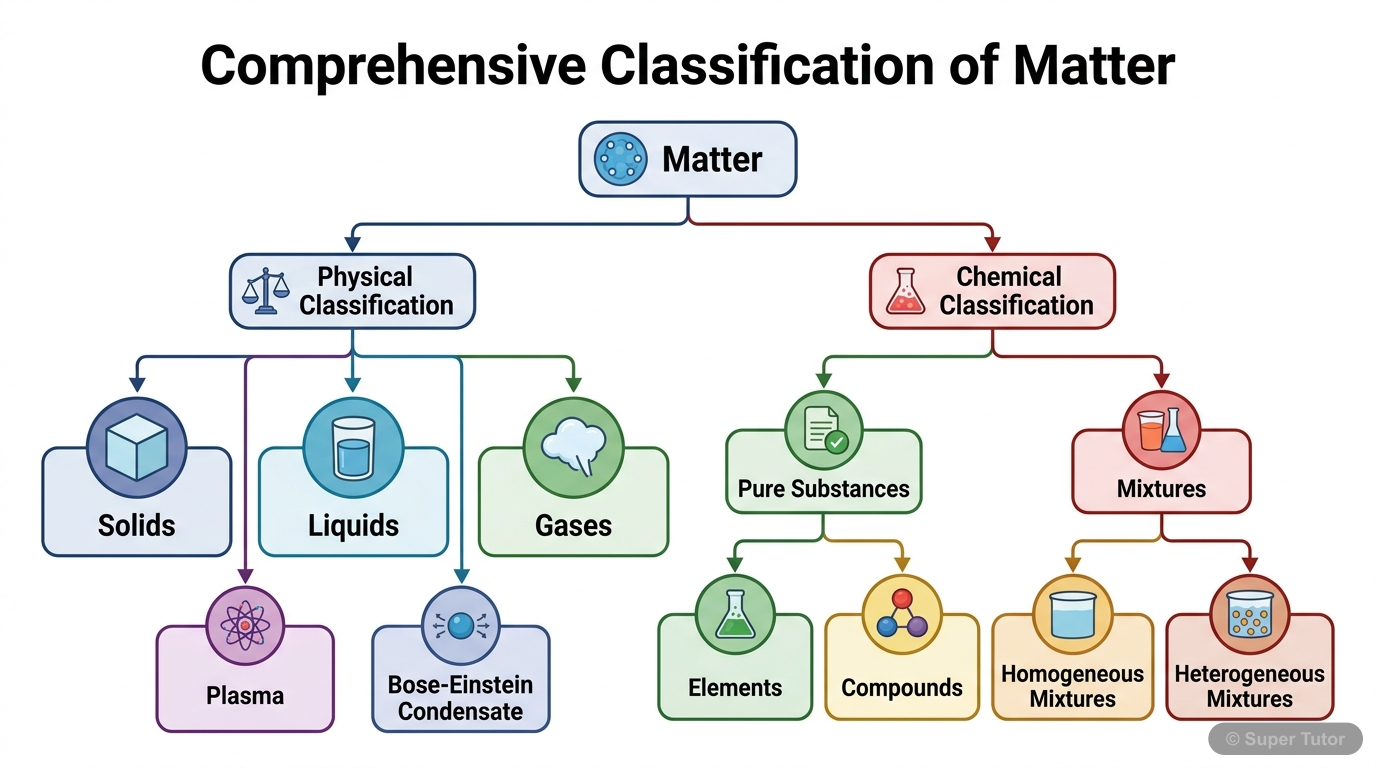
Learn better with visuals Super Tutor pairs illustrations like this with notes and quizzes for Cell :The Building Block of Life.
कोशिका क्या है?
Answer
कोशिका सभी जीवों में संरचना और कार्य की मूल इकाई है। कुछ जीवों में केवल एक कोशिका होती है, जबकि अन्य में कई कोशिकाएँ एक साथ काम करती हैं।…
What is a cell?
Answer
A cell is the basic unit of structure and function in all living organisms. Some organisms have only one cell, while others have many cells working together.
Why is the cell called the basic unit of life?
Answer
All living organisms are made of cells, and all life processes happen inside cells. Tissues, organs, and organ systems are all built from cells.
कोशिका को जीवन की मूल इकाई क्यों कहा जाता है?
Answer
सभी जीव कोशिकों से बने होते हैं और सभी जीवन क्रियाएँ कोशिकाओं के अन्दर ही होती हैं। ऊतक, अंग और अंग-तंत्र सभी कोशिकाओं से ही बनते हैं।…
कोशिकाएँ आम तौर पर नग्न आंखों से क्यों दिखाई नहीं देती हैं?
Answer
मानव नेत्र की विभेदन सीमा 0.1 mm पर 25 cm है। अधिकांश कोशिकाएं इससे बहुत छोटी होती हैं, इसलिए उन्हें स्पष्ट रूप से देखने के लिए एक सूक्ष्मदर्शी की आवश्यकता होती है।…
Why are cells usually not visible to the naked eye?
Answer
The limit of resolution of the human eye is 0.1 mm at 25 cm. Most cells are much smaller than this, so a microscope is needed to see them clearly.
What did Robert Hooke observe in 1665?
Answer
Robert Hooke observed box-like compartments in cork using a self-designed microscope of about 200 to 300X magnification and named them cells.
1665 में रॉबर्ट हुक ने क्या देखा?
Answer
रॉबर्ट हुक ने लगभग 200 से 300 गुना आवर्धन वाले स्व-निर्मित सूक्ष्मदर्शी का उपयोग करके कॉर्क में डिब्बे जैसे डिब्बों का अवलोकन किया और उन्हें कोशिकाएँ नाम दिया।…
+82 more flashcards
Practise AllFrequently Asked Questions
What are the important topics in Cell :The Building Block of Life for CBSE Class 9 Science?
How many flashcards are available for Cell :The Building Block of Life?
How should I revise Cell :The Building Block of Life for Class 9 exams?
Sources & Official References
- NCERT Official — ncert.nic.in
- CBSE Academic — cbseacademic.nic.in
- CBSE Official — cbse.gov.in
- National Education Policy 2020 — education.gov.in
Content is aligned to the official syllabus. Refer to the board website for the latest curriculum.
More resources for Cell :The Building Block of Life
Practice Quiz
Test yourself with a quick quiz
Important Questions
Exam-style questions with answers
Revision Notes
Key points for last-minute revision
Formula Sheet
The chapter's formulas in one place
Chapter Summary
Understand the chapter at a glance
Concept Maps
See how topics connect
Study Plan
Step-by-step plan for this chapter
Syllabus
What topics to cover
NCERT Solutions
Every textbook question solved step by step
For serious students
Get the full Cell :The Building Block of Life chapter — start free.
Quizzes, flashcards, an AI doubt solver and a study plan for CBSE Class 9 Science. Free to start, no card needed.