Manufacturing Industries in India - I: Agro-based — Practice Quiz
ICSE · Class 10 · Geography
Try a 4-question quiz on Manufacturing Industries in India - I: Agro-based for ICSE Class 10 Geography: tap an answer to check it and see why.
Interactive on Super Tutor
Studying Manufacturing Industries in India - I: Agro-based? Get the full interactive chapter.
Quizzes, flashcards, AI doubt-solver and a step-by-step study plan — built for practice quiz and more.
Free trial, no card needed.
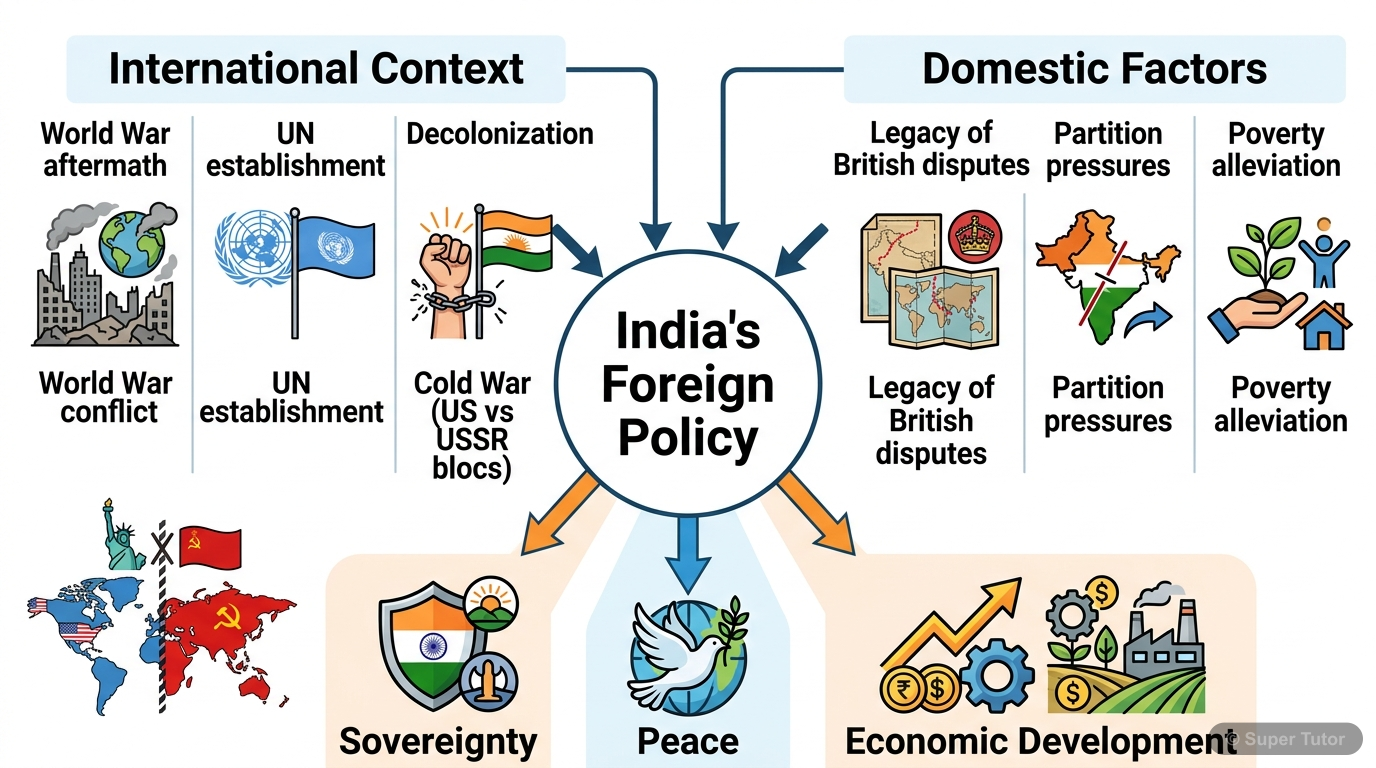
Learn better with visuals Super Tutor pairs illustrations like this with notes and quizzes for Manufacturing Industries in India - I: Agro-based.
Get startedQuick Quiz: Manufacturing Industries in India - I: Agro-based
0/4Tap an answer to check it instantly. No sign-up needed for these 4.
Which industry is considered the oldest among modern manufacturing industries in India?
What is sericulture?
Which silkworm species is used for mulberry silk production?
Bagasse is a by-product of which industry?
Sample Questions
Mumbai is called the 'Cottonopolis of India' because of which factors?
Show answer
Black cotton soil in hinterland, Humid climate ideal for cotton threads, International port facilities, Cheap hydroelectric power from Western Ghats
Mumbai's cotton textile industry developed due to multiple favorable factors: black cotton soil providing raw materials, humid climate preventing thread breakage, port facilities for import-export, and cheap hydroelectric power. Coal is not a major factor for cotton textiles.
Karnataka is the leading silk-producing state in India.
Show answer
True
Karnataka is indeed the foremost silk-producing state of India, accounting for 70% of the country's silk production. It produces only mulberry silk with important centers in Mysuru, Bengaluru, and Kolar.
Why do sugar mills need to be located within 25 km of sugarcane fields?
Show answer
Because sugarcane is perishable and must be processed within 24 hours
Sugarcane is a perishable crop that must be crushed within 24 hours of cutting, otherwise its sucrose content reduces. This makes it necessary to locate sugar mills close to sugarcane-growing areas to minimize transportation time.
Which of the following are by-products of the sugar industry?
Show answer
Molasses, Bagasse, Press mud
The three main by-products of sugar industry are molasses (used for alcohol and fertilizers), bagasse (used for paper), and press mud (used for wax and fertilizers). Cotton fiber and silk cocoons are not sugar industry by-products.
+37 more questions on Manufacturing Industries in India - I: Agro-based (ICSE Class 10 Geography)
Practise AllFrequently Asked Questions
What are the important topics in Manufacturing Industries in India - I: Agro-based for ICSE Class 10 Geography?
How many practice questions are there for Manufacturing Industries in India - I: Agro-based?
Sources & Official References
Content is aligned to the official syllabus. Refer to the board website for the latest curriculum.
More resources for Manufacturing Industries in India - I: Agro-based
Important Questions
Exam-style questions with answers
Revision Notes
Key points for last-minute revision
Chapter Summary
Understand the chapter at a glance
Concept Maps
See how topics connect
Study Plan
Step-by-step plan for this chapter
Flashcards
Quick-fire cards for active recall
Syllabus
What topics to cover
For serious students
Get the full Manufacturing Industries in India - I: Agro-based chapter — start free.
Quizzes, flashcards, an AI doubt solver and a study plan for ICSE Class 10 Geography. Free to start, no card needed.