Kinship, Caste and Class (Early Societies) (c. 600 BCE-600 CE) — Concept Maps
Madhya Pradesh Board · Class 12 · History
A concept map of Kinship, Caste and Class (Early Societies) (c. 600 BCE-600 CE) for Madhya Pradesh Board Class 12 History, also written out as a text.
Interactive on Super Tutor
Studying Kinship, Caste and Class (Early Societies) (c. 600 BCE-600 CE)? Get the full interactive chapter.
Quizzes, flashcards, AI doubt-solver and a step-by-step study plan — built for concept maps and more.
Free trial, no card needed.
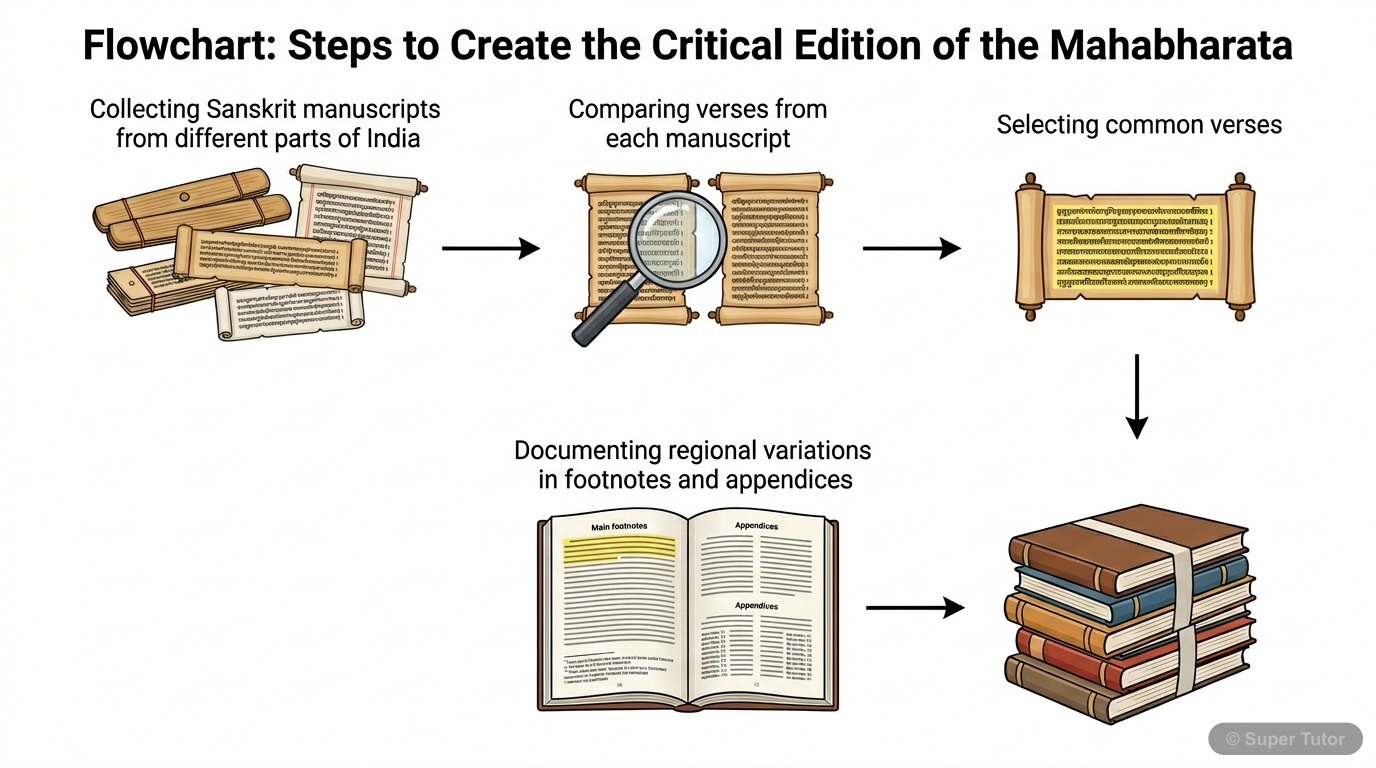
One of 16 illustrations for Kinship, Caste and Class (Early Societies) (c. 600 BCE-600 CE) in Super Tutor — alongside flashcards, concept maps and practice questions.
Social organisation in early India through kinship, marriage, caste, class, property, and textual traditions
The map in words
- Social organisation in early India through kinship, marriage, caste, class, property, and textual traditions
- Mahabharata
- Critical Edition of the Mahabharata
- Kinship terms
- Patriliny and succession
- Marriage rules
- Draupadi and polyandry
- Gotra
- Satavahanas
Explore these maps interactively
Explore DiagramsFrequently Asked Questions
What are the important topics in Kinship, Caste and Class (Early Societies) (c. 600 BCE-600 CE) for Madhya Pradesh Board Class 12 History?
What do the concept maps for Kinship, Caste and Class (Early Societies) (c. 600 BCE-600 CE) show?
How should I revise Kinship, Caste and Class (Early Societies) (c. 600 BCE-600 CE) for the Madhya Pradesh Board Class 12 board exam?
Sources & Official References
Content is aligned to the official syllabus. Refer to the board website for the latest curriculum.
More resources for Kinship, Caste and Class (Early Societies) (c. 600 BCE-600 CE)
Practice Quiz
Test yourself with a quick quiz
Important Questions
Exam-style questions with answers
Revision Notes
Key points for last-minute revision
Chapter Summary
Understand the chapter at a glance
Study Plan
Step-by-step plan for this chapter
Flashcards
Quick-fire cards for active recall
Syllabus
What topics to cover
NCERT Solutions
Every textbook question solved step by step
For serious students
Get the full Kinship, Caste and Class (Early Societies) (c. 600 BCE-600 CE) chapter — start free.
Quizzes, flashcards, an AI doubt solver and a study plan for Madhya Pradesh Board Class 12 History. Free to start, no card needed.