Kinship, Caste and Class (Early Societies) (c. 600 BCE-600 CE) — Important Questions
Madhya Pradesh Board · Class 12 · History
32 important questions from Kinship, Caste and Class (Early Societies) (c. 600 BCE-600 CE) for Madhya Pradesh Board Class 12 History, with answers.
Interactive on Super Tutor
Studying Kinship, Caste and Class (Early Societies) (c. 600 BCE-600 CE)? Get the full interactive chapter.
Quizzes, flashcards, AI doubt-solver and a step-by-step study plan — built for important questions and more.
Free trial, no card needed.
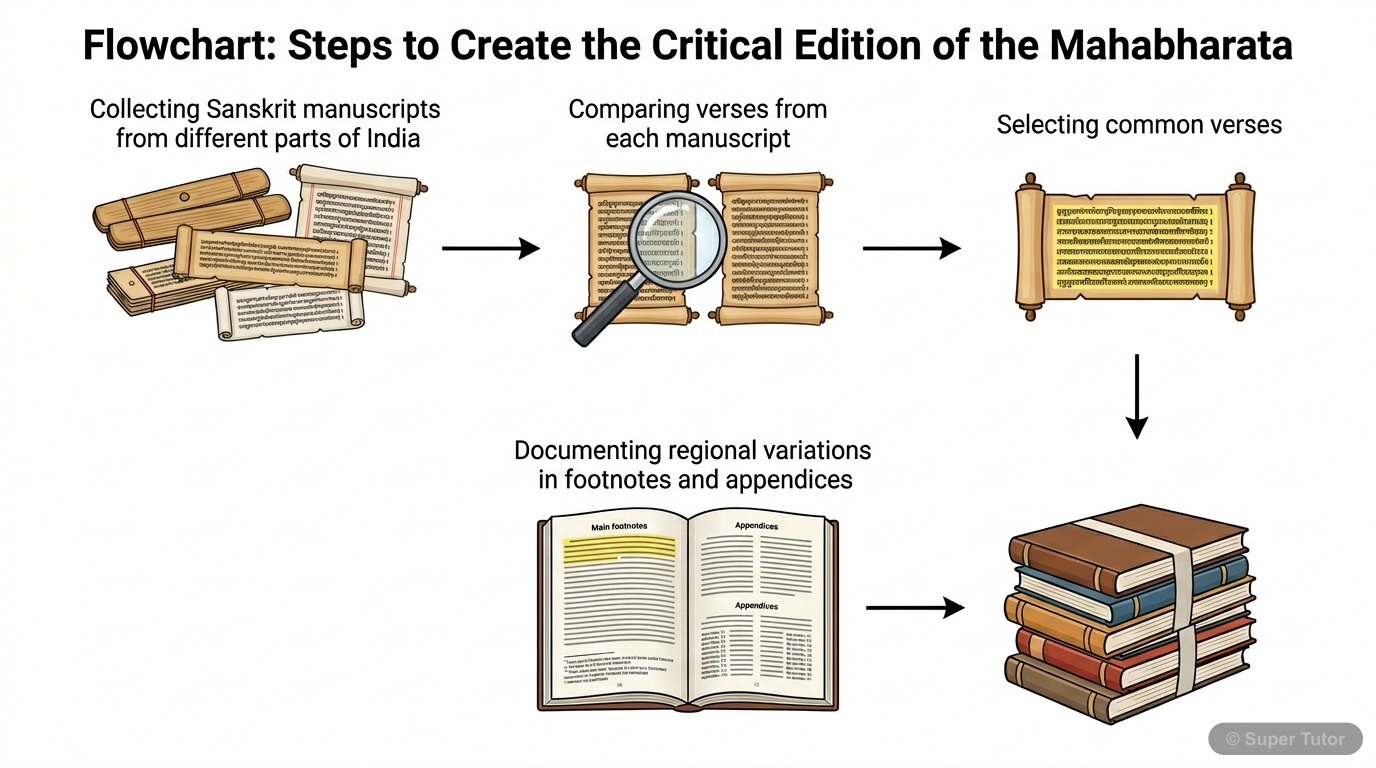
One of 16 illustrations for Kinship, Caste and Class (Early Societies) (c. 600 BCE-600 CE) in Super Tutor — alongside flashcards, concept maps and practice questions.
Important Questions from Kinship, Caste and Class (Early Societies) (c. 600 BCE-600 CE)
Which of the following were recognized occupations for Brahmanas according to the Dharmasutras? (Select all correct answers)
Show answer
Study and teach the Vedas, Perform sacrifices, Give and receive gifts
According to the Dharmasutras, Brahmanas were supposed to study and teach the Vedas, perform sacrifices and get sacrifices performed, and give and receive gifts. Warfare was assigned to Kshatriyas, while trade was for Vaishyas.
Which of the following rules were associated with the gotra system? (Select all correct answers)
Show answer
Women adopted their husband's gotra after marriage, Members of the same gotra could not marry, Gotra names were derived from Vedic seers
The gotra system had two main rules: women were expected to give up their father's gotra and adopt their husband's gotra after marriage, and members of the same gotra could not marry. Each gotra was named after a Vedic seer.
The Satavahana rulers were identified through which naming system?
Show answer
Metronymics (mother's name)
Satavahana rulers were identified through metronymics - names derived from their mothers. Examples include Gotami-puta (son of Gotami) and Vasathi-puta (son of Vasathi), showing the importance of mothers in their naming system.
What was stridhana in ancient Indian society?
Show answer
A woman's personal wealth
Stridhana literally means 'a woman's wealth' and referred to gifts that women received on the occasion of their marriage. This could be inherited by their children without the husband having any claim on it.
+28 more questions on Kinship, Caste and Class (Early Societies) (c. 600 BCE-600 CE) (Madhya Pradesh Board Class 12 History)
Practise AllFrequently Asked Questions
What are the important topics in Kinship, Caste and Class (Early Societies) (c. 600 BCE-600 CE) for Madhya Pradesh Board Class 12 History?
How many important questions are there in Kinship, Caste and Class (Early Societies) (c. 600 BCE-600 CE)?
Sources & Official References
Content is aligned to the official syllabus. Refer to the board website for the latest curriculum.
More resources for Kinship, Caste and Class (Early Societies) (c. 600 BCE-600 CE)
Practice Quiz
Test yourself with a quick quiz
Revision Notes
Key points for last-minute revision
Chapter Summary
Understand the chapter at a glance
Concept Maps
See how topics connect
Study Plan
Step-by-step plan for this chapter
Flashcards
Quick-fire cards for active recall
Syllabus
What topics to cover
NCERT Solutions
Every textbook question solved step by step
For serious students
Get the full Kinship, Caste and Class (Early Societies) (c. 600 BCE-600 CE) chapter — start free.
Quizzes, flashcards, an AI doubt solver and a study plan for Madhya Pradesh Board Class 12 History. Free to start, no card needed.