Chapter 4 of 5
Concept Maps
Chemical Bonding and Molecular Structure — Concept Maps
Punjab Board · Class 11 · Chemistry
3 concept maps of Chemical Bonding and Molecular Structure for Punjab Board Class 11 Chemistry, each also written out as a text outline.
44 questions40 flashcards
Interactive on Super Tutor
Studying Chemical Bonding and Molecular Structure? Get the full interactive chapter.
Quizzes, flashcards, AI doubt-solver and a step-by-step study plan — built for concept maps and more.
Free trial, no card needed.
Super Tutor
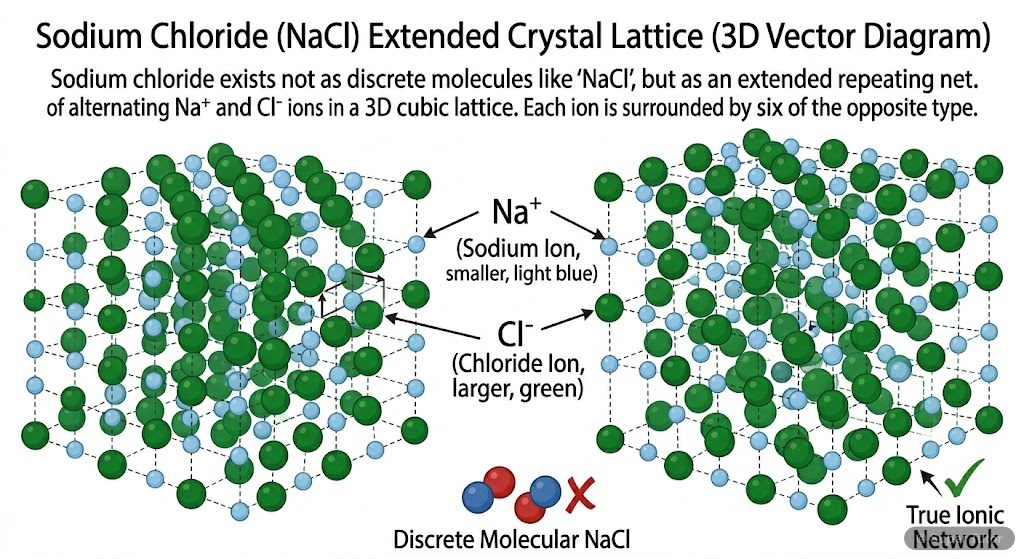
One of 17 illustrations for Chemical Bonding and Molecular Structure in Super Tutor — alongside flashcards, concept maps and practice questions.
3 Concept Maps
Mind map showing the key concepts of the Kössel-Lewis approach to chemical bonding
The map in words
- Kössel-Lewis Approach
- Noble Gas Stability
- Inert gases highly stable
- Complete valence shell
- 8 electrons octet rule
- Electron Transfer
- Lose electrons
- Gain electrons
- Ionic compounds form
- Electron Sharing
- Share electron pairs
- Covalent bonds form
- Both atoms benefit
- Noble Gas Stability
Flowchart showing how to construct Lewis symbols for elements
The map in words
- Element Symbol
- Count Valence Electrons
- Number of Electrons
- 1-4: Dots above/below element
- Lewis Symbol
- Shows available electrons for bonding
- Lewis Symbol
- 5-8: Dots with paired notation
- 1-4: Dots above/below element
- Number of Electrons
- Count Valence Electrons
Mind map showing the three main exceptions to the octet rule
The map in words
- Octet Rule Exceptions
- Incomplete Octet
- Elements with <4 valence e⁻
- BCl₃, BeH₂, LiCl
- Only 6 electrons
- Odd-Electron Molecules
- Total electrons = odd number
- NO, NO₂
- Cannot satisfy all atoms
- Expanded Octet
- Period 3 and beyond
- Available d orbitals
- PCl₅, SF₆, H₂SO₄
- Incomplete Octet
Explore these maps interactively
Explore DiagramsFrequently Asked Questions
What are the important topics in Chemical Bonding and Molecular Structure for Punjab Board Class 11 Chemistry?
Key topics in Chemical Bonding and Molecular Structure include Kössel-Lewis Approach to Chemical Bonding, Ionic (Electrovalent) Bond and Lattice Enthalpy, Bond Parameters: Length, Angle, Enthalpy, Order, and Polarity, Limitations of the Octet Rule. Study these first, then practise questions on each for Class 11 exams.
What do the concept maps for Chemical Bonding and Molecular Structure show?
The 3 maps show how the ideas in Chemical Bonding and Molecular Structure connect: Mind map showing the key concepts of the Kössel-Lewis approach to chemical bonding; Flowchart showing how to construct Lewis symbols for elements. Each map is also written out as an outline on this page.
How should I revise Chemical Bonding and Molecular Structure for Class 11 exams?
Learn the core ideas first, then work through the 44 practice questions on Chemical Bonding and Molecular Structure. Revise definitions regularly and use flashcards for quick recall before the exam.
Sources & Official References
Content is aligned to the official syllabus. Refer to the board website for the latest curriculum.
More resources for Chemical Bonding and Molecular Structure
For serious students
Get the full Chemical Bonding and Molecular Structure chapter — start free.
Quizzes, flashcards, an AI doubt solver and a study plan for Punjab Board Class 11 Chemistry. Free to start, no card needed.