Atomic Foundations of Matter — Practice Quiz
CBSE · Class 9 · Science
Try a 4-question quiz on Atomic Foundations of Matter for CBSE Class 9 Science: tap an answer to check it and see why.
Interactive on Super Tutor
Studying Atomic Foundations of Matter? Get the full interactive chapter.
Quizzes, flashcards, AI doubt-solver and a step-by-step study plan — built for practice quiz and more.
Free trial, no card needed.
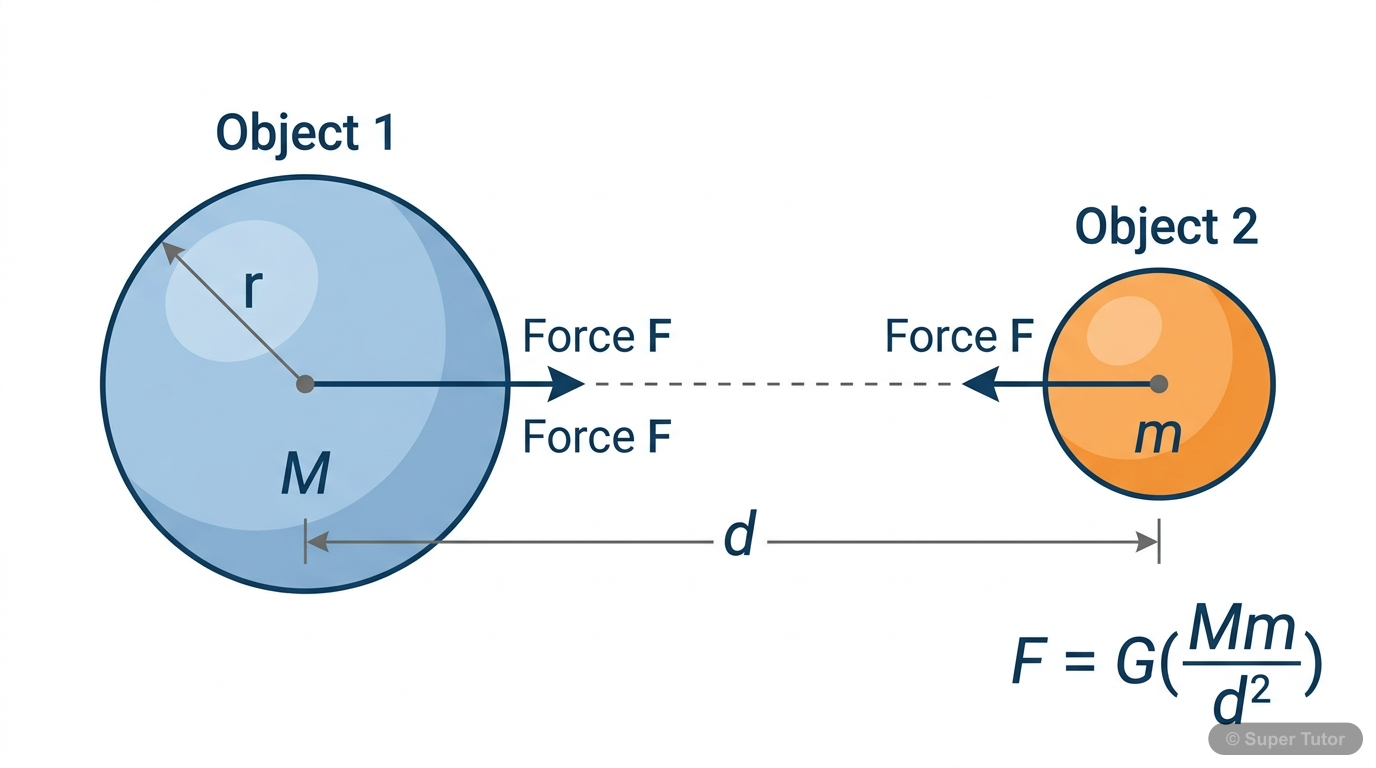
Learn better with visuals Super Tutor pairs illustrations like this with notes and quizzes for Atomic Foundations of Matter.
Quick Quiz: Atomic Foundations of Matter
0/4Tap an answer to check it instantly. No sign-up needed for these 4.
A sample of 9 g of purified water is decomposed. How much hydrogen and oxygen are obtained together, and what is the mass ratio of hydrogen to oxygen?
A reaction produces 2.4 g of carbon and enough oxygen to form carbon dioxide. Using the given mass relation, how much carbon dioxide is formed?
In the formation of sodium chloride, 46 g sodium reacts completely. How much chlorine is needed?
A closed container has 4.0 g calcium carbonate and 2.92 g hydrochloric acid. After reaction, 1.76 g carbon dioxide, 0.72 g water and 4.44 g calcium chloride are formed. What is the total mass of products?
Sample Questions
In a closed reaction, 4.0 g calcium carbonate reacts with 2.92 g hydrochloric acid. What is the total mass of reactants?
Show answer
6.92 g
Add the reactant masses: 4.0 g + 2.92 g = 6.92 g.
A reaction gives 1.76 g carbon dioxide, 0.72 g water and 4.44 g calcium chloride. What is the difference between total product mass and total reactant mass if the reactants weighed 6.92 g?
Show answer
0 g
Total products = 1.76 + 0.72 + 4.44 = 6.92 g. Total reactants = 6.92 g. The difference is 0 g.
Water is decomposed into hydrogen and oxygen. If 18 g water is decomposed, how much oxygen is obtained?
Show answer
16 g
From 9 g water, 1 g hydrogen and 8 g oxygen are obtained. Doubling to 18 g water gives 2 g hydrogen and 16 g oxygen.
If 24 g carbon reacts completely with oxygen, how much carbon dioxide is formed?
Show answer
88 g
From 12 g carbon, 44 g carbon dioxide is formed. 24 g carbon is double 12 g, so carbon dioxide is double 44 g, which is 88 g.
+79 more questions on Atomic Foundations of Matter (CBSE Class 9 Science)
Practise AllFrequently Asked Questions
What are the important topics in Atomic Foundations of Matter for CBSE Class 9 Science?
How many practice questions are there for Atomic Foundations of Matter?
Sources & Official References
- NCERT Official — ncert.nic.in
- CBSE Academic — cbseacademic.nic.in
- CBSE Official — cbse.gov.in
- National Education Policy 2020 — education.gov.in
Content is aligned to the official syllabus. Refer to the board website for the latest curriculum.
More resources for Atomic Foundations of Matter
Important Questions
Exam-style questions with answers
Revision Notes
Key points for last-minute revision
Formula Sheet
The chapter's formulas in one place
Chapter Summary
Understand the chapter at a glance
Concept Maps
See how topics connect
Study Plan
Step-by-step plan for this chapter
Flashcards
Quick-fire cards for active recall
Syllabus
What topics to cover
NCERT Solutions
Every textbook question solved step by step
For serious students
Get the full Atomic Foundations of Matter chapter — start free.
Quizzes, flashcards, an AI doubt solver and a study plan for CBSE Class 9 Science. Free to start, no card needed.