Atomic Foundations of Matter — Syllabus
CBSE · Class 9 · Science
What Atomic Foundations of Matter covers in CBSE Class 9 Science: 4 topics, for the 2026-27 session. Part of the CBSE Class 9 Science syllabus.
Interactive on Super Tutor
Studying Atomic Foundations of Matter? Get the full interactive chapter.
Quizzes, flashcards, AI doubt-solver and a step-by-step study plan — built for syllabus and more.
Free trial, no card needed.
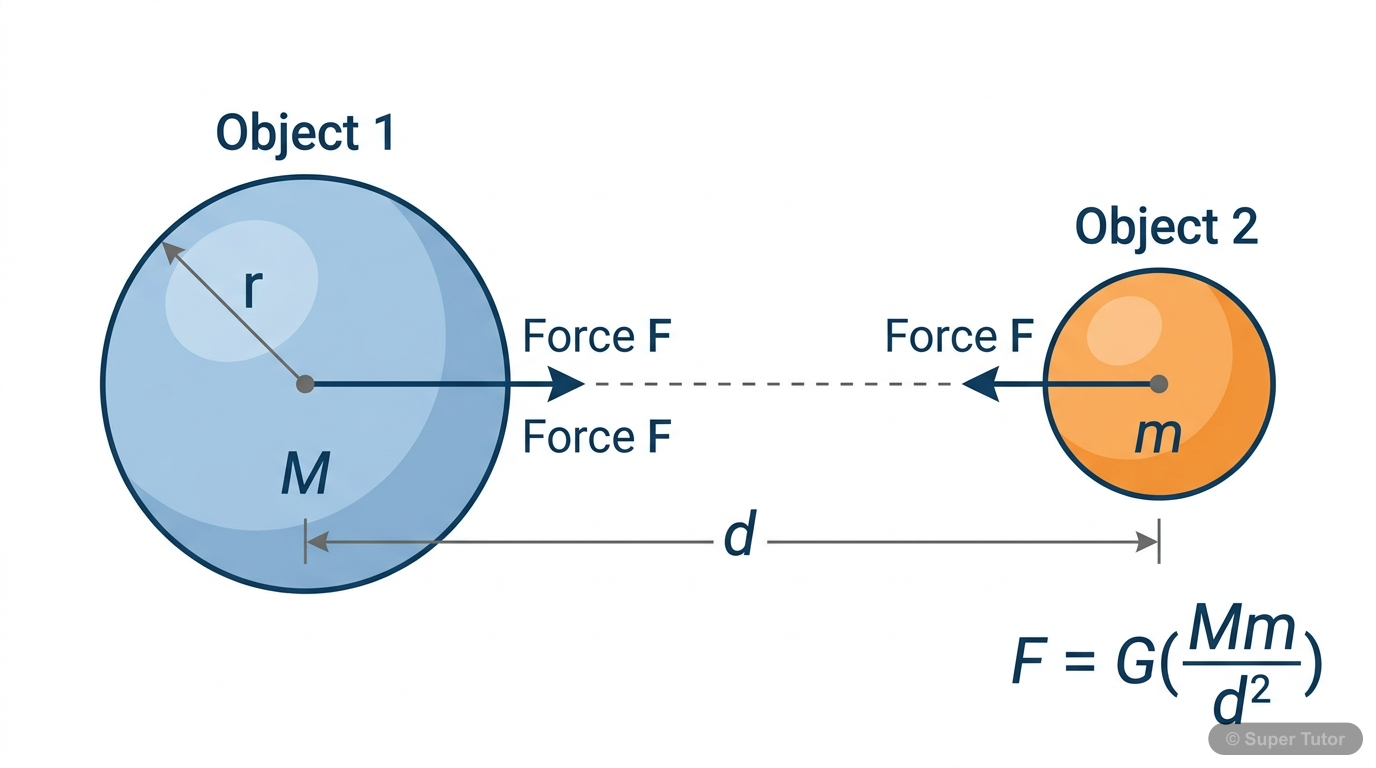
Learn better with visuals Super Tutor pairs illustrations like this with notes and quizzes for Atomic Foundations of Matter.
Topics in Atomic Foundations of Matter
1. Laws of Chemical Combination
- Mass is conserved in every chemical reaction; matter is neither created nor destroyed.
- In one experiment, gas escaping from the system causes the final mass reading to appear lower.
- When the reaction is carried out in a closed system, the initial and final masses are equal.
2. Dalton's Atomic Theory
- John Dalton moved to Manchester in 1793 to teach mathematics, physics and chemistry.
- Dalton presented his atomic theory in 1808.
- Atoms are the tiny particles of matter that take part in chemical reactions.
3. How Atoms Combine
- Atoms combine to form molecules or ionic crystals.
- Atoms with 8 electrons in the valence shell, or 2 if K-shell is outermost, are stable.
- Atoms may share electrons or transfer electrons to become stable.
4. Naming and Writing Formulae
- In naming ionic compounds, the name of the cation is written first, followed by the name of the anion.
- Simple anions end with -ide.
- Polyatomic ions do not usually end in -ide.
Key Concepts
Central concept: Atoms combine and rearrange according to fixed laws to form molecules, ionic compounds, and stable substances
Work through every topic in Atomic Foundations of Matter with notes and quizzes
Start This ChapterFrequently Asked Questions
What are the important topics in Atomic Foundations of Matter for CBSE Class 9 Science?
How should I revise Atomic Foundations of Matter for Class 9 exams?
Sources & Official References
- NCERT Official — ncert.nic.in
- CBSE Academic — cbseacademic.nic.in
- CBSE Official — cbse.gov.in
- National Education Policy 2020 — education.gov.in
Content is aligned to the official syllabus. Refer to the board website for the latest curriculum.
More resources for Atomic Foundations of Matter
Practice Quiz
Test yourself with a quick quiz
Important Questions
Exam-style questions with answers
Revision Notes
Key points for last-minute revision
Formula Sheet
The chapter's formulas in one place
Chapter Summary
Understand the chapter at a glance
Concept Maps
See how topics connect
Study Plan
Step-by-step plan for this chapter
Flashcards
Quick-fire cards for active recall
NCERT Solutions
Every textbook question solved step by step
For serious students
Get the full Atomic Foundations of Matter chapter — start free.
Quizzes, flashcards, an AI doubt solver and a study plan for CBSE Class 9 Science. Free to start, no card needed.