Atomic Foundations of Matter — Chapter Summary
CBSE · Class 9 · Science
Summary of Atomic Foundations of Matter for CBSE Class 9 Science. Part of the CBSE Class 9 Science syllabus. Matter obeys two important ideas about mass.
Interactive on Super Tutor
Studying Atomic Foundations of Matter? Get the full interactive chapter.
Quizzes, flashcards, AI doubt-solver and a step-by-step study plan — built for chapter summary and more.
Free trial, no card needed.
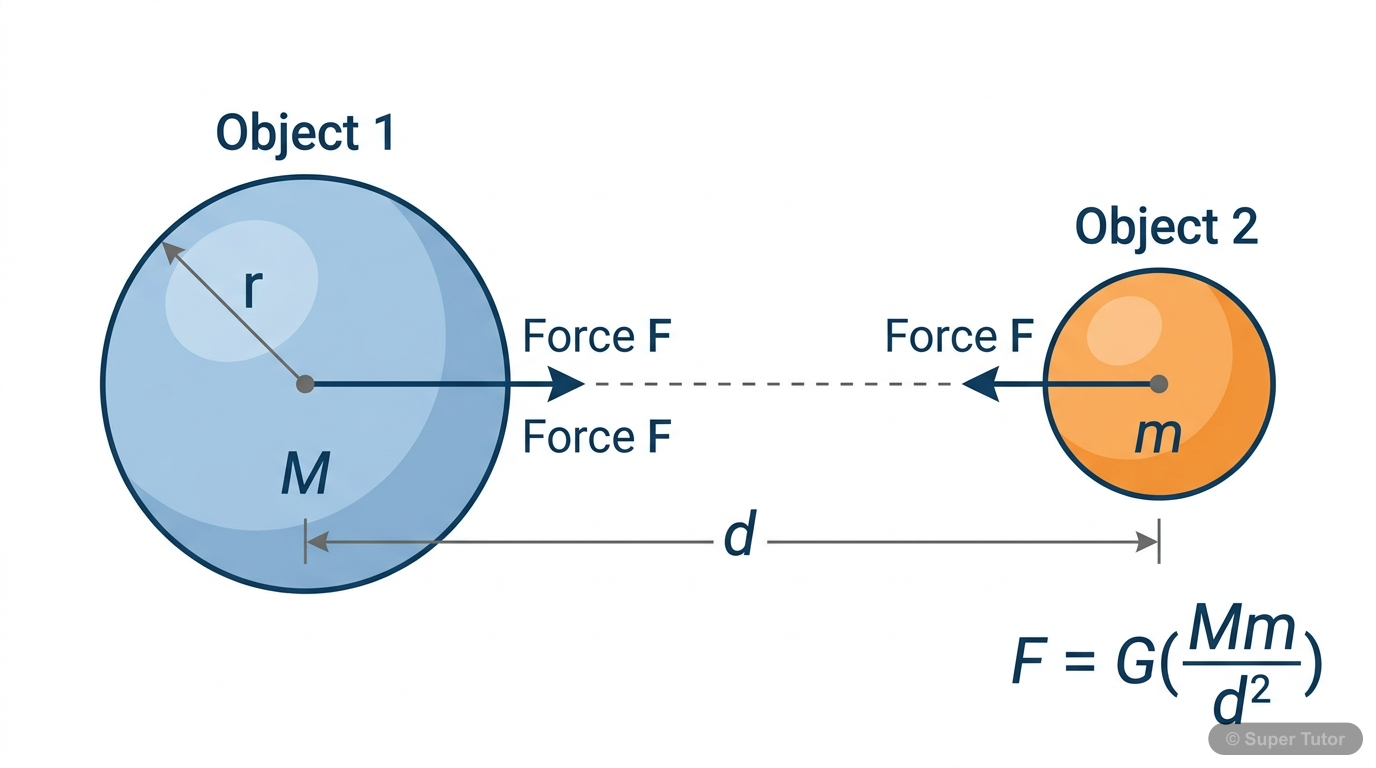
Learn better with visuals Super Tutor pairs illustrations like this with notes and quizzes for Atomic Foundations of Matter.
Overview
Matter obeys two important ideas about mass and composition. Mass is conserved in a chemical reaction, so the total mass of reactants equals the total mass of products. A compound also has fixed elements in a fixed mass ratio, no matter where it comes from or how it is prepared. These ideas led to a
Key Concepts
Matter can neither be created nor
Matter can neither be created nor destroyed in a chemical reaction. The total mass of reactants is equal to the total mass of products. In a closed sy
A compound always contains the same
A compound always contains the same elements in the same fixed ratio by mass, no matter its source. Water always contains hydrogen and oxygen in the m
John Dalton proposed that all matter
John Dalton proposed that all matter is made of tiny atoms, atoms cannot be created or destroyed in chemical reactions, atoms of one element are alike
An atom is the smallest unit
An atom is the smallest unit of an element that takes part in chemical reactions. A molecule is an electrically neutral entity of more than one atom t
A covalent bond is formed when
A covalent bond is formed when atoms share one or more pairs of electrons. Hydrogen molecule has a single covalent bond, oxygen molecule has a double
Learning Objectives
- Understand the Law of Conservation of Mass.
- Understand the Law of Constant Proportions or Definite Proportions.
- Explain the main postulates of Dalton's Atomic Theory.
- Distinguish between atoms, molecules, and ions.
- Differentiate covalent bonding and ionic bonding.
Frequently Asked Questions
What are the important topics in Atomic Foundations of Matter for CBSE Class 9 Science?
How should I revise Atomic Foundations of Matter for Class 9 exams?
Sources & Official References
- NCERT Official — ncert.nic.in
- CBSE Academic — cbseacademic.nic.in
- CBSE Official — cbse.gov.in
- National Education Policy 2020 — education.gov.in
Content is aligned to the official syllabus. Refer to the board website for the latest curriculum.
More resources for Atomic Foundations of Matter
Practice Quiz
Test yourself with a quick quiz
Important Questions
Exam-style questions with answers
Revision Notes
Key points for last-minute revision
Formula Sheet
The chapter's formulas in one place
Concept Maps
See how topics connect
Study Plan
Step-by-step plan for this chapter
Flashcards
Quick-fire cards for active recall
Syllabus
What topics to cover
NCERT Solutions
Every textbook question solved step by step
For serious students
Get the full Atomic Foundations of Matter chapter — start free.
Quizzes, flashcards, an AI doubt solver and a study plan for CBSE Class 9 Science. Free to start, no card needed.