Measurements and Experimentation — Syllabus
ICSE · Class 9 · Physics
What Measurements and Experimentation covers in ICSE Class 9 Physics: 4 topics, for the 2026-27 session. Part of the ICSE Class 9 Physics syllabus.
Interactive on Super Tutor
Studying Measurements and Experimentation? Get the full interactive chapter.
Quizzes, flashcards, AI doubt-solver and a step-by-step study plan — built for syllabus and more.
Free trial, no card needed.
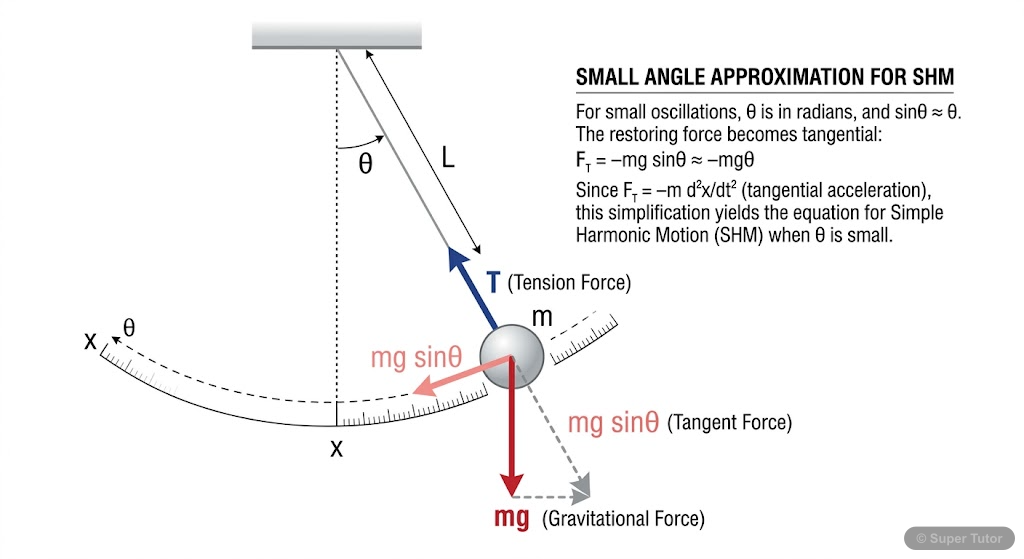
One of 21 illustrations for Measurements and Experimentation in Super Tutor — alongside flashcards, concept maps and practice questions.
Topics in Measurements and Experimentation
1. Systems of Units and S.I. Units
- Measurement means comparison of a physical quantity with a known standard of the same nature.
- A unit is a constant quantity used to measure other quantities of the same nature.
- The result of measurement is written as physical quantity = numerical value × unit.
2. Units of Length, Mass and Time
- The S.I. unit of length is metre (m).
- The metre was originally defined using a platinum-iridium rod, later using Krypton-86, and finally using the speed of light.
- The least count of a metre rule is 1 mm or 0.1 cm.
3. Derived Units and Writing Units Correctly
- Area, volume, density, speed, acceleration, force, work, momentum, power, pressure, frequency, charge, potential difference, resistance, and electrical power are derived quantities.
- Some derived units have special names such as newton, joule, watt, pascal, hertz, coulomb, volt, and ohm.
- The full name of every unit is written in lowercase.
4. Least Count, Vernier Callipers and Zero Error
- The least count of an instrument is the smallest measurement that can be taken accurately with it.
- Smaller least count means more precise measurement.
- The least count of vernier is x/n, where x is one main scale division and n is the number of vernier divisions.
Key Concepts
Central concept: Measurement of physical quantities using standard units and precise instruments
Work through every topic in Measurements and Experimentation with notes and quizzes
Start This ChapterFrequently Asked Questions
What are the important topics in Measurements and Experimentation for ICSE Class 9 Physics?
How should I revise Measurements and Experimentation for Class 9 exams?
Sources & Official References
Content is aligned to the official syllabus. Refer to the board website for the latest curriculum.
More resources for Measurements and Experimentation
Practice Quiz
Test yourself with a quick quiz
Important Questions
Exam-style questions with answers
Revision Notes
Key points for last-minute revision
Formula Sheet
The chapter's formulas in one place
Chapter Summary
Understand the chapter at a glance
Concept Maps
See how topics connect
Study Plan
Step-by-step plan for this chapter
Flashcards
Quick-fire cards for active recall
For serious students
Get the full Measurements and Experimentation chapter — start free.
Quizzes, flashcards, an AI doubt solver and a study plan for ICSE Class 9 Physics. Free to start, no card needed.