Bricks, Beads and Bones (The Harappan Civilization) — Syllabus
Madhya Pradesh Board · Class 12 · History
What Bricks, Beads and Bones (The Harappan Civilization) covers in Madhya Pradesh Board Class 12 History: 4 topics, for the 2026-27 session.
Interactive on Super Tutor
Studying Bricks, Beads and Bones (The Harappan Civilization)? Get the full interactive chapter.
Quizzes, flashcards, AI doubt-solver and a step-by-step study plan — built for syllabus and more.
Free trial, no card needed.
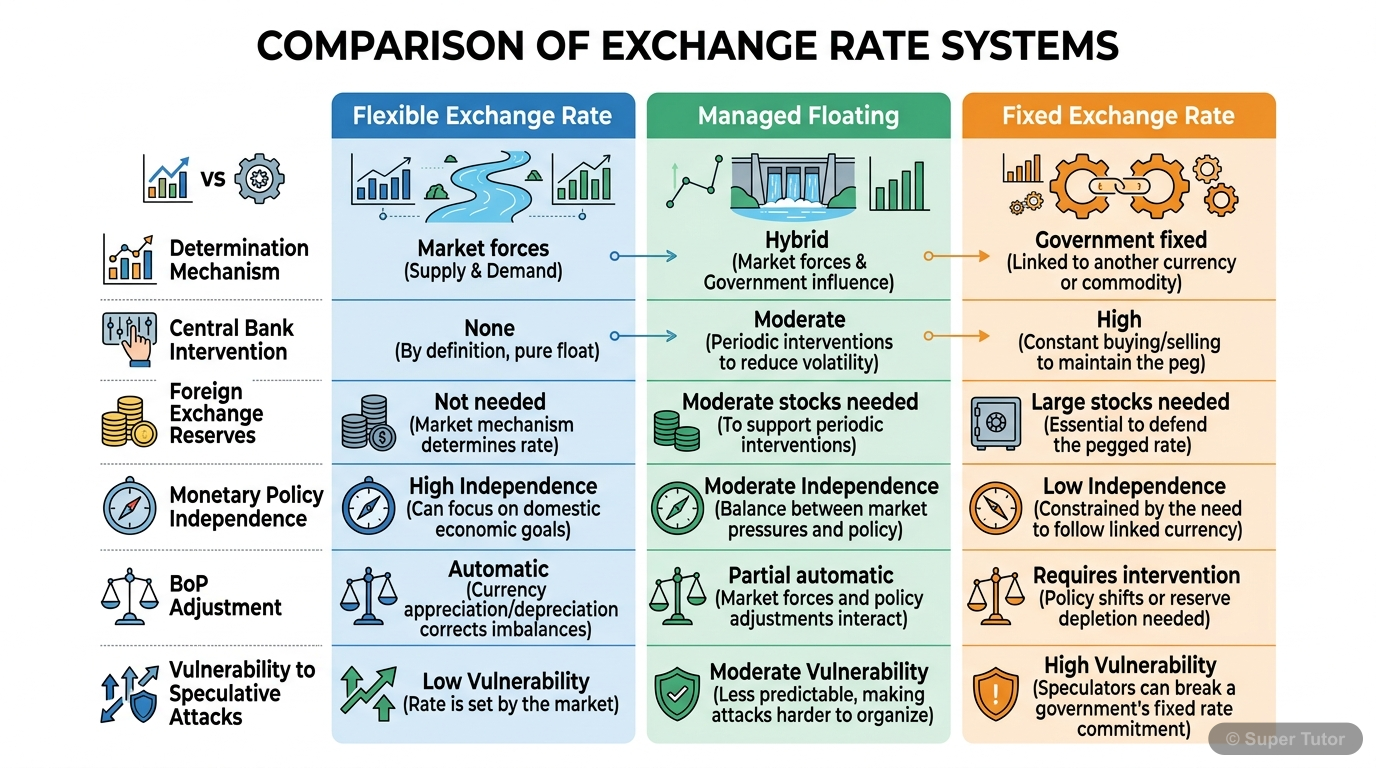
One of 14 illustrations for Bricks, Beads and Bones (The Harappan Civilization) in Super Tutor — alongside flashcards, concept maps and practice questions.
Topics in Bricks, Beads and Bones (The Harappan Civilization)
1. Time span, phases, and settlements
- The total time span of the Harappan civilization ranges from 6000 BCE to 1300 BCE.
- Early Harappan is the formative phase, from 6000 BCE to 2600 BCE.
- Mature Harappan is the urban and most prosperous phase, from 2600 BCE to 1900 BCE.
2. Archaeological discovery and interpretation
- Archaeology depends on material remains such as houses, pots, ornaments, tools, seals, drains, and burials.
- Alexander Cunningham was the first Director-General of the ASI and is often called the father of Indian archaeology.
- Cunningham focused on Early Historic and later periods and missed the significance of the Harappan seal given to him.
3. Urban planning, bricks, drains, and houses
- Harappan cities show careful planning in streets, houses, drains, and platforms.
- At Mohenjodaro, the Citadel owed its height to buildings constructed on mud brick platforms.
- The Lower Town was also walled and had buildings on platforms.
4. Social differences, burials, and luxury goods
- Archaeologists study burials and artefacts to understand social and economic differences.
- Harappans generally did not bury precious things with the dead.
- Burials were usually in pits, though some burial pits were lined with bricks.
Key Concepts
Central concept: Harappan Civilization as reconstructed through archaeology, settlement patterns, material remains, craft production, trade, script, social organisation, and changing interpretations
Work through every topic in Bricks, Beads and Bones (The Harappan Civilization) with notes and quizzes
Start This ChapterFrequently Asked Questions
What are the important topics in Bricks, Beads and Bones (The Harappan Civilization) for Madhya Pradesh Board Class 12 History?
How should I revise Bricks, Beads and Bones (The Harappan Civilization) for the Madhya Pradesh Board Class 12 board exam?
Sources & Official References
Content is aligned to the official syllabus. Refer to the board website for the latest curriculum.
More resources for Bricks, Beads and Bones (The Harappan Civilization)
Practice Quiz
Test yourself with a quick quiz
Important Questions
Exam-style questions with answers
Revision Notes
Key points for last-minute revision
Chapter Summary
Understand the chapter at a glance
Concept Maps
See how topics connect
Study Plan
Step-by-step plan for this chapter
Flashcards
Quick-fire cards for active recall
NCERT Solutions
Every textbook question solved step by step
For serious students
Get the full Bricks, Beads and Bones (The Harappan Civilization) chapter — start free.
Quizzes, flashcards, an AI doubt solver and a study plan for Madhya Pradesh Board Class 12 History. Free to start, no card needed.