Bricks, Beads and Bones (The Harappan Civilization) — Study Plan
Madhya Pradesh Board · Class 12 · History
A step-by-step study plan for Bricks, Beads and Bones (The Harappan Civilization), Madhya Pradesh Board Class 12 History: what to learn first, what.
Interactive on Super Tutor
Studying Bricks, Beads and Bones (The Harappan Civilization)? Get the full interactive chapter.
Quizzes, flashcards, AI doubt-solver and a step-by-step study plan — built for study plan and more.
Free trial, no card needed.
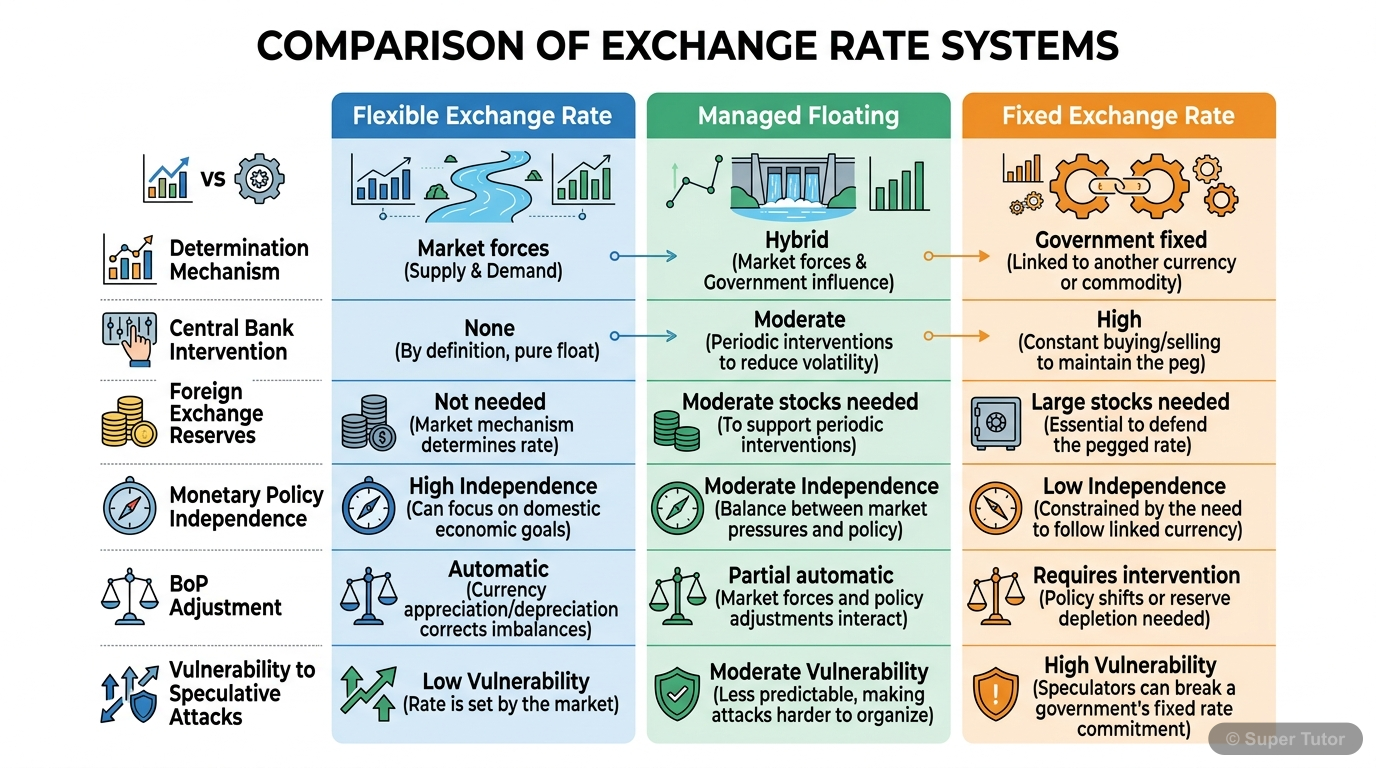
One of 14 illustrations for Bricks, Beads and Bones (The Harappan Civilization) in Super Tutor — alongside flashcards, concept maps and practice questions.
Study Plan
Learn the Theory
Read the textbook chapter carefully. Note down definitions, formulas and key ideas. Focus on: 1. Time span, phases, and settlements, 2. Archaeological discovery and interpretation, 3. Urban planning, bricks, drains, and houses.
Practise
Solve the textbook exercises and extra practice questions. There are 37 questions available for this chapter.
Revise & Test
Revise key points without looking at your notes. Take a practice quiz and mark weak areas for another pass.
Spaced Revision
Come back to Bricks, Beads and Bones (The Harappan Civilization) after a week. Use flashcards for quick recall and try past exam questions on this chapter.
What to Focus On
- Harappan Civilization: 6000 BCE to 1300 BCE
- Early Harappan: 6000 BCE to 2600 BCE
- Mature Harappan: 2600 BCE to 1900 BCE
- Main crops: wheat, barley, lentil, chickpea, sesame
- Millets are found in Gujarat sites
- Rice is relatively rare
- Mohenjodaro is best-known and best-preserved
- City divided into Citadel and Lower Town
- Both parts were walled
Common Mistakes to Avoid
Harappa was the best-preserved Harappan site because it was the first one discovered.
Marshall used the correct excavation method by digging horizontally and that is why the Harappan civilisation was identified quickly.
The priest-king proves that Harappan society had kings and a clear palace-based monarchy.
Memory Tips
Harappan civilisation time span and phases
More than 2000 Harappan sites and two-thirds in the Saraswati basin
Five major Harappan cities
Harappa discovered first but badly destroyed by brick robbers
Want a personalised study plan?
Super Tutor builds a day-by-day plan for Madhya Pradesh Board Class 12 History that fits your exam date and pace.
Create My Study PlanFrequently Asked Questions
What are the important topics in Bricks, Beads and Bones (The Harappan Civilization) for Madhya Pradesh Board Class 12 History?
How should I revise Bricks, Beads and Bones (The Harappan Civilization) for the Madhya Pradesh Board Class 12 board exam?
Sources & Official References
Content is aligned to the official syllabus. Refer to the board website for the latest curriculum.
More resources for Bricks, Beads and Bones (The Harappan Civilization)
Practice Quiz
Test yourself with a quick quiz
Important Questions
Exam-style questions with answers
Revision Notes
Key points for last-minute revision
Chapter Summary
Understand the chapter at a glance
Concept Maps
See how topics connect
Flashcards
Quick-fire cards for active recall
Syllabus
What topics to cover
NCERT Solutions
Every textbook question solved step by step
For serious students
Get the full Bricks, Beads and Bones (The Harappan Civilization) chapter — start free.
Quizzes, flashcards, an AI doubt solver and a study plan for Madhya Pradesh Board Class 12 History. Free to start, no card needed.