Reproduction : How Life Continues — Chapter Summary
CBSE · Class 9 · Science
Summary of Reproduction : How Life Continues for CBSE Class 9 Science. Part of the CBSE Class 9 Science syllabus.
Interactive on Super Tutor
Studying Reproduction : How Life Continues? Get the full interactive chapter.
Quizzes, flashcards, AI doubt-solver and a step-by-step study plan — built for chapter summary and more.
Free trial, no card needed.
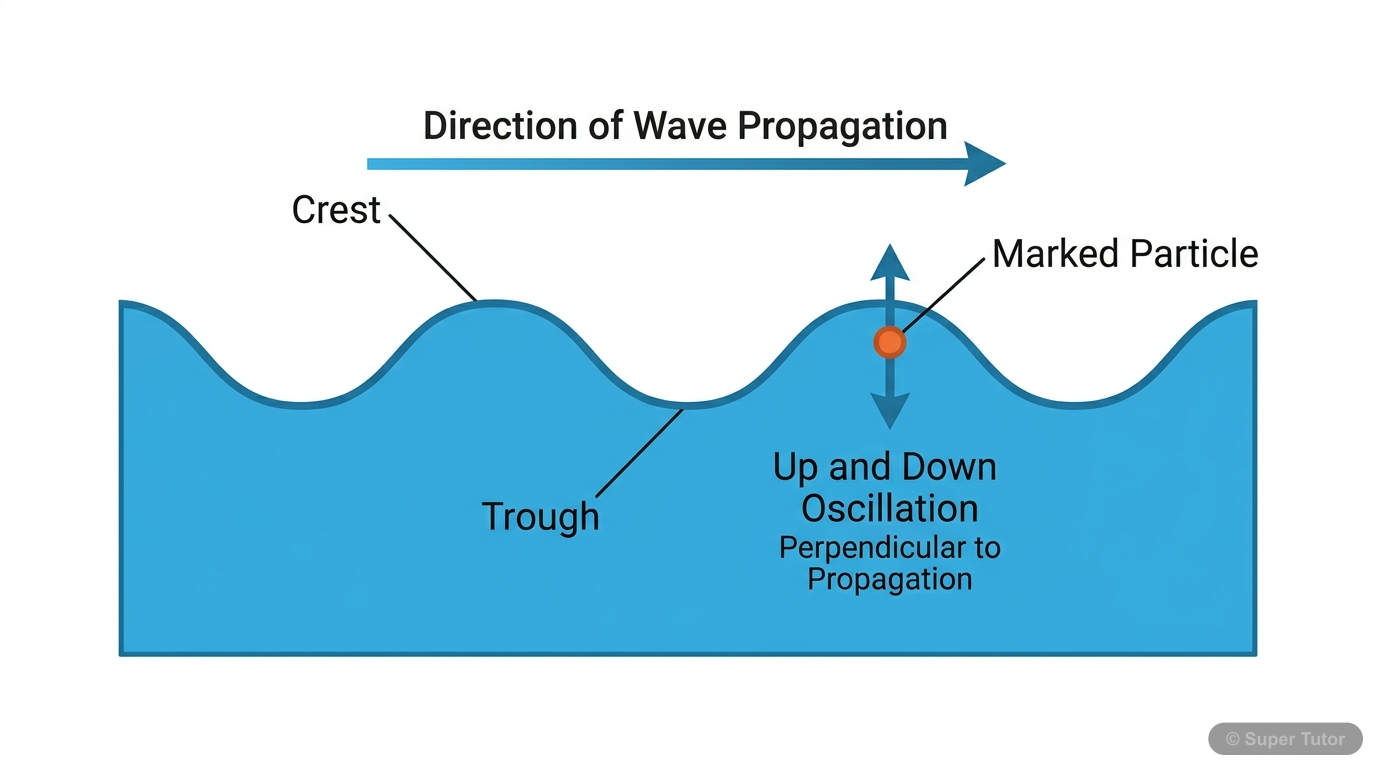
One of 2 illustrations for Reproduction : How Life Continues in Super Tutor — alongside flashcards, concept maps and practice questions.
Overview
Reproduction is the biological process by which living beings produce new individuals of their own kind. It ensures the continuation of life on Earth. Living organisms reproduce in two main ways: asexual reproduction and sexual reproduction. Asexual reproduction involves one parent and produces gene
Key Concepts
Reproduction is the process by
Reproduction is the process by which living beings produce new individuals of their own kind. It allows life to continue from one generation to the ne
Asexual reproduction involves only one parent
Asexual reproduction involves only one parent and produces genetically identical individuals. It is fast and common in organisms such as yeast, hydra
Vegetative propagation is a type
Vegetative propagation is a type of asexual reproduction in plants where new plants arise from vegetative parts such as stems, leaves or roots. Potato
In hydra
In hydra, repeated cell division at a specific site produces a small outgrowth called a bud. The bud enlarges and separates to live independently. Yea
Fungi such as Rhizopus and Aspergillus
Fungi such as Rhizopus and Aspergillus reproduce by spores. Spores are produced in huge numbers, are lightweight and usually single-celled, so they sp
Learning Objectives
- Understand the meaning and importance of reproduction in living organisms.
- Differentiate between asexual and sexual reproduction.
- Describe vegetative propagation, budding, spore formation and tissue culture.
- Explain how meiosis helps maintain chromosome number in sexual reproduction.
- Identify the parts of a flower and explain pollination and fertilisation.
Frequently Asked Questions
What are the important topics in Reproduction : How Life Continues for CBSE Class 9 Science?
How should I revise Reproduction : How Life Continues for Class 9 exams?
Sources & Official References
- NCERT Official — ncert.nic.in
- CBSE Academic — cbseacademic.nic.in
- CBSE Official — cbse.gov.in
- National Education Policy 2020 — education.gov.in
Content is aligned to the official syllabus. Refer to the board website for the latest curriculum.
More resources for Reproduction : How Life Continues
Practice Quiz
Test yourself with a quick quiz
Important Questions
Exam-style questions with answers
Revision Notes
Key points for last-minute revision
Concept Maps
See how topics connect
Study Plan
Step-by-step plan for this chapter
Flashcards
Quick-fire cards for active recall
Syllabus
What topics to cover
NCERT Solutions
Every textbook question solved step by step
For serious students
Get the full Reproduction : How Life Continues chapter — start free.
Quizzes, flashcards, an AI doubt solver and a study plan for CBSE Class 9 Science. Free to start, no card needed.