Elections — Chapter Summary
ICSE · Class 9 · History & Civics
Summary of Elections for ICSE Class 9 History & Civics. Key concepts: An election is a procedure, In direct elections and In indirect elections.
Interactive on Super Tutor
Studying Elections? Get the full interactive chapter.
Quizzes, flashcards, AI doubt-solver and a step-by-step study plan — built for chapter summary and more.
Free trial, no card needed.
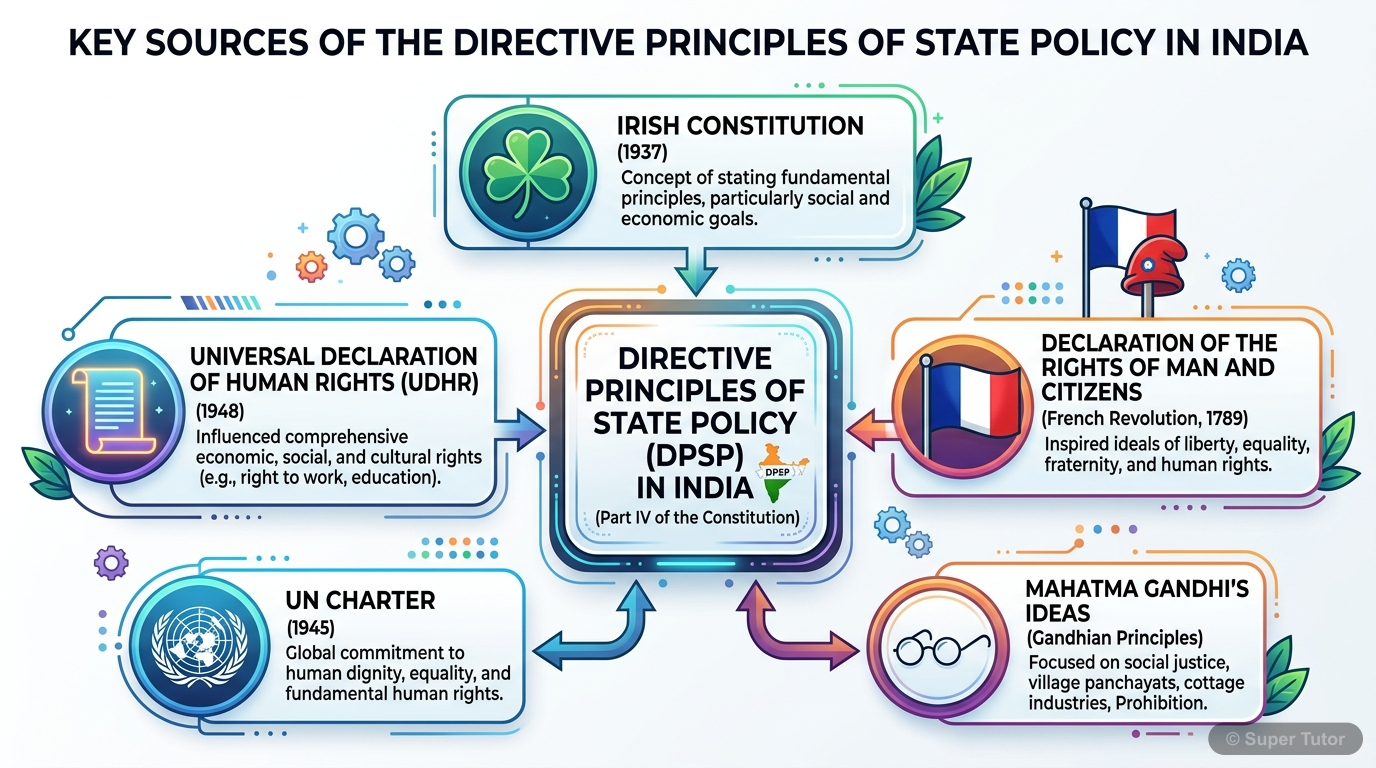
Learn better with visuals Super Tutor pairs illustrations like this with notes and quizzes for Elections.
Overview
Elections are the main way people choose representatives in a democracy. They allow citizens to take part in government directly or through elected representatives. In India, elections are conducted for the Lok Sabha, State Legislative Assemblies, Rajya Sabha, the President, and the Vice-President.
Key Concepts
An election is a procedure whereby
An election is a procedure whereby persons are chosen, by voting, to represent the voters for running the government. Elections create a contest betwe
In direct elections
In direct elections, people vote directly for their representatives. The Lok Sabha and State Legislative Assemblies are elected this way. MLAs and MPs
In indirect elections
In indirect elections, representatives are elected by elected members rather than by all citizens. Rajya Sabha, Vidhan Parishad, the President of Indi
Rajya Sabha is the permanent upper
Rajya Sabha is the permanent upper house at the Union level and has not more than 250 members. Vidhan Parishad is the upper house in some States. Memb
The President is elected indirectly by
The President is elected indirectly by an Electoral College made up of elected members of both Houses of Parliament and elected members of State Legis
Learning Objectives
- Understand the meaning of elections in a democracy
- Distinguish between direct and indirect elections
- Identify the difference between general election, mid-term election, and by-election
- Describe the composition and role of the Election Commission
- Explain the main powers and functions of the Election Commission
Frequently Asked Questions
What are the important topics in Elections for ICSE Class 9 History & Civics?
How should I revise Elections for Class 9 exams?
Sources & Official References
Content is aligned to the official syllabus. Refer to the board website for the latest curriculum.
More resources for Elections
For serious students
Get the full Elections chapter — start free.
Quizzes, flashcards, an AI doubt solver and a study plan for ICSE Class 9 History & Civics. Free to start, no card needed.