Elections — Flashcards
ICSE · Class 9 · History & Civics
34 flashcards for Elections (ICSE Class 9 History & Civics) to test yourself on key terms and facts. Sample: "What is an election?" Covers Key Terms.
Interactive on Super Tutor
Studying Elections? Get the full interactive chapter.
Quizzes, flashcards, AI doubt-solver and a step-by-step study plan — built for flashcards and more.
Free trial, no card needed.
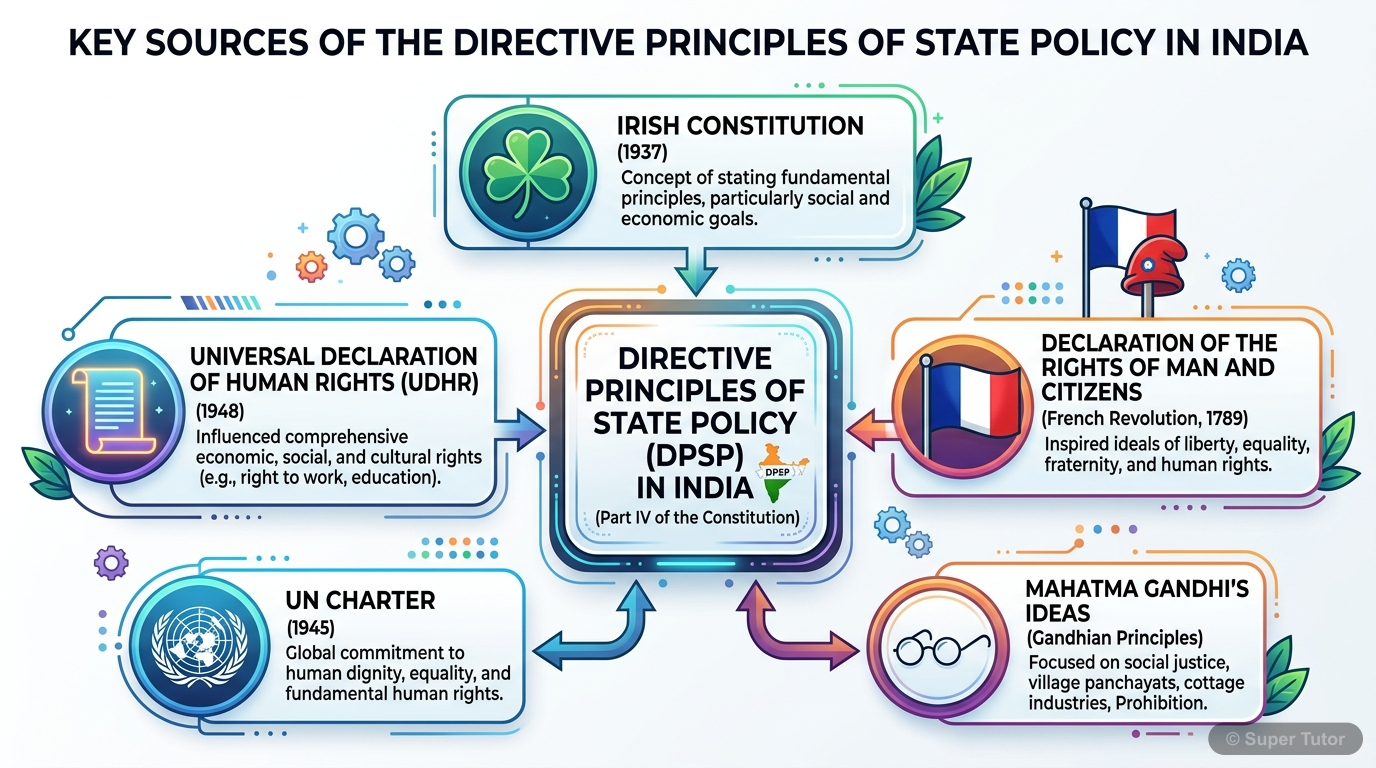
Learn better with visuals Super Tutor pairs illustrations like this with notes and quizzes for Elections.
What is an election?
Answer
Election is a procedure whereby persons are chosen, by voting, to represent the voters for running the government. In a democracy, elections help people choose their representatives for public decisio…
Why are elections important in a democracy?
Answer
Elections allow citizens to choose representatives and change the government in a peaceful way. They make government accountable to the people and give people a say in how power is used.
What is a political party?
Answer
A political party is a group of people holding similar views or beliefs. In elections, parties contest seats and the party or combination of parties with the largest number of votes forms the governme…
Direct elections: what does this term mean?
Answer
In direct elections, people vote directly to elect their representatives. Examples are the election of members of the Lok Sabha and the State Legislative Assemblies.
Indirect elections: what does this term mean?
Answer
In indirect elections, people do not vote directly for the final office-holder. Instead, elected representatives choose the person. Examples are elections to the Rajya Sabha, the President of India, t…
Which bodies are elected by direct election in India?
Answer
The Lok Sabha and the State Legislative Assemblies are elected directly by the people. This means ordinary voters cast their votes for candidates contesting these bodies.
Which body is called the House of the People?
Answer
The Lok Sabha is called the House of the People. Its members are directly elected by the people of India.
Which body is called the Council of States?
Answer
The Rajya Sabha is called the Council of States. It is the permanent upper house at the Union level and has not more than 250 members.
+26 more flashcards
Practise AllFrequently Asked Questions
What are the important topics in Elections for ICSE Class 9 History & Civics?
How many flashcards are available for Elections?
How should I revise Elections for Class 9 exams?
Sources & Official References
Content is aligned to the official syllabus. Refer to the board website for the latest curriculum.
More resources for Elections
Practice Quiz
Test yourself with a quick quiz
Important Questions
Exam-style questions with answers
Revision Notes
Key points for last-minute revision
Chapter Summary
Understand the chapter at a glance
Concept Maps
See how topics connect
Study Plan
Step-by-step plan for this chapter
Syllabus
What topics to cover
For serious students
Get the full Elections chapter — start free.
Quizzes, flashcards, an AI doubt solver and a study plan for ICSE Class 9 History & Civics. Free to start, no card needed.