Natural Environment — Chapter Summary
NIOS · Class 10 · Science & Tech
Summary of Natural Environment for NIOS Class 10 Science & Tech. Part of the NIOS Class 10 Science & Tech syllabus.
Interactive on Super Tutor
Studying Natural Environment? Get the full interactive chapter.
Quizzes, flashcards, AI doubt-solver and a step-by-step study plan — built for chapter summary and more.
Free trial, no card needed.
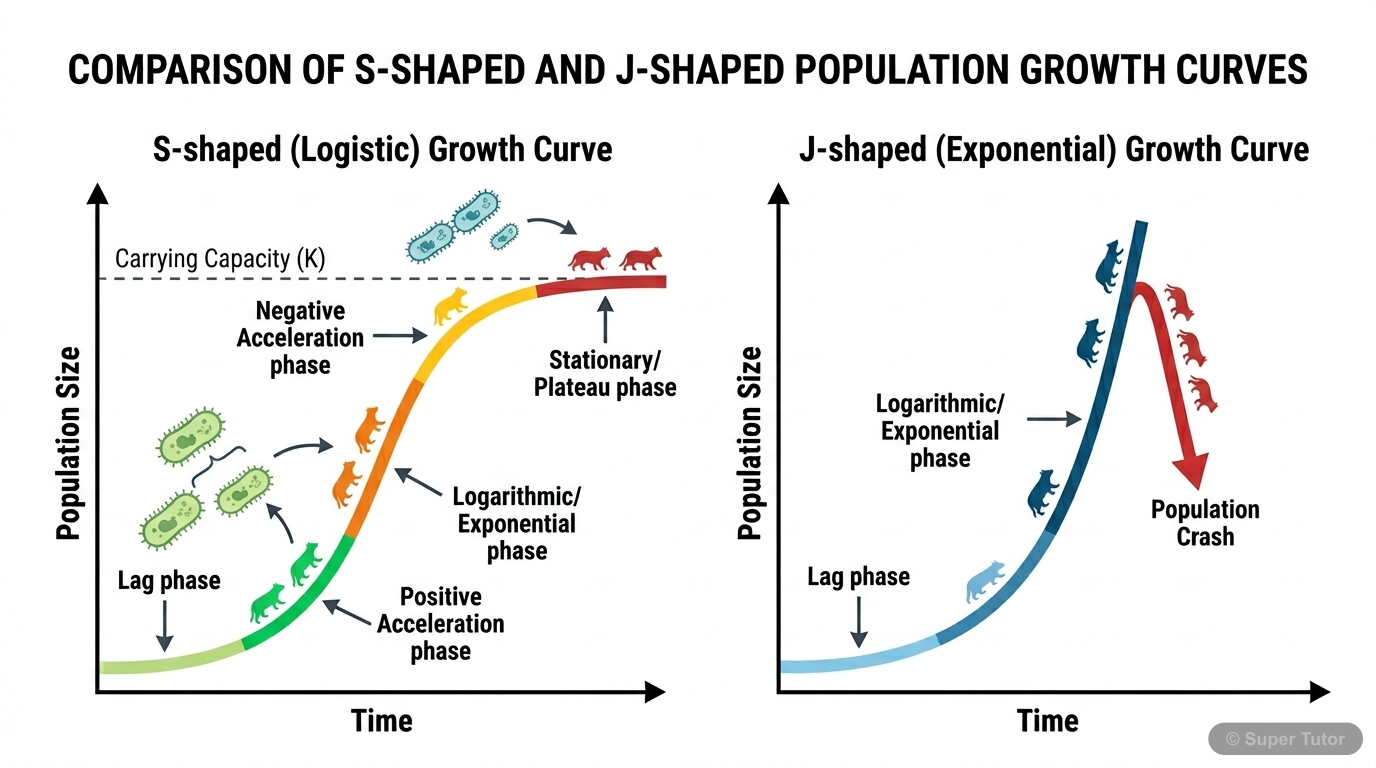
Learn better with visuals Super Tutor pairs illustrations like this with notes and quizzes for Natural Environment.
Overview
Natural environment includes all living and non-living things that occur naturally on Earth. An ecosystem is a biological environment consisting of all organisms in a particular area and the non-living physical components with which they interact. Ecosystems may be natural or human-designed. Energy
Key Concepts
An ecosystem is a biological environment
An ecosystem is a biological environment consisting of all organisms living in a particular area, along with the non-living physical components with w
Abiotic components are the non
Abiotic components are the non-living physical and chemical factors such as sunlight, temperature, water, soil, and air. Biotic components are living
Autotrophs are producers that make their
Autotrophs are producers that make their own food by photosynthesis or chemosynthesis. In terrestrial ecosystems, autotrophs are mainly rooted plants,
A food chain is a sequence
A food chain is a sequence of organisms through which food energy passes from one organism to another. In the example food chain, trees and shrubs occ
Energy flow in an ecosystem
Energy flow in an ecosystem is unidirectional. Energy passes from producers to consumers, but at each link some energy is lost as heat and used in lif
Learning Objectives
- Define ecosystem and identify its biotic and abiotic components
- Explain the roles of autotrophs, heterotrophs, and saprotrophs in a biotic community
- Describe food chains, food webs, trophic levels, and energy flow
- Explain the main steps of the nitrogen cycle and the idea of biogeochemical cycles
- Recognise adaptations in aquatic, desert, cold-climate, and aerial organisms
Frequently Asked Questions
What are the important topics in Natural Environment for NIOS Class 10 Science & Tech?
How should I revise Natural Environment for the NIOS Class 10 board exam?
Sources & Official References
Content is aligned to the official syllabus. Refer to the board website for the latest curriculum.
More resources for Natural Environment
For serious students
Get the full Natural Environment chapter — start free.
Quizzes, flashcards, an AI doubt solver and a study plan for NIOS Class 10 Science & Tech. Free to start, no card needed.