Sources of Energy — Flashcards
NIOS · Class 10 · Science & Tech
45 flashcards for Sources of Energy (NIOS Class 10 Science & Tech) to test yourself on key terms and facts. Sample: "What is energy?"
Interactive on Super Tutor
Studying Sources of Energy? Get the full interactive chapter.
Quizzes, flashcards, AI doubt-solver and a step-by-step study plan — built for flashcards and more.
Free trial, no card needed.
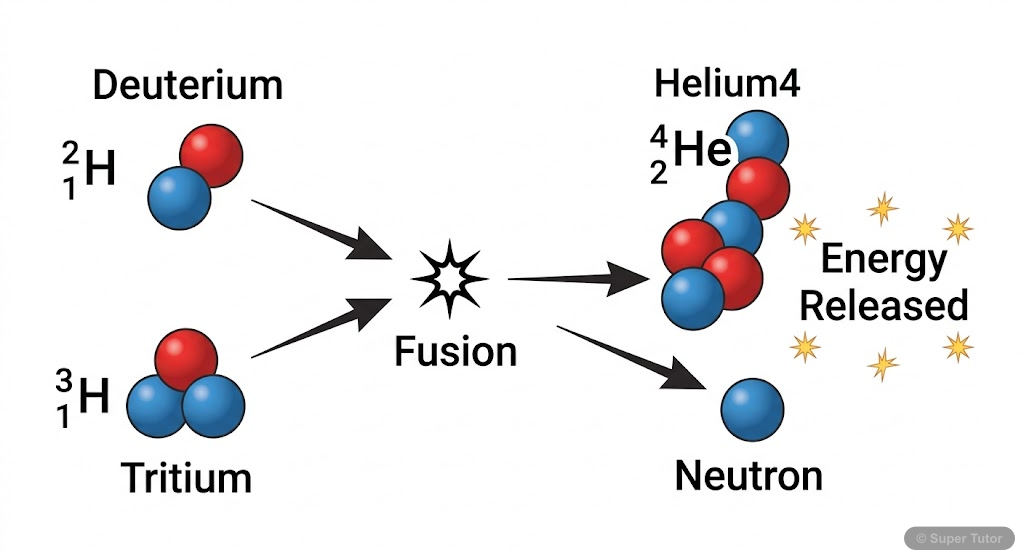
Learn better with visuals Super Tutor pairs illustrations like this with notes and quizzes for Sources of Energy.
What is energy?
Answer
Energy is the ability to do work. A body with energy is capable of doing work, such as moving a car, lighting a bulb, or making water flow turn a turbine.
What is a source of energy?
Answer
In simple terms, anything out of which usable energy can be extracted is a source of energy. Coal, sunlight, wind, water, biomass, and uranium are examples.
Why is the sun called the ultimate source of energy?
Answer
The sun is the ultimate source of energy for all living beings. Apart from nuclear energy, all other forms of energy result from solar energy. Plants store solar energy, and animals depend on plants d…
How is solar energy related to wind, rivers, and fossil fuels?
Answer
Solar heating causes air movement, which produces wind. The sun drives the water cycle, which keeps rivers flowing. Fossil fuels are also called bottled solar energy because they store energy original…
What are renewable and non-renewable sources of energy?
Answer
Renewable sources can be replenished in a short time. Non-renewable sources are limited and cannot be regenerated quickly. Water, wind, sunlight, geothermal, sea waves, hydrogen, and biomass are renew…
Why are fossil fuels called conventional sources of energy?
Answer
Coal, oil, and natural gas have been used for a long time to produce heat, light, and electricity. Because of this long and common use, they are called conventional sources of energy.
What are the three main fossil fuels?
Answer
The three main fossil fuels are coal, crude oil, and natural gas. They are non-renewable and formed from the remains of dead plants and animals buried under the Earth for millions of years.
Why are fossil fuels limited in supply?
Answer
Fossil fuels take millions of years to form, but they are being used very quickly. Coal reserves may last no longer than another 100 years, and oil and gas reserves may last another 30 to 35 years if …
+37 more flashcards
Practise AllFrequently Asked Questions
What are the important topics in Sources of Energy for NIOS Class 10 Science & Tech?
How many flashcards are available for Sources of Energy?
How should I revise Sources of Energy for the NIOS Class 10 board exam?
Sources & Official References
Content is aligned to the official syllabus. Refer to the board website for the latest curriculum.
More resources for Sources of Energy
Practice Quiz
Test yourself with a quick quiz
Important Questions
Exam-style questions with answers
Revision Notes
Key points for last-minute revision
Chapter Summary
Understand the chapter at a glance
Concept Maps
See how topics connect
Study Plan
Step-by-step plan for this chapter
Syllabus
What topics to cover
For serious students
Get the full Sources of Energy chapter — start free.
Quizzes, flashcards, an AI doubt solver and a study plan for NIOS Class 10 Science & Tech. Free to start, no card needed.